Three days is enough to fall in love with Tokyo — if you stop treating it as one city and plan it as three or four neighborhoods done properly. For an Indian couple, a 3-day Tokyo trip costs roughly ₹1.5–2.2 lakhs for two including return flights (about ₹60,000–85,000 on the ground for hotels, food, metro, and attractions — approximate, varies by season and booking window). This guide gives you the exact neighborhood-by-neighborhood plan: Shibuya and Shinjuku on day one, old-Tokyo Asakusa on day two, teamLab and Ginza on day three — with veg food picks near every stop.
Use it as a standalone city-break, or lift it straight into a longer trip as your Tokyo leg — it slots neatly in front of our 7-day Japan honeymoon itinerary, which continues to Hakone and Kyoto.
Before You Fly: Visa, Flights, and Connectivity
Visa: Indian passport holders need a tourist visa for Japan, and the application requires a day-by-day schedule of stays — you can copy the structure of this post into our sample Japan visa itinerary format. Processing typically takes 4–7 working days through VFS, so apply 3–4 weeks out.
Flights: Delhi has direct flights to Tokyo (Haneda/Narita) on Air India, ANA, and JAL — about 7.5–8.5 hours. From Mumbai, Bangalore, Hyderabad, or Chennai you'll usually take a one-stop routing via Singapore, Bangkok, Hong Kong, or Delhi (12–16 hours door to door). Return fares run roughly ₹40,000–75,000 per person depending on season (approximate; varies by airline and how early you book). Land at Haneda if you can choose — it's 30–40 minutes closer to the city than Narita.
Connectivity: Buy a prepaid tourist SIM from Sakura Mobile or rent a pocket Wi-Fi at the Haneda/Narita arrival hall. Don't rely on public Wi-Fi — registration is clunky, and you'll want live Google Maps for the trains.
Tip: At the airport station, get two Suica or Pasmo IC cards (or add Suica to Apple Wallet). One tap covers every metro, JR line, and bus — and pays at vending machines and convenience stores like Lawson and FamilyMart. Budget about ¥800–1,000 (~₹500–600) per person per day for the metro.
Where to Stay (It Decides Your Whole Trip)
Tokyo is massive; the classic first-timer mistake is criss-crossing it daily. Base yourselves within a few minutes' walk of Shinjuku, Shibuya, Ueno, or Tokyo Station — it cuts 30–60 minutes off every day's commute and makes late romantic evenings painless. For couples, Shinjuku or Shibuya is the sweet spot: you're inside the neon, walking distance from dinner, and on direct lines to everything in this plan.
A clean mid-range double (business hotel or 3-star) runs about ¥15,000–25,000 (~₹9,000–15,000) per night for two — approximate, and it climbs sharply in cherry-blossom season (late March–early April) and Golden Week (late April–early May), both peak periods, not budget ones. Booking 6–8 weeks out keeps you at the lower end.
Day 1 — Shibuya & Shinjuku: Neon, Shrines, and a Sunset You'll Never Forget
Morning — Meiji Shrine. Start slow after your flight. Meiji Shrine sits inside a 170-acre forest of around 100,000 donated trees — walk through the giant torii gate and the city noise simply switches off. It's the calmest hour you'll have in Tokyo, and it's free.
Midday — Harajuku. Exit the shrine and you're at the gate of Japan's youth-fashion capital. Do Takeshita Street for the kawaii chaos and crepes, then drift down tree-lined Omotesandō for flagship stores and coffee. Vegetarians: this area is one of Tokyo's easiest — check HappyCow for what's open, and note the Harajuku branch of the long-running vegetarian Indian chain Nataraj if you're craving dal after the flight.
Late afternoon — Shibuya Crossing. Walk (15 minutes) or ride one stop to Shibuya. Watch the world's busiest pedestrian scramble from street level first — thousands of people crossing in every direction each light change — then head up.
Sunset — Shibuya Sky. The open-air deck above Shibuya gives you a 360° view: the crossing directly below, the skyline turning orange, and Mt. Fuji on the horizon on a clear evening. Tickets are about ¥2,500 (~₹1,500) per person (approximate) and the sunset slot sells out days ahead — pre-book online before you leave India. This is the couple photo of the trip.
Night — Shinjuku Golden Gai. Two stops to Shinjuku, then dive into the lantern-lit warren of six alleys packed with 200+ tiny bars, most seating just 5–10 people. Pick one with a theme you like, pay the small seating charge, and settle in — it's the most atmospheric nightcap in Japan. Not drinkers? Wander the neon of Kabukichō and grab late-night veg-friendly bowls at the vegan izakaya-style spots Shinjuku is increasingly known for (again, HappyCow is your friend).
Tip: Tokyo's rail map looks terrifying, but Google Maps nails platforms, transfers, and timings. After day one it clicks. Skip the paper maps.
Day 2 — Asakusa & Old Tokyo: Lanterns, Skytree, and Kimono Photos
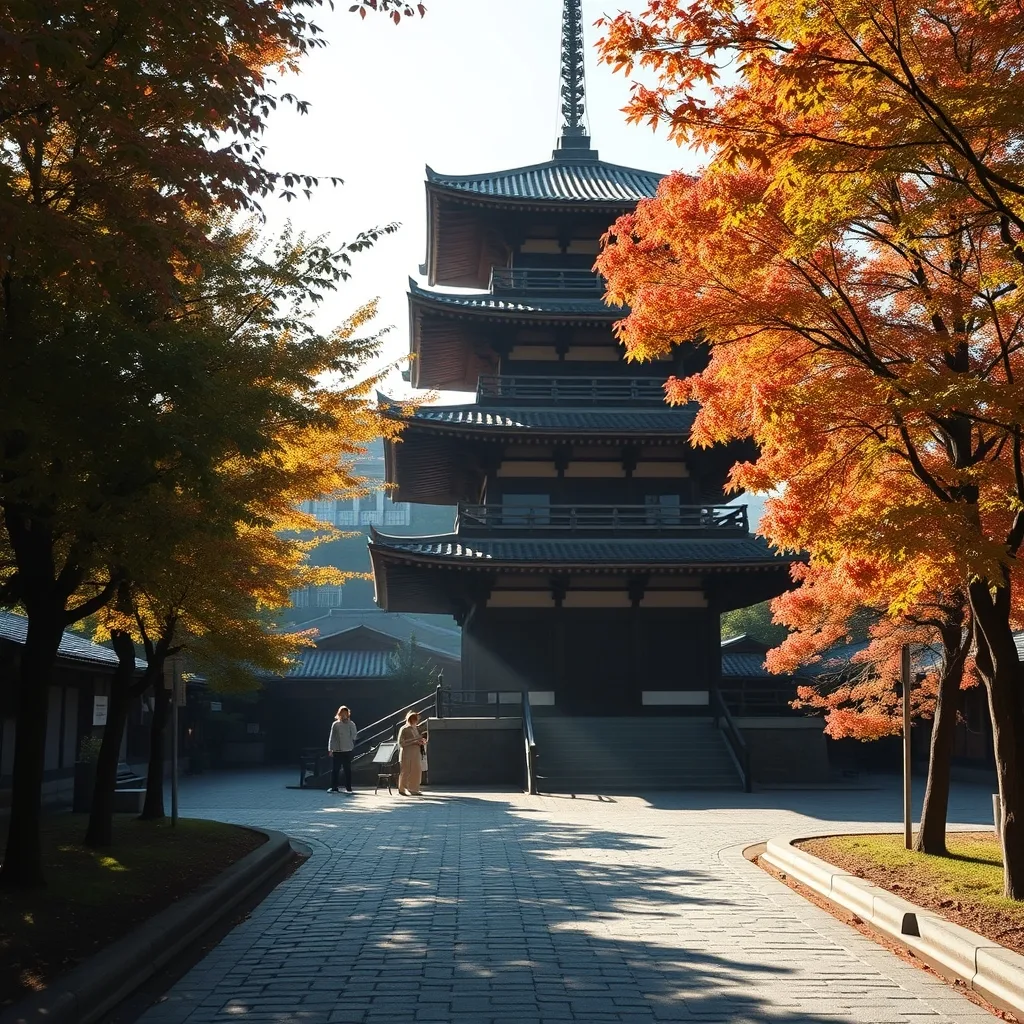
Morning — Sensō-ji, Asakusa. Tokyo's oldest Buddhist temple, founded in 645 CE. Arrive by 8:30 AM to walk the lantern-lit Kaminarimon gate and Nakamise shopping street before the crowds — this is where couples rent kimonos for photos against the temple and pagoda. Nakamise's stalls are great for souvenirs: daruma dolls (₹300–3,000 equivalent) and hand-painted sensu folding fans.
Midday — Tokyo Skytree. A short hop across the river. At 634 m it's Japan's tallest structure; on clear days the observation decks see all the way to Mt. Fuji. Book online (~¥3,000/₹1,800 per person, approximate) to skip the queue — or skip the paid deck entirely if you've done Shibuya Sky and just enjoy the river walk.
Afternoon — pick your energy level. Electronics-and-anime couples: Akihabara, three stops away — multi-floor anime stores, retro arcades at Super Potato, and gachapon halls (budget ₹500 in ¥100 coins; it's addictive). Prefer calm? The Ueno Park museums are one stop from Asakusa.
Evening — Omoide Yokocho, Shinjuku. Back near your hotel, walk the smoky lantern-lit alley of tiny yakitori grills — even as vegetarians it's worth a stroll for the atmosphere, then have dinner at Ain Soph.Journey Shinjuku (fully vegan, book ahead) or a reliable Indian dinner in Shinjuku's cluster of North Indian restaurants.
Tip: Konbini food is genuinely good — 7-Eleven, Lawson, and FamilyMart do onigiri, egg-salad sandos, and hot coffee that are quietly excellent for a ₹150–250 breakfast. Vegetarians: check fillings — many onigiri contain fish or dashi; plum (ume), plain salt, and egg options are the safe picks.
Day 3 — teamLab Planets & Ginza: Art, Luxury, and a Tower Finale
Morning — teamLab Planets TOKYO (Toyosu). The immersive digital-art museum where you wade barefoot through water-filled rooms, mirrored infinity spaces, and floral projections — it is the romantic Tokyo experience and the best couple photos you'll take anywhere. Two non-negotiables: book the first slot of the day (crowds wreck the magic) and book weeks ahead — it sells out daily. Tickets **¥3,800–4,200 (₹2,300–2,500) per person**, approximate.
Midday — Tsukiji Outer Market or Ginza lunch. Foodies detour to Tsukiji Outer Market's bustling lanes (go before the stalls wind down mid-afternoon). Otherwise head straight to Ginza — Tokyo's luxury mile — for window shopping and lunch. T's Tantan inside Tokyo Station (one stop away, inside the ticket gate) does a fully vegan tantan ramen that converts sceptics; Nataraj's Ginza branch covers the Indian-vegetarian base.
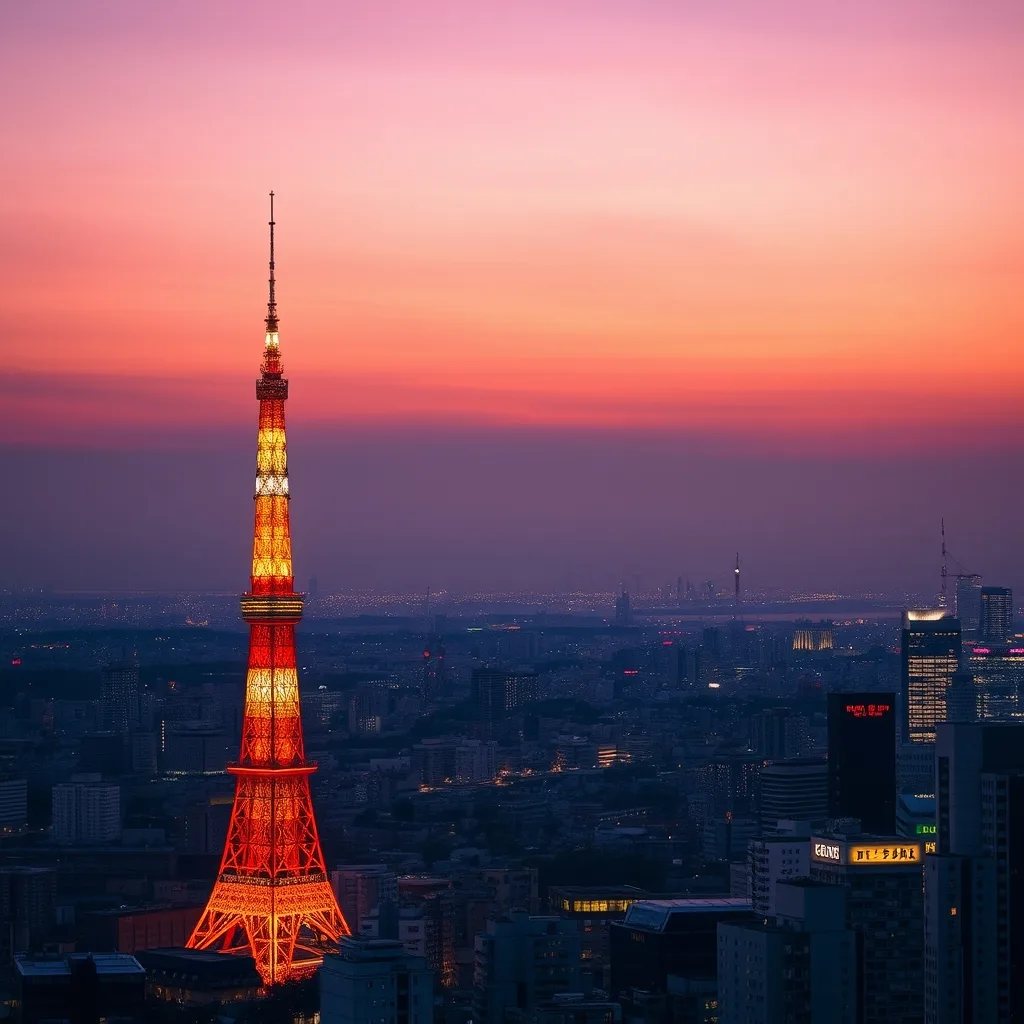
Evening — Tokyo Tower. End where the skyline icon glows orange against the dusk — the view of it from the free Shiba Park side is the classic final-night photo, or go up the main deck (~¥1,500/₹900, approximate). It's the postcard finish before you pack.
The Budget: 3 Days in Tokyo for Two (in ₹)
All figures are approximate ranges for a mid-range couple, as of 2026 — they vary with season, exchange rate (¥100 ≈ ₹58–60), and booking window. Cherry blossom and Golden Week push everything to the top end or beyond.
Item | For two (3 days) | Notes |
|---|---|---|
Return flights from India | ₹80,000–1,50,000 | Direct from Delhi; one-stop from other metros |
Hotel (3 nights, mid-range) | ₹27,000–45,000 | Shinjuku/Shibuya double |
Food | ₹15,000–24,000 | Konbini breakfasts to nice dinners |
Metro + attractions + SIM | ₹15,000–20,000 | Shibuya Sky, teamLab, Skytree, Suica top-ups |
That's ₹60,000–85,000 on the ground, or ₹1.5–2.2 lakhs all-in for two. For a full multi-city cost picture (and where to save), see our detailed Japan trip cost from India breakdown.
When Should Couples Go?
Late March–early April (cherry blossoms) and November (autumn colours) are the most romantic — and the most expensive and crowded. Golden Week (late April–early May) is Japan's peak domestic holiday: hotels spike, book far ahead or avoid it. For lighter crowds and lower fares, aim for late May–June or October. Full seasonal logic in our best time to visit Japan from India guide.
Vegetarian Cheat Sheet by Neighborhood
Shinjuku: Ain Soph.Journey (vegan), several North Indian restaurants around the station.
Harajuku/Shibuya: Nataraj (vegetarian Indian), plentiful vegan cafés — filter on HappyCow.
Tokyo Station/Ginza: T's Tantan (vegan ramen), Nataraj Ginza.
Asakusa: temple-area tofu and monk-cuisine restaurants; konbini backups everywhere.
For the full survival strategy — hidden fish stock, label reading, Jain/veg phrases in Japanese — read our vegetarian food in Japan guide.
FAQ
Is 3 days enough for Tokyo? For a first visit as a couple, yes — if you go neighborhood-by-neighborhood like this plan instead of criss-crossing the city. You'll cover the icons and still have unhurried evenings. With 5+ days, add a day trip and the quieter lanes of Yanaka or Shimokitazawa.
Can we do a day trip to Mt. Fuji in 3 days? Don't. Hakone/Fuji is a full day with multiple transfers and would gut this itinerary. If Fuji matters, extend to 5–7 days — our 7-day honeymoon route builds Hakone in properly, with a private-onsen ryokan night.
Is Tokyo expensive for Indian couples? It's comparable to a premium European city break but very controllable: the metro is cheap (₹100–150 a ride), konbini meals cost ₹150–250, and the big-ticket items (flights, hotel) reward early booking. The ₹ table above is a realistic mid-range picture.
Do we need cash? Yes — many small izakayas, shrine stalls, and coin lockers are still cash-only. Withdraw yen from 7-Bank ATMs inside 7-Eleven (they take Indian cards and have English menus) and keep about ¥10,000 (~₹6,000) in your wallet.
Is Tokyo safe for couples at night? Among the safest big cities in the world. You can walk Shibuya or Shinjuku at 1 AM without a second thought — and if you ever need help, look for a kōban (police box) near any station entrance.
Turn This Into Your Own Trip
Every couple's pace is different — maybe you want two teamLab sessions and zero shopping, or a Disney day (Tokyo DisneySea, the only one in the world, is 20 minutes away). Take this plan and build your custom Tokyo itinerary for couples on NextDestination.ai — reorder days, add your dates and flight times, and download a visa-ready day-by-day plan in under two minutes.