
Hiroshima
Everything you need to know before you go — visa, food, stays, hidden gems, apps, and more. Then plan your trip with AI.
Things to Do in Hiroshima
Unique things to do
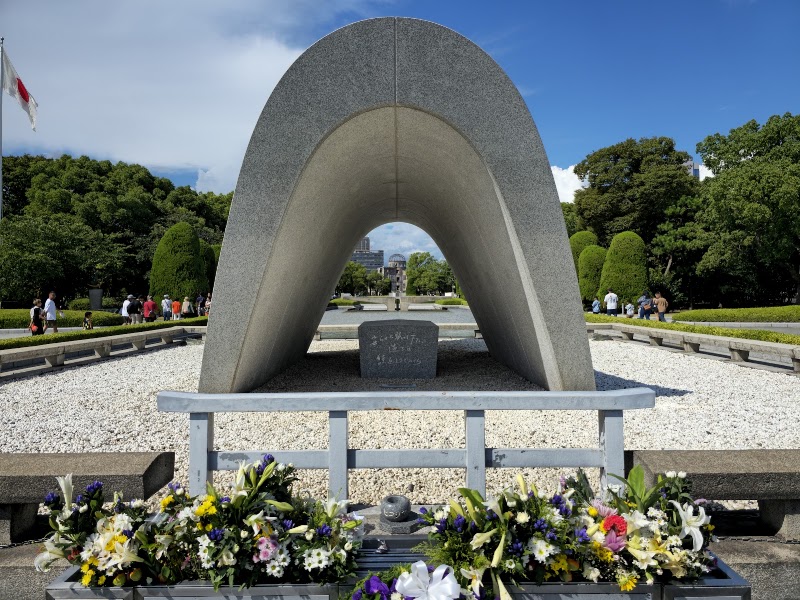
Hiroshima Peace Memorial Park
Built over the hypocentre district, with the cenotaph aligned so the arch frames the Dome and the Flame of Peace. Allow half a day and take the museum slowly — most people underestimate how much it asks of you.
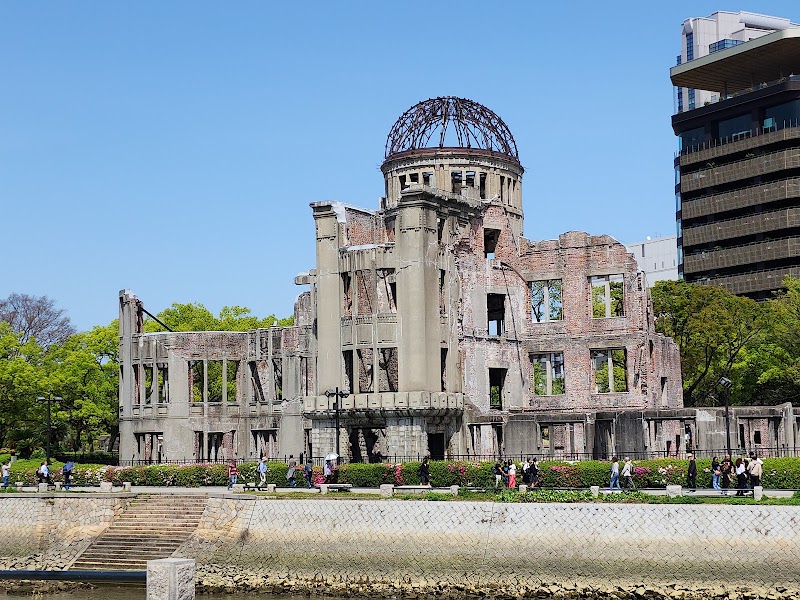
Atomic Bomb Dome
The former Industrial Promotion Hall, left exactly as it stood on 6 August 1945 and now a UNESCO site. Preserved after a long civic argument about whether to demolish it; the skeleton is the argument's answer.
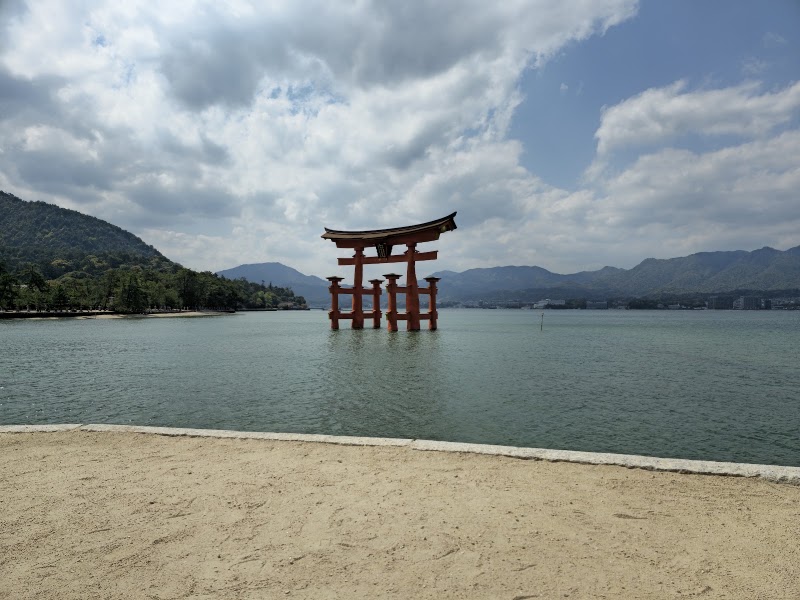
Itsukushima Shrine
The shrine that appears to float, with its great torii standing in the sea at high tide and walkable at low. Check the tide table before you take the ferry — it decides which of the two you get.
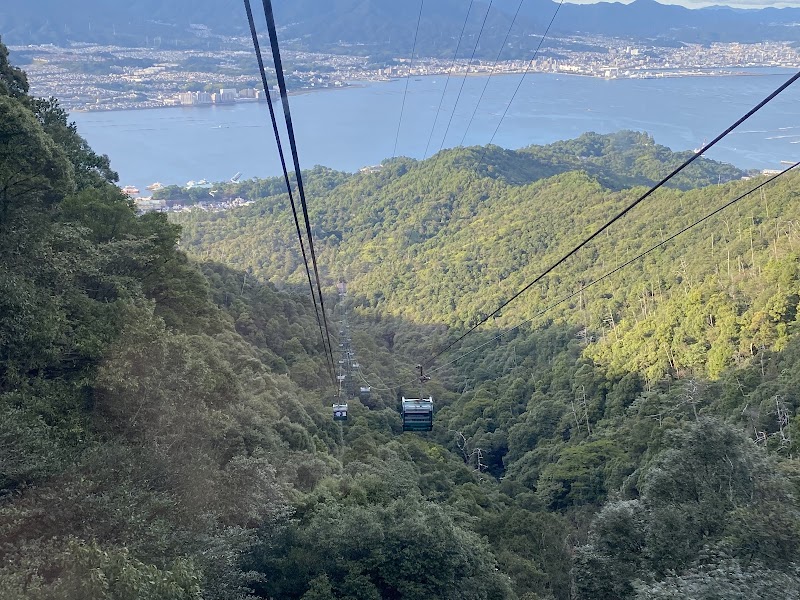
Mount Misen
Miyajima's 535m peak, reached by ropeway plus a genuine 30-minute climb, or a two-hour hike from the shrine. Wild deer at the bottom, the Inland Sea's islands laid out at the top.
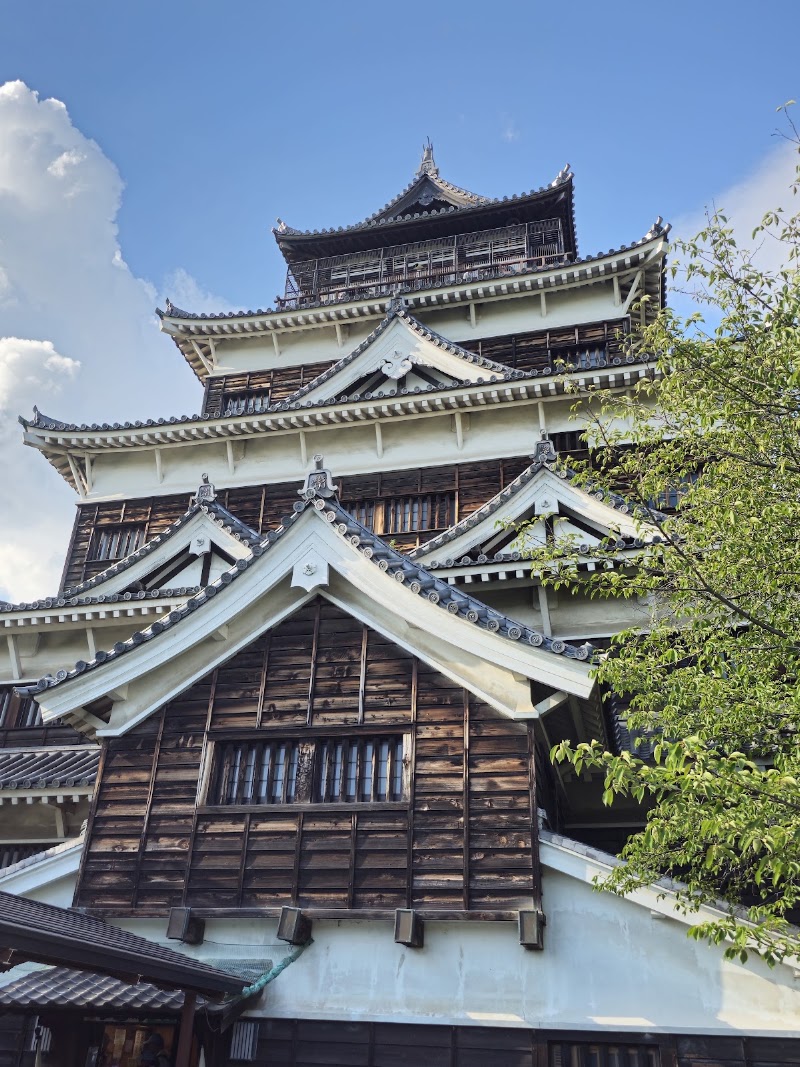
Hiroshima Castle
A 1958 reconstruction of the 1590 keep destroyed in the blast, housing a museum of samurai-era Hiroshima. The surviving eucalyptus and willow inside the moat are original — they regrew after 1945.
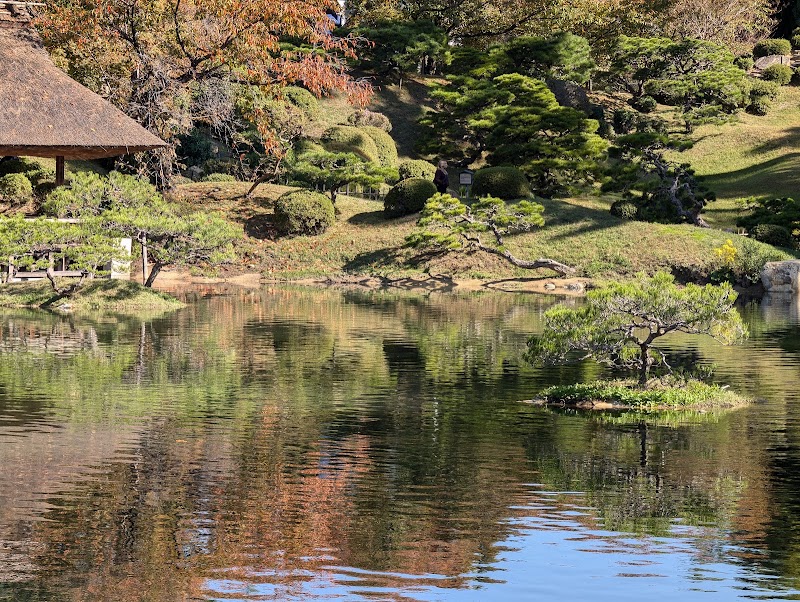
Shukkei-en
A 400-year-old miniature landscape garden — the name means shrunken scenery — with a pond circuit of tiny mountains and valleys. It became a refuge for the wounded in 1945 and was replanted from scorched ground.
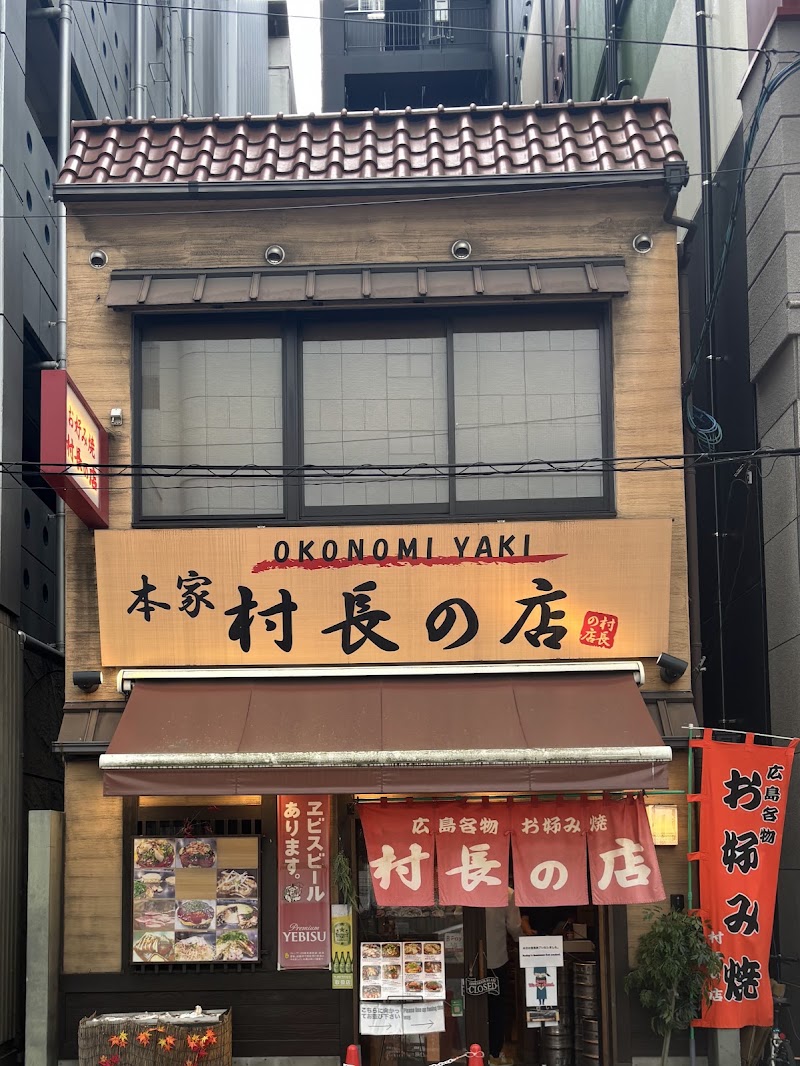
Okonomimura
Three floors, two dozen counters, one dish: Hiroshima-style okonomiyaki, layered rather than mixed, with yakisoba noodles pressed in. Sit at the teppan and let the cook build it in front of you.
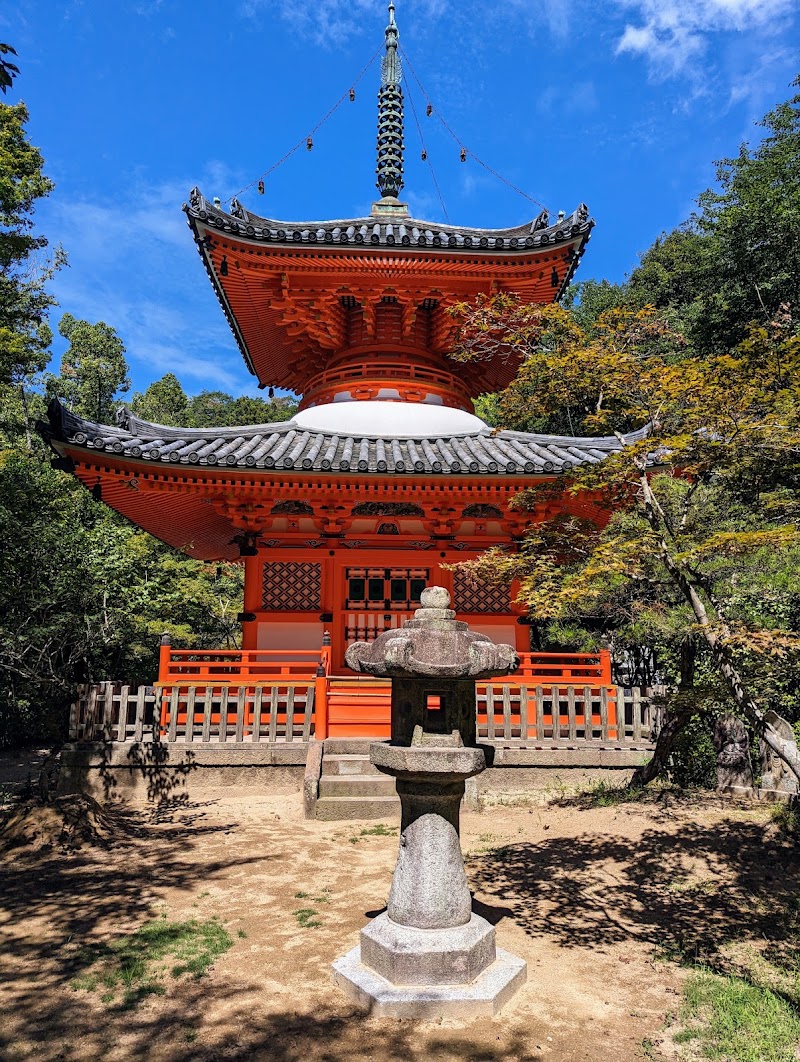
Mitaki-dera
A mountainside temple twenty minutes from the centre, with three waterfalls, a vermilion pagoda moved here from Wakayama, and almost no visitors. The best antidote in the city to a heavy morning at the park.
Ready-Made Hiroshima Itineraries
Expert-curated trip plans — open one and customise it in a click

Community Itineraries
Real Hiroshima trips planned by travelers like you
Ready to Plan Your Hiroshima Trip?
Let AI create a personalized itinerary based on your dates, budget, and interests.
⚡ Create My Hiroshima Itinerary — Free