The fastest way from Narita Airport to Tokyo is the Keisei Skyliner to Nippori and Ueno in 36 to 41 minutes (¥2,580), while the most convenient route to Tokyo Station, Shinjuku, or Shibuya is the direct JR Narita Express in 53 to 60 minutes using the foreign-passport N'EX Tokyo Round Trip Ticket at ¥5,200 return. If you land at Haneda Airport instead, central Tokyo is just 11 to 13 minutes away via the Keikyu Airport Line to Shinagawa (¥327 IC) or the Tokyo Monorail to Hamamatsucho (¥519 IC).
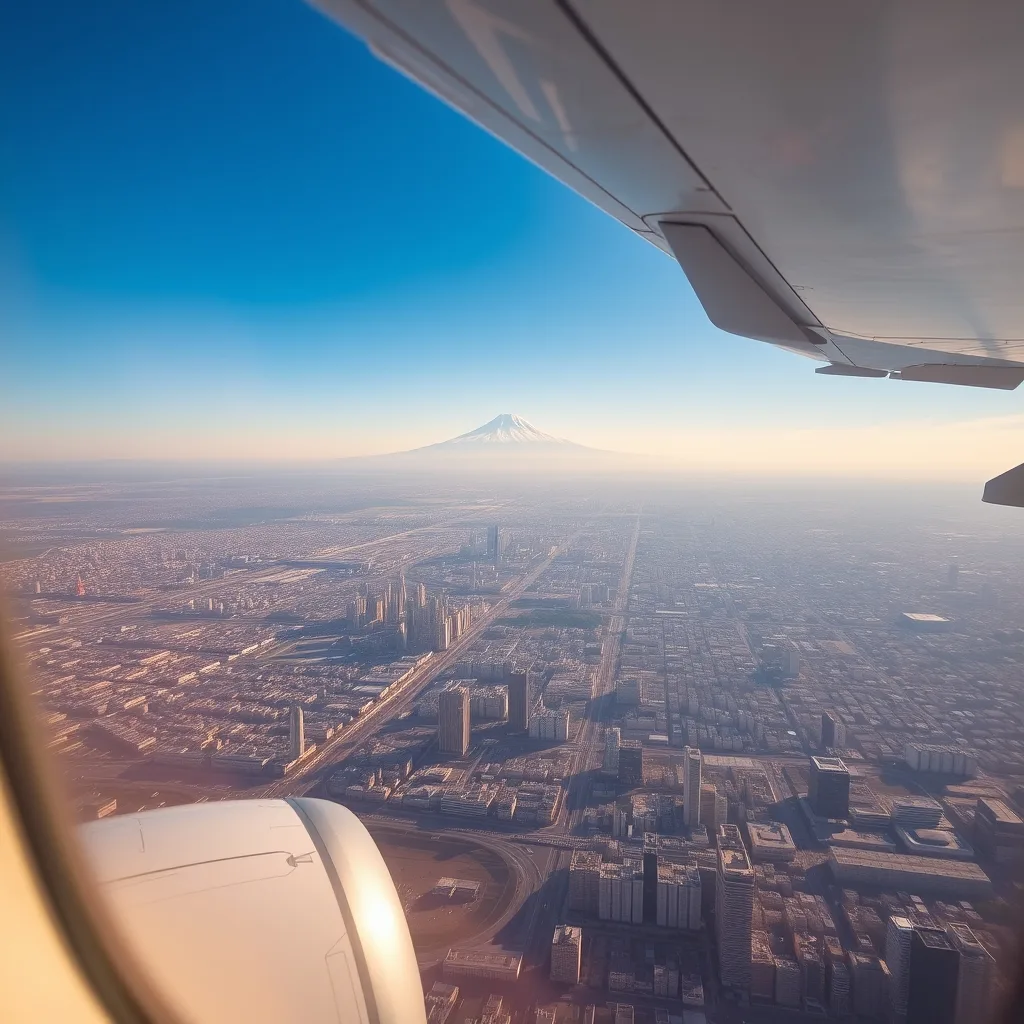
For first-time international visitors, landing in Tokyo can feel overwhelming after a long flight. Narita International Airport (NRT) sits approximately 60 kilometres east of central Tokyo in Chiba Prefecture, while Tokyo Haneda Airport (HND) lies right on Tokyo Bay, just 15 to 20 kilometres south of the downtown core.
The single biggest mistake new arrivals make is blindly choosing the "cheapest" or "fastest" airport train without looking at where their hotel is booked. Hauling two heavy rolling suitcases across complex underground subway transfers during Tokyo evening rush hour quickly erases whatever time or money you saved at the airport terminal.
Here is the complete, verified 2026 arrival guide: how to pick the right transport mode based on your Tokyo hotel ward, how to navigate Narita Terminal 3, what to do if your flight lands late at night, and how to structure your arrival day to start your trip smoothly.
Tokyo Airport Transfers at a Glance
Comparing transfer modes requires balancing travel time, luggage ease, and destination ward. The table below outlines the primary transit routes connecting Tokyo's international gateways to key city hubs.
Airport & Transit Route | Journey Time | Approx Fare | Best For |
|---|---|---|---|
Narita: Keisei Skyliner | 36–41 min | ¥2,580 (¥2,310 online) | Ueno, Asakusa, Akihabara, and Yanaka |
Narita: JR Narita Express (N'EX) | 53–75 min | ¥3,070 one-way (¥5,200 round-trip) | Tokyo Station, Ginza, Shinjuku, Shibuya |
Narita: Airport Bus TYO-NRT | 65–80 min | ¥1,500 daytime (¥3,000 late-night) | Budget travellers to Tokyo Station / Ginza |
Haneda: Keikyu Airport Line | 11–13 min | ¥327 IC (¥330 paper) | Shinagawa, Roppongi, and Toei Asakusa Line |
Haneda: Tokyo Monorail | 13–15 min | ¥519 IC (¥520 paper) | Hamamatsucho, JR Yamanote Line, Shimbashi |
Disclaimer: Fares, timetables, and operational frequencies vary slightly based on booking channels and peak travel dates. Approximate figures reflect official 2026 operator fare schedules.
Route 1: Narita Airport to Central Tokyo
Narita Airport features two main rail operators directly beneath Terminals 1 and 2: JR East and Keisei Electric Railway.
Keisei Skyliner (Fastest to Northern and Eastern Tokyo)
The Keisei Skyliner is a high-speed express train running at up to 160 km/h along the Narita Sky Access Line.
Speed: It reaches Nippori Station in 36 minutes and Keisei-Ueno Station in 41 minutes.
Tickets and Pricing: A standard station counter ticket costs ¥2,580 (¥1,280 base fare + ¥1,300 limited express reserved seat ticket). Booking an e-ticket online via official partners or Keisei's international booking portal lowers the price to ¥2,310 for adults.
Luggage and Comfort: All seats are reserved with dedicated overhead luggage racks, under-car suitcase bays with security locks, and AC power outlets at every seat.
Where It Excels: If your accommodation is in Ueno, Asakusa, Akihabara, or northern Tokyo, the Skyliner is unequivocally your fastest choice. At Nippori Station, you can make a flat, barrier-free cross-platform transfer to the JR Yamanote Line in under three minutes.
JR Narita Express / N'EX (Direct to Major Western Hubs)
The Narita Express (N'EX) operated by JR East is a dedicated limited express train designed specifically for airport passengers with luggage.
Speed: Non-stop to Tokyo Station in 53 to 60 minutes, with direct through-service continuing onward to Shinagawa (≈65 min), Shibuya (≈75 min), Shinjuku (≈80 min), and Yokohama (≈90 min).
The Foreign-Passport Round-Trip Deal: A standard one-way N'EX ticket to Tokyo Station costs approx ¥3,070 (or up to ¥3,250 to Shinjuku). However, foreign passport holders can purchase the official N'EX TOKYO Round Trip Ticket for ¥5,200 (adults) or ¥2,600 (children aged 6–11). This pass is valid for 14 consecutive days and covers your return journey from anywhere in the Greater Tokyo N'EX service zone back to Narita. It is available at Narita Airport JR East Travel Service Centers and passport-scanning ticket vending machines.
Luggage and Comfort: Spacious 2x2 seating, large luggage storage spaces with individual digital combination wire locks, wheelchair-accessible lavatories, and complimentary Wi-Fi.
Where It Excels: If you are staying in Marunouchi, Ginza, Shinjuku, Shibuya, or Roppongi, taking the N'EX eliminates the misery of transferring between subway lines with heavy baggage.
Airport Bus TYO-NRT (The Budget Direct Option)
If you want to avoid rail stairs altogether on a budget, the Airport Bus TYO-NRT is a unified express bus service operated jointly by JR Bus Kanto, Keisei Bus, and partner operators.
Fares: Standard daytime adult fare is ¥1,500 (¥750 for children). Late-night and early-morning departures (between 23:00 and 05:00) cost ¥3,000.
Travel Time: Between 65 and 80 minutes to the Tokyo Station Nihombashi and Yaesu exits, or Ginza Station, depending on Shuto Expressway traffic.
Luggage Policy: Large suitcases are loaded into the bus's underfloor hold by baggage handlers (1 large piece per passenger), allowing you to board unencumbered.
Ticketing: Purchase tickets at the dedicated bus ticket counters in Narita Terminals 1, 2, or 3, or tap your physical or digital IC transit card directly upon boarding.
The Narita Terminal 3 Trap
If you fly into Narita on a low-cost carrier such as Jetstar, Spring Japan, or Peach, you will arrive at Terminal 3.
Terminal 3 does not have a train station. To catch either the Keisei Skyliner or the JR Narita Express, you must travel to Terminal 2:
Free Terminal Shuttle Bus: Board the direct airport shuttle bus outside Terminal 3 (running every 3 to 5 minutes; travel time is roughly 3 minutes).
Pedestrian Access Corridor: Walk the covered 300-metre pedestrian track connecting Terminal 3 to Terminal 2 (about 5 to 7 minutes on foot with luggage trolleys).
Once at Terminal 2, head downstairs to the B1 level to reach the JR and Keisei ticket gates.
Route 2: Haneda Airport to Central Tokyo
Tokyo Haneda Airport sits significantly closer to central Tokyo than Narita, making airport transit faster and less expensive. International flights land primarily at Terminal 3 (with select flights at Terminal 2).
Keikyu Airport Line (Fastest to Shinagawa and Subways)
The private Keikyu Corporation runs frequent Airport Limited Express (Kaitoku) trains straight from Haneda Airport Terminal 3 into the heart of southern Tokyo.
Speed and Fare: Reaches Shinagawa Station in 11 to 13 minutes for an IC card fare of ¥327 (¥330 paper ticket).
Through-Running Convenience: Many Keikyu trains run directly onto the Tokyo Metropolitan subway network (the Toei Asakusa Line) without requiring passengers to change trains. This provides seamless, one-seat rides straight into Mita, Shimbashi, Higashi-Ginza, Nihombashi, and Asakusa.
Luggage Note: Keikyu trains are standard commuter train layouts (long bench seating) rather than airport express coaches with luggage racks. During peak weekday morning rush hours (07:30 to 09:00), boarding with multiple oversized suitcases can be crowded.
Tokyo Monorail (Scenic Route to the Yamanote Line)
The Tokyo Monorail glides along Tokyo Bay, connecting Haneda Airport Terminals 1, 2, and 3 to central Tokyo's rail backbone.
Speed and Fare: The non-stop Haneda Express connects Terminal 3 to Monorail Hamamatsucho Station in 13 minutes for ¥519 IC (¥520 paper ticket).
Connections: Hamamatsucho Station connects directly to the JR Yamanote and Keihin-Tohoku lines, making it easy to reach Tokyo Station (6 minutes), Akihabara, or Ueno.
Luggage Friendly: Unlike standard commuter trains, Tokyo Monorail cars feature dedicated central luggage storage tiers designed specifically for airline luggage.
Haneda Fixed-Rate Taxis (Door-to-Door Ease)
If you arrive with family, elderly travellers, or excessive baggage, Tokyo taxis offer pre-set flat-rate airport fares (teigaku-unchin) from Haneda to specific outer Tokyo wards.
Eligible Wards: Flat fares apply to wards including Shinjuku (≈¥8,500), Shibuya (≈¥8,500), Chiyoda (≈¥7,600), and Taito/Asakusa (≈¥9,100).
The Inner-Ward Exception: The six wards closest to Haneda—Ota, Shinagawa, Meguro, Minato, Chuo, and Koto—are strictly metered, not flat-rate. Taking a taxi to Shinagawa or Ginza runs on the standard meter.
Tolls and Night Surcharge: Express highway tolls (approx ¥1,000 to ¥1,950) are charged in addition to the flat rate. A 20% late-night surcharge automatically applies between 22:00 and 05:00.
Booking: You can walk up to the official international taxi ranks at Haneda or use popular Tokyo ride-hailing apps like S.RIDE or GO.
Match Your Airport Train to Your Tokyo Hotel Ward
Do not choose your transfer based on marketing flyers. Match your mode to your specific accommodation base to avoid dragging suitcases up steep underground stairs:
Ueno, Asakusa, or Akihabara
From Narita: Take the Keisei Skyliner directly to Nippori or Keisei-Ueno. For Asakusa, take the Keisei Access Express directly to Asakusa Station, or take the Skyliner to Ueno and a short 5-minute taxi ride to your hotel.
From Haneda: Take the Keikyu Airport Line on a through-running Toei Asakusa Line train directly to Asakusa Station without changing trains.
Where to stay: If you have not locked in your base yet, read our neighbourhood breakdown in where to stay in Tokyo for first-timers.
Tokyo Station, Marunouchi, or Ginza
From Narita: Take the JR Narita Express (N'EX) directly to Tokyo Station (53 min). If on a budget, take the TYO-NRT Bus to the Yaesu or Nihombashi exit.
From Haneda: Take the Tokyo Monorail to Hamamatsucho, then transfer one stop north on the JR Yamanote Line to Tokyo Station, or take the Keikyu Line directly to Higashi-Ginza.
Shinjuku, Shibuya, or Ikebukuro
From Narita: Board the JR Narita Express (N'EX) for a direct, single-seat journey to Shibuya or Shinjuku Station. Avoid taking the Skyliner to Ueno and transferring to the Yamanote Line, as navigating Shinjuku Station's crowded corridors with luggage after a long flight is notoriously stressful.
From Haneda: Take the Keikyu Airport Line to Shinagawa, then transfer to the JR Yamanote Line for a direct 15-minute ride to Shibuya or 20-minute ride to Shinjuku. Alternatively, book the Airport Limousine Bus directly to the lobby of major hotels (such as the Keio Plaza Hotel or Hilton Tokyo).
Shinagawa, Roppongi, or Minato Ward
From Narita: Take the JR Narita Express (N'EX) directly to Shinagawa Station.
From Haneda: Take the Keikyu Line directly to Shinagawa Station in 11 to 13 minutes. For Roppongi, take Keikyu to Daimon Station and transfer to the Toei Oedo Line.
Arrival Day Logistics: Landing at 3:00 PM vs 9:00 PM
How you handle arrival day depends entirely on the hour your aircraft touches down on the tarmac.
Landing 15:00 → Clear Border (16:00) → Airport Express (17:15) → Hotel Check-in (18:00) → Evening Stroll & Dinner
Landing 21:00 → Clear Border (22:00) → Board Final Express (22:45) → Hotel (23:45) → Conbini Dinner & Sleep
The Afternoon Arrival (15:00 Landing)
Landing in the mid-afternoon gives you a generous runway to settle in without rushing:
Immigration & Customs (60 min): Clear passport control and baggage claim by roughly 16:00. Complete your digital customs declaration beforehand on Visit Japan Web to access the electronic customs gates.
Transit & Setup (15 min): Pick up your physical IC card or activate your digital transit card on your phone. If you need step-by-step guidance on digital transport passes and train navigation apps, consult our complete guide to the best Japan travel apps.
Luggage Option: If you are travelling with large suitcases, head to the Yamato Transport counter at arrivals and forward your bags directly to your hotel. You can read our full walkthrough on delivery timing and rates in Japan luggage forwarding with Takkyubin.
Hotel Check-in (17:30 to 18:00): Arrive at your hotel, drop off your bags, and take a hot shower.
First Evening Itinerary: Step out for an easy, low-stress evening. Walk through your local neighbourhood, visit a quiet neighbourhood shrine, order your first steaming bowl of ramen from a ticket-machine shop, pick up breakfast snacks from a 7-Eleven or Lawson, and get to sleep by 22:00 to overcome jet lag.
The Late-Night Arrival (21:00 or Later)
Late arrivals require strict attention to train schedules:
Customs Clearance (22:00): Expect to exit customs around 22:00.
Last Train Deadlines:
At Narita: The final JR Narita Express typically departs around 21:44. After that, your primary rail options to central Tokyo are the Keisei Skyliner (last departure approx 23:00) or the Keisei Main Line commuter train (approx 23:03). If you miss these, you must take the late-night TYO-NRT bus or an expensive taxi.
At Haneda: Keikyu and Monorail services run until roughly 23:50 to 00:10. After midnight, late-night airport buses serve select hubs (such as Shinjuku and Shibuya) until approximately 01:00 to 02:00.
Check-in Alert: Always email or message your Tokyo hotel if you expect to arrive past 23:00 so they do not mark your reservation as a no-show.
Frequently Asked Questions
Is the JR Pass worth it for the Narita Express?
If you have an active Whole Japan Rail Pass, it fully covers the JR Narita Express. However, since the massive nationwide price increase in late 2023, purchasing a full 7-day or 14-day JR Pass purely for city sightseeing and the airport train is rarely cost-effective. Independent travellers without a national rail pass should purchase the N'EX TOKYO Round Trip Ticket (¥5,200) instead, which provides the exact same travel for a fraction of the cost.
Can I use a digital Suica or PASMO card on the Skyliner or N'EX?
You can tap your digital Suica or PASMO on Apple Wallet or your physical IC card to pay the base fare (the distance charge) at the ticket gates. However, both the Keisei Skyliner and the JR Narita Express are all-reserved limited express trains. You must purchase a separate limited express reserved seat ticket before boarding. Riding without a reserved seat ticket results in a conductor surcharge or being asked to vacate the seat.
Should I take a taxi from Narita Airport to central Tokyo?
Generally, no. Because Narita is 60 kilometres from the city center, a metered taxi ride costs between ¥25,000 and ¥35,000 (approx $160 to $230 USD), plus highway tolls. Unless you have severe mobility limitations or company-paid corporate transport, taking the high-speed Skyliner or N'EX is both faster and up to ten times cheaper.
How early should I leave Tokyo for my return flight?
For international departures from Narita, plan to arrive at the airport terminal 3 hours before your scheduled flight. Factor in a 60-minute train journey on the N'EX or Skyliner, plus a 20-minute safety buffer for station transfers, meaning you should depart central Tokyo 4 to 4.5 hours prior to takeoff. For Haneda, departing central Tokyo 3 hours before flight departure is typically sufficient.
Build Your Tokyo Itinerary the Smart Way
Getting seamlessly from the runway to your hotel lobby is only step one. Once your bags are safely unpacked in your room, the real journey begins: navigating Tokyo's distinct neighbourhood clusters, exploring historic temples, and enjoying world-class dining.
Rather than zigzagging back and forth across the Yamanote loop, pair your airport arrival with our curated 4-day Tokyo travel itinerary to group your days logically from east to west.
Ready to start planning your Tokyo adventure? Generate a customized, day-by-day Tokyo travel itinerary on NextDestination.ai in seconds, complete with walking routes, transit connections, and exportable PDF schedules.