A 10-day Japan trip with elderly parents from India costs approximately ₹1,50,000 to ₹1,95,000 per person for a family party of three or four, and succeeds only when you restrict your trip to two hotel bases and schedule exactly one primary sight per day. Taking retired Indian parents to Japan is one of the most rewarding family milestones you can plan, but applying a standard tourist route—which often involves walking 18,000 steps daily across steep temple stairs, dragging luggage through train stations, and changing hotels four times—will quickly exhaust a 70-year-old traveler.
(All budget ranges, entrance fees, and transit costs in this guide reflect verified 2026 rates. Costs are approximate and vary based on seasonal airline surges, hotel booking windows, and exchange rates.)
To ensure your parents enjoy ancient pagodas, manicured gardens, and scenic bullet trains without pain or fatigue, you must re-pace the route entirely. Below is our battle-tested 10-day multigenerational Japan plan, featuring a verified stairs audit of headline attractions, step-free transit directions, retired-parent visa sponsorship logistics, strict vegetarian food strategies, and realistic ₹ budgets.
The Golden Rules for Travelling in Japan with Senior Parents
Before selecting hotels or booking bullet train seats, align your travel rhythm with how Japan is built on the ground.
Two Bases Only: Tokyo and Kyoto
Do not split a 10-day trip across Tokyo, Hakone, Takayama, Kyoto, and Osaka. Packing bags, clearing hotel check-outs at 10:00, and waiting for 15:00 check-ins drains elderly energy. Instead, spend 5 nights in Tokyo and 4 nights in Kyoto. Osaka and Nara are effortless 30-to-45-minute day trips from Kyoto on flat express trains, eliminating the need to repack suitcases.
Forward All Large Suitcases Between Cities
Never let your parents carry luggage up train station stairwells. Use Japan's nationwide door-to-door luggage courier system, Yamato Transport (Takkyubin). When departing Tokyo, send your large bags directly from your hotel reception to your Kyoto hotel. You travel on the Shinkansen carrying only a light daypack with medicines and an overnight change of clothes. Review the booking deadlines and baggage sizing in our dedicated guide to Japan luggage forwarding with Takkyubin.
Budget for Taxis on the Final Mile
While Japanese trains are punctual and clean, walking through massive transit complexes like Tokyo or Shinjuku stations can easily log 1,500 steps before you even reach the train platform. Use suburban train lines for long distances, but always take a licensed city taxi from the station exit to the temple gate. Japan's taxi base fares are modest (typically ¥500 to ¥600, or ≈₹280–₹330 for the first 1.2 km), making a short cab ride the smartest health investment you can make for older joints.
Direct Flights Over Layovers
When travelling with travelers over 65, saving ₹10,000 on an indirect flight with a 5-hour midnight layover in Southeast Asia is a false economy. Direct services from Delhi, Mumbai, or Bengaluru to Tokyo (operated by Air India, ANA, or Japan Airlines) land your parents rested and ready. For seasonal fare trends and booking windows, see our breakdown of flights from India to Tokyo.
The Sights Stairs Audit: What is Flat vs What Hurts
The biggest risk on a senior itinerary is assuming that famous sights are walking-friendly. Several of Japan's most famous landmarks sit on steep hills or require climbing hundreds of stone steps.
The comparison table below details the physical exertion required at major sights and provides verified, step-free alternatives:
Destination & Sight | Physical Exertion | Accessibility Reality & Pitfalls | Senior-Friendly Workaround |
|---|---|---|---|
Fushimi Inari Taisha (Kyoto) | High (Full Loop) / Low (Base) | The full mountain path involves 12,000 uneven stone steps climbing 233 meters. | Walk only the first 10 minutes through the flat Senbon Torii gates to the Okusha shrine, then turn back. |
Kiyomizu-dera (Kyoto) | High | The approaches (Matsubara-dori, Ninenzaka, Sannenzaka) are steep flagstone hills with heavy crowds. | Take a taxi straight to the upper northern barrier-free taxi drop-off near the main hall entrance. |
Todai-ji & Nara Park (Nara) | Low (Paved & Flat) | Wide, level paved stone avenues from Nandaimon Gate right to the Great Buddha Hall. | Completely step-free; ramps are installed beside temple steps. Tame deer walk up to seated visitors. |
Nijo Castle (Kyoto) | Low (Level Ground) | Flat crushed gravel paths around gardens; Ninomaru Palace is a single-level wooden hall. | Free wide-tire wheelchairs available at the entrance gate. Shoes must be removed at the palace entry. |
Senso-ji Temple (Tokyo) | Low to Moderate | Nakamise-dori shopping street is flat. The main temple hall has steep stone stairs. | Take the hidden glass elevator installed on the left side of the main hall to bypass all steps. |
Shinjuku Gyoen Garden (Tokyo) | Low (Relaxing) | Level, paved walking pathways with park benches spaced every 50 meters under shade trees. | Excellent alternative to Meiji Shrine, where long gravel approaches create difficult walking for canes. |
10-Day Senior-Paced Japan Itinerary
This route prioritises one iconic morning sight per day, followed by a leisurely sit-down lunch, an afternoon rest break at the hotel, and a gentle evening walk.
Day 1: Direct Flight Arrival in Tokyo & Rest
Touch down at Tokyo Haneda (HND) or Narita (NRT) Airport. Clear immigration and collect your pocket Wi-Fi or activate your travel eSIM.
Airport Transfer: Board the Tokyo Monorail or Keikyu Airport Express from Haneda, or take the JR Narita Express from Narita directly to your hotel ward. If your parents are weary, book a pre-reserved airport flat-rate taxi directly to your lobby.
Check-in & Early Night: Settle into your hotel. Pick up fresh fruit, yogurt, and bottled water from the ground-floor 7-Eleven. Enjoy an early vegetarian dinner nearby and sleep early to recover from jet lag.
Day 2: Historic Asakusa and Tokyo Skytree
10:00 — Senso-ji Temple: Arrive after the morning rush. Stroll slowly down Nakamise-dori street, admiring traditional crafts and sweet bean pastries. At the main temple hall, use the modern elevator to reach the golden altar without climbing the steep stairs.
13:00 — Vegetarian Lunch: Dine at one of Asakusa's dedicated Indian or vegan restaurants, or enjoy tempura vegetables and soba noodles at an accessible local eatery.
15:30 — Tokyo Skytree: Take a 5-minute taxi to Tokyo Skytree. The entire observation complex is fully barrier-free, with high-speed elevators opening directly onto wide indoor viewing decks that feature seating areas overlooking the Tokyo metropolis.
Day 3: Imperial Palace Outer Gardens and Shinjuku Gyoen
10:00 — Imperial Palace East Gardens: Explore the flat, paved walkways surrounding the Kokyo Gaien National Garden. Admire the historic Nijubashi double bridge and mature bonsai black pines without climbing hills.
13:30 — Afternoon Tea at Shinjuku Gyoen: Head to Shinjuku Gyoen National Garden. Its paved paths, traditional Japanese landscape gardens, and glasshouse conservatory offer benches under mature trees. If comparing overall family styles, see our alternate guide for 10-day Japan itineraries with kids.
17:00 — Rest & Relax: Return to the hotel for a foot massage and an unhurried dinner.
Day 4: Meiji Shrine Forest Walk and Shibuya Crossing
10:00 — Meiji Jingu Shrine: Enter through the towering wooden Torii gate. While the central gravel path can be slightly heavy on tired ankles, wide paved side tracks provide smoother footing. The inner courtyard is completely flat.
13:00 — Shibuya Sky: Take a short taxi ride to Shibuya Scramble Square. Ride the elevator to Shibuya Sky for an open-air panoramic view of the world-famous Shibuya crossing from comfortable indoor sofas.
Evening Luggage Prep: Hand your large suitcases to the hotel front desk for Takkyubin delivery to your Kyoto hotel. Keep only a backpack for the morning train.
Day 5: Shinkansen Bullet Train to Kyoto & Gion Evening
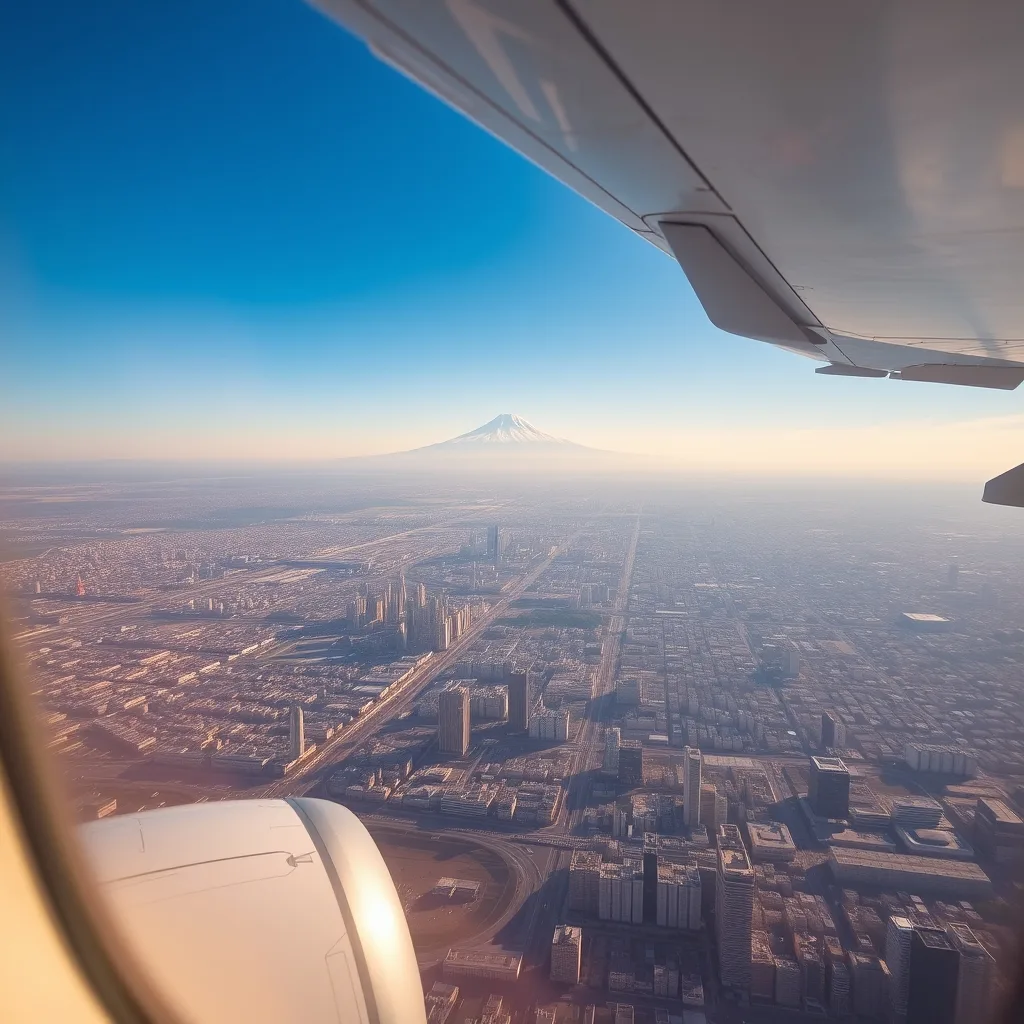
10:30 — Bullet Train Journey: Board the Shinkansen Nozomi bullet train from Tokyo or Shinagawa Station to Kyoto Station (2 hours 15 minutes). Book ordinary reserved window seats on the right side (Seats D/E) to view Mount Fuji as you speed past Shizuoka.
14:00 — Check-in Kyoto: Arrive at Kyoto Station, take a 10-minute taxi to your hotel in central Kyoto (Karasuma or Shijo), and unpack your overnight bags.
16:30 — Gentle Stroll in Gion: Take a slow evening walk along Shirakawa Canal in Gion. The paved stone flagstones alongside preserved wooden machiya teahouses and weeping willows are completely flat.
Day 6: Fushimi Inari Morning and Restful Uji Tea Town
08:30 — Fushimi Inari (Lower Shrines Only): Arrive early before tour buses. Walk the first 100 meters through the famous twin vermilion torii tunnels. Once you reach the Okusha inner shrine, take family photos and head back down—do not attempt the summit mountain trail.
11:30 — Half-Day Excursion to Uji: Board the local JR Nara Line train for 20 minutes south to Uji. Uji is world-renowned for green tea and features completely flat, pedestrianised riverbank promenades.
13:30 — Byodoin Temple & Matcha: Stroll the flat grounds of Byodoin Temple (featured on the Japanese 10-yen coin) and savour fresh matcha ice cream and dashi-free tofu sets. Explore our curated Uji matcha route to customise this peaceful afternoon.
Day 7: Arashiyama Bamboo Grove and Scenic Tram
09:30 — Arashiyama Bamboo Grove: Take a taxi from central Kyoto directly to the entrance of the Arashiyama Bamboo Grove. The main path through towering green bamboo stalks is paved and level.
11:30 — Tenryu-ji Temple Gardens: Enter Tenryu-ji's UNESCO-listed landscape garden. The viewing veranda of the main hall allows elderly guests to sit comfortably on tatami mats while admiring the 14th-century pond and mountain backdrop.
14:00 — Sagano Romantic Train: Board the open-sided vintage Sagano Scenic Railway for a seated, restful 25-minute train ride through the forested Hozukyo ravine, enjoying spectacular river scenery with zero walking.
Day 8: Ancient Nara Day Trip (Deer Park & Giant Buddha)
10:00 — Flat Transit to Nara: Board the Kintetsu Limited Express from Kyoto Station to Kintetsu-Nara Station (35 minutes, reserved seats). Kintetsu-Nara Station is equipped with elevators and is located 1 km closer to Nara Park than the JR station.
11:00 — Todai-ji Great Buddha Hall: Take a 5-minute taxi from the station to the Nandaimon gate of Todai-ji. Walk along the level stone promenade where wild, polite shika deer bow for deer crackers (shika-senbei). Enter the Daibutsuden via the gentle wheelchair ramp to marvel at the 15-meter bronze Buddha.
15:30 — Return to Kyoto: Take the Kintetsu train back to Kyoto for a restful evening. If your party wants to compare longer multi-city routes, explore our 14-day Japan family itinerary.
Day 9: Nijo Castle and Farewell Kyoto Gardens
10:00 — Nijo Castle: Visit the former Kyoto residence of the Tokugawa Shoguns. The gravel pathways are broad, and the single-story Ninomaru Palace allows seniors to walk through historic reception rooms famous for their chirping nightingale floors.
13:00 — Shojin Ryori Zen Lunch: Enjoy a traditional multi-course Buddhist vegetarian meal (Shojin Ryori) served inside a peaceful sub-temple garden, featuring seasonal mountain vegetables, fresh yuba (tofu skin), and sesame tofu.
17:00 — Shinkansen Return to Tokyo: Board the Shinkansen back to Tokyo for your final night near Haneda Airport or Tokyo Station.
Day 10: Souvenir Shopping & Flight Back to India
Morning — Duty-Free Gifts: Pick up Japanese green tea, Royce chocolates, traditional wooden chopsticks, and skincare at the airport terminal or Tokyo Station gift galleries.
Departure: Board your direct flight back to Delhi, Mumbai, or Bengaluru.
Plan Your Family Trip: Customise this pace, add extra rest days, and export a ready-made schedule for your visa by viewing our ready-made 10-day Japan itinerary.
Visa Sponsorship for Retired Parents from India
Because retired Indian parents usually do not possess active salary slips or current business Income Tax Returns (ITR), their visa application must be formally sponsored by an adult working child.
Under the Embassy of Japan consular guidelines processed through VFS Global in India, an adult child can sponsor their parents by submitting:
Sponsor's Financial Guarantee: The working child submits their own last 3 years of ITR-V acknowledgment forms, last 6 months of bank account statements stamped and signed by the bank, and an official company employment letter with pay slips.
Proof of Family Relationship: A government-issued document establishing the relationship, such as the sponsoring child's Indian passport displaying the parents' names, or a verified Birth Certificate.
Formal Sponsorship Covering Letter: A signed letter from the child explicitly stating that they are bearing 100% of the travel, accommodation, medical, and repatriation expenses for their parents during the trip.
Schedule of Stay: A dated, day-by-day itinerary detailing daily cities, booked hotel names, addresses, and phone numbers.
For step-by-step document checklists and regional VFS processing timelines, consult our detailed resource on Japan visa documents for Indians.
(Note: Always verify current VFS counter rules in your jurisdiction before booking your appointment, as consular guidelines are subject to periodic administrative updates.)
Senior Discounts & Healthcare Realities in Japan
There are several persistent myths regarding senior privileges in Japan that Indian travellers should understand before departure.
The Truth About Senior Rail Discounts
Foreign tourists frequently ask if senior citizens qualify for discounted bullet train tickets or local subway passes. Japan Rail (JR) does not offer senior discounts to foreign tourists. Domestic senior discount clubs (such as JR East's Otona no Kyujitsu Club) strictly require Japanese residency and Japanese credit cards. Foreign travellers of all ages pay standard adult ticket fares. Furthermore, because this slower 10-day itinerary features only two Shinkansen journeys, buying a national Japan Rail Pass will cause a substantial financial loss; point-to-point tickets are vastly cheaper. Read our detailed mathematical comparison in is the Japan Rail Pass worth it for Indians.
Airline Wheelchair Assistance
If your parents have knee arthritis or struggle with long walks across airport concourses, request airline wheelchair assistance when booking your flights (at least 48 hours prior to departure). Indian airport staff at Delhi, Mumbai, and Bengaluru, as well as Japanese ground staff at Haneda and Narita, provide seamless assistance through immigration, security screening, and boarding gates at no extra cost.
Comprehensive Travel Insurance
Never travel with senior citizens to Japan without high-limit overseas medical insurance that explicitly covers pre-existing health conditions, emergency medical hospitalisation, and medical evacuation. Private healthcare in Japan is world-class, but out-of-pocket hospital costs can quickly reach hundreds of thousands of yen.
Pure Vegetarian Dining Strategies for Senior Parents
Older Indian parents are often strictly vegetarian—eating zero egg, meat, seafood, poultry, or gelatin—and are particularly sensitive to hidden animal broths.
The "Dashi" Problem
In Japan, almost all traditional noodle broths (udon, soba, ramen), simmered vegetables (nimono), and dipping sauces contain dashi, a savoury stock extracted from dried bonito fish flakes (katsuobushi). Simply asking a restaurant to "make it vegetarian" rarely removes the dashi broth.
Practical Food Tactics
Locate Dedicated Indian Restaurants: Tokyo and Kyoto have exceptional Indian restaurants serving authentic North and South Indian vegetarian meals (dal tadka, roti, paneer, and dosas). Use HappyCow to pinpoint verified pure-veg eateries near your hotel.
Book Shojin Ryori: Treat your parents to Zen Buddhist temple cuisine (Shojin Ryori). Prepared by Buddhist monks using entirely plant-based ingredients (tofu, seasonal mountain greens, mushrooms, and kelp broth), it is healthy, delicate, and spiritually meaningful.
Convenience Store Saviours: Japanese konbini (7-Eleven, Lawson, FamilyMart) sell fresh bananas, salted boiled edamame, roasted hot sweet potatoes (yaki-imo), and plain salted white rice onigiri (shio musubi), which contain only Japanese rice and salt.
For ward-by-ward dining recommendations, review our complete guide to vegetarian food in Japan and our specialised vegetarian food guide for Tokyo.
Hotel Room Selection: The 2-Person Limit
Japanese hotel rooms are engineered for efficiency and enforce strict room occupancy limits.
Business chains like APA, Toyoko Inn, and Sotetsu Fresa Inn generally have a strict maximum limit of 2 adults per room. If you are travelling as three adults (e.g., an adult child taking both parents), you cannot simply squeeze an extra person into a double room.
You have two practical solutions:
Book Two Connecting or Adjacent Rooms: Reserve two double or twin rooms at reliable business chains.
Book Family Aparthotels: Brands like MIMARU, Karaksa, or FAV Hotel offer spacious Western-style apartment suites with 3 to 4 full beds, dining tables, kitchenettes, and elevators. These allow the entire family to stay together comfortably.
For specific station-by-station hotel recommendations with elevators, review our neighbourhood guide on where to stay in Tokyo for first-timers.
10-Day Estimated Family Budget (Per Person in ₹)
Here is a realistic budget breakdown for an Indian family party of three or four travelling on this slower, senior-paced 10-day itinerary:
Expense Category | Estimated Cost (Per Person) | Inclusions & Booking Notes |
|---|---|---|
Direct Flights | ₹48,000 – ₹62,000 | Return economy on Air India / ANA from Delhi/Mumbai (booked 2–3 months ahead). |
Accommodation | ₹42,000 – ₹58,000 | 9 nights in comfortable 3-star twin hotel rooms or aparthotel suites with elevator access. |
High-Speed Rail & Transit | ₹18,000 – ₹24,000 | Tokyo–Kyoto return Shinkansen Nozomi reserved seats, regional trains, and daily taxi rides. |
Daily Meals & Tea | ₹22,000 – ₹30,000 | Mix of authentic Indian dinners, temple Shojin Ryori, sit-down lunches, and fresh fruit. |
Sightseeing & Temple Entry | ₹6,000 – ₹9,000 | Admission to Senso-ji elevator, Tokyo Skytree, Tenryu-ji, Byodoin, Todai-ji, and Nijo Castle. |
Visa & Senior Insurance | ₹5,500 – ₹8,500 | VFS consular visa fees and comprehensive senior medical travel insurance policy. |
Takkyubin Luggage Delivery | ₹3,000 – ₹4,500 | Forwarding two large suitcases between Tokyo and Kyoto hotels in both directions. |
Total Estimated Budget | ₹1,44,500 – ₹1,96,000 | Approximate; varies by airline surges, hotel room category, and yen exchange rate. |
If you are evaluating whether to manage this trip independently or purchase an escorted tour package from an Indian agency, read our detailed financial comparison on Japan tour packages vs DIY cost from India.
Frequently Asked Questions
Is Japan good for senior citizens?
Yes. Japan is one of the most senior-friendly countries in the world. Train stations have tactile paving and elevator access, public restrooms are clean, streets are safe, and Japanese culture treats older adults with immense politeness. The key is planning a realistic pace that avoids excessive walking.
Can we rent a wheelchair in Japan?
Yes. Many major attractions, including Nijo Castle, the Tokyo National Museum, and Shinjuku Gyoen, offer complimentary wheelchairs for use within their grounds on a first-come, first-served basis. For full-trip mobility, foldable lightweight wheelchairs can be rented in Tokyo through specialist medical rental agencies or brought as checked luggage on your flight from India.
Are public restrooms easy to find for elderly travellers?
Public restrooms in Japan are clean, safe, and abundant. Every train station, department store, and convenience store has well-maintained facilities. Look for the universal accessibility symbol (Dare-demo Toilet), which indicates spacious, barrier-free restrooms with handrails, washlet bidet seats, and emergency assistance buttons.
How do we get around if my parents cannot walk long distances?
Combine suburban trains for inter-city travel with local city taxis for short transfers. In Tokyo and Kyoto, taxis can be hailed on main streets or summoned using smartphone ride-hailing apps like GO or Uber. A 5-minute taxi ride from the train station to the temple gate typically costs under ¥800 (≈₹440) and saves older knees from uphill walking.
Build Your Slower Japan Family Itinerary
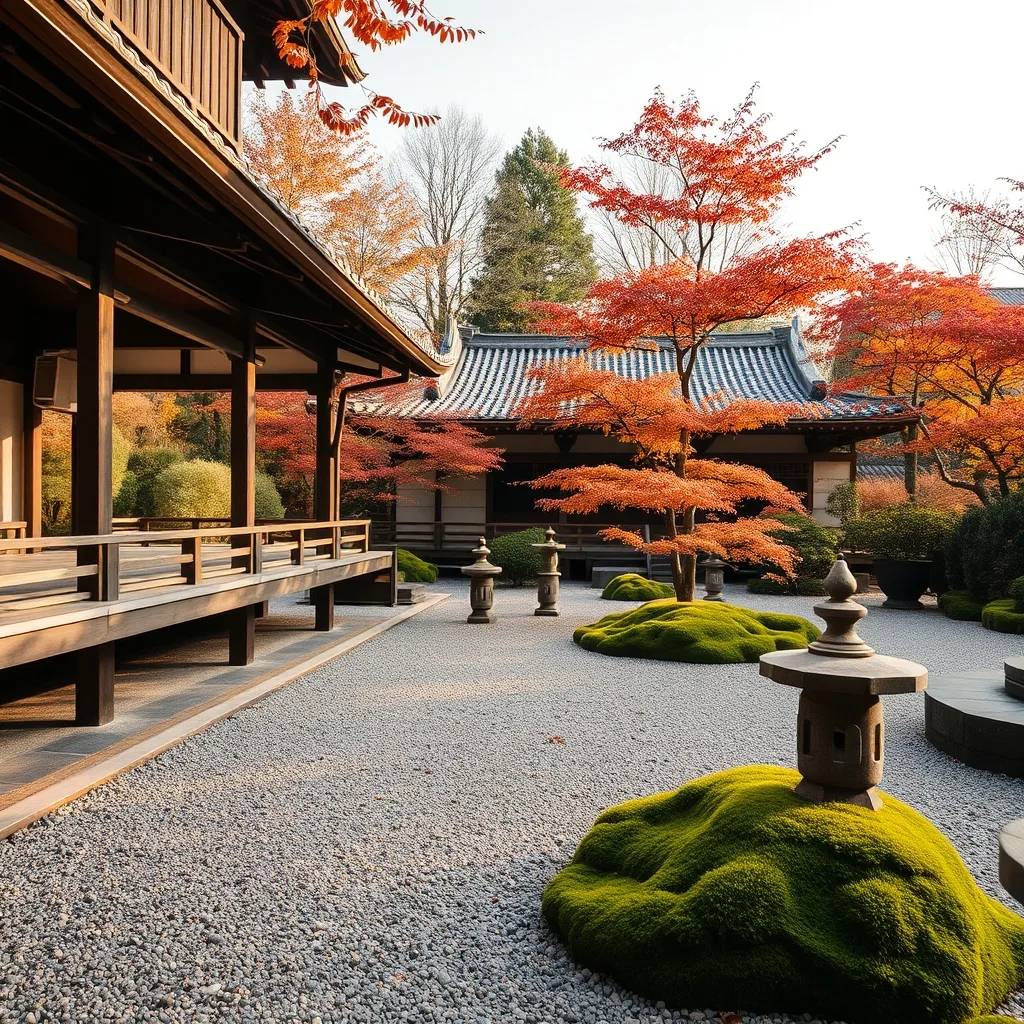
Traveling with senior parents is about sharing quiet moments—sipping warm green tea beside a moss garden, marveling at the Great Buddha of Nara, and watching Mount Fuji glide past your bullet train window. When you strip away the stress of heavy suitcases, steep stairwells, and crowded tour groups, Japan becomes an unforgettable memory for your parents.
Ready to create a custom, step-free schedule tailored to your family's pace? You can generate, customize, and export your complete custom Japan travel itinerary on NextDestination.ai to match your flights, arrange accessible bases, and download your ready-to-submit visa Schedule of Stay in seconds.