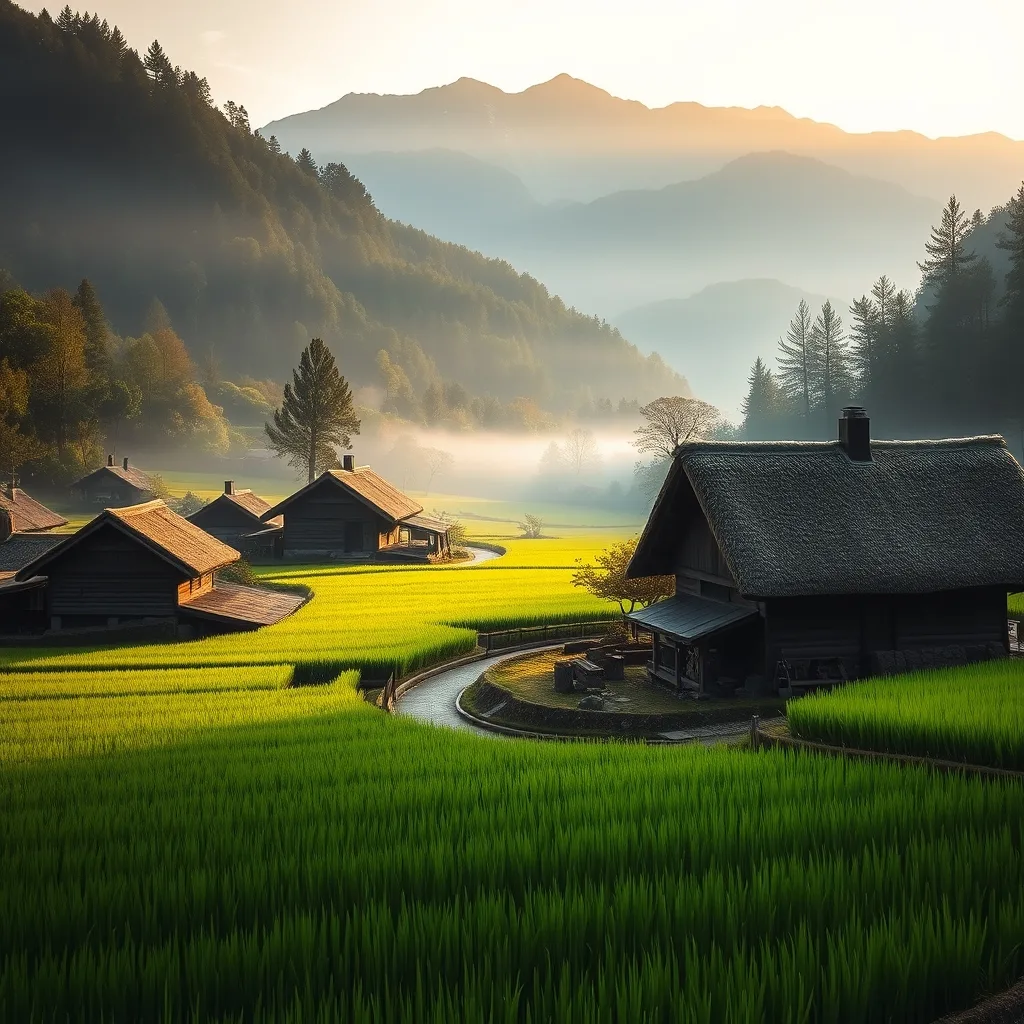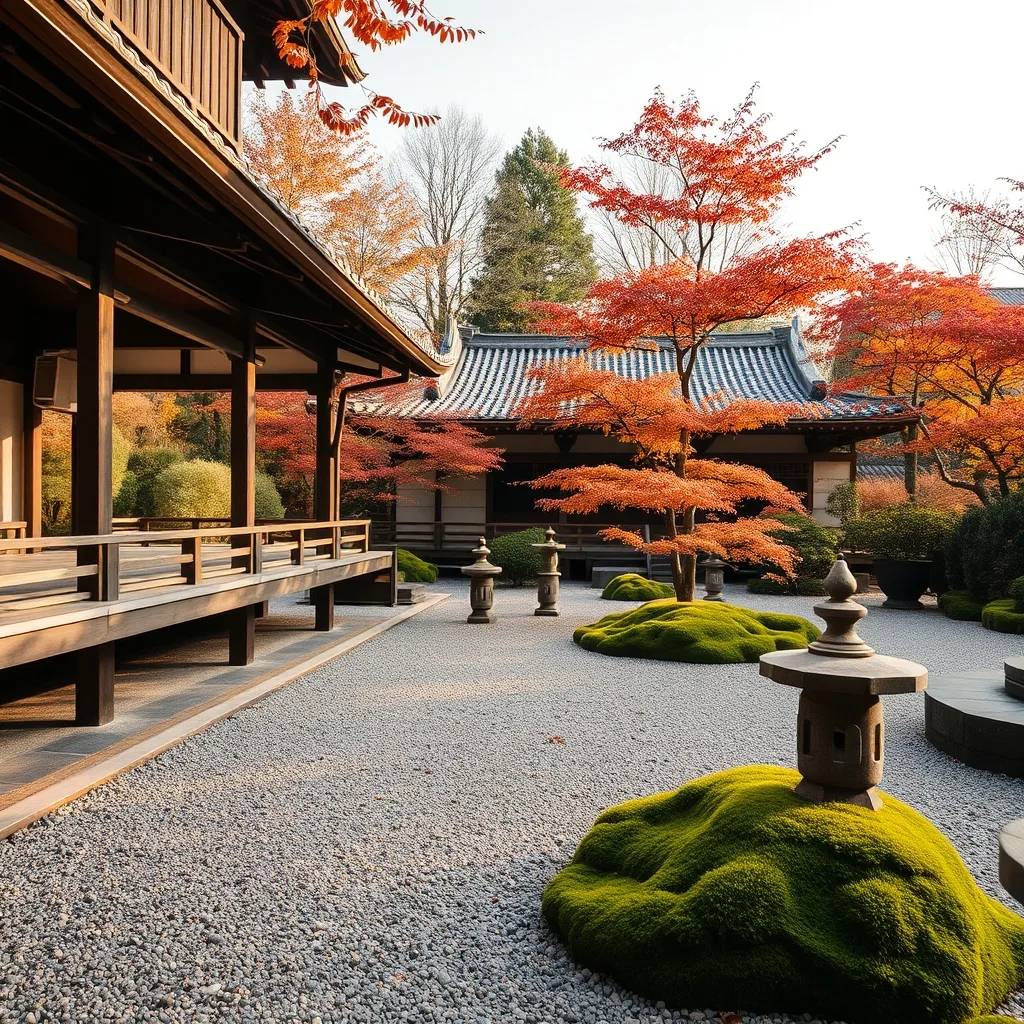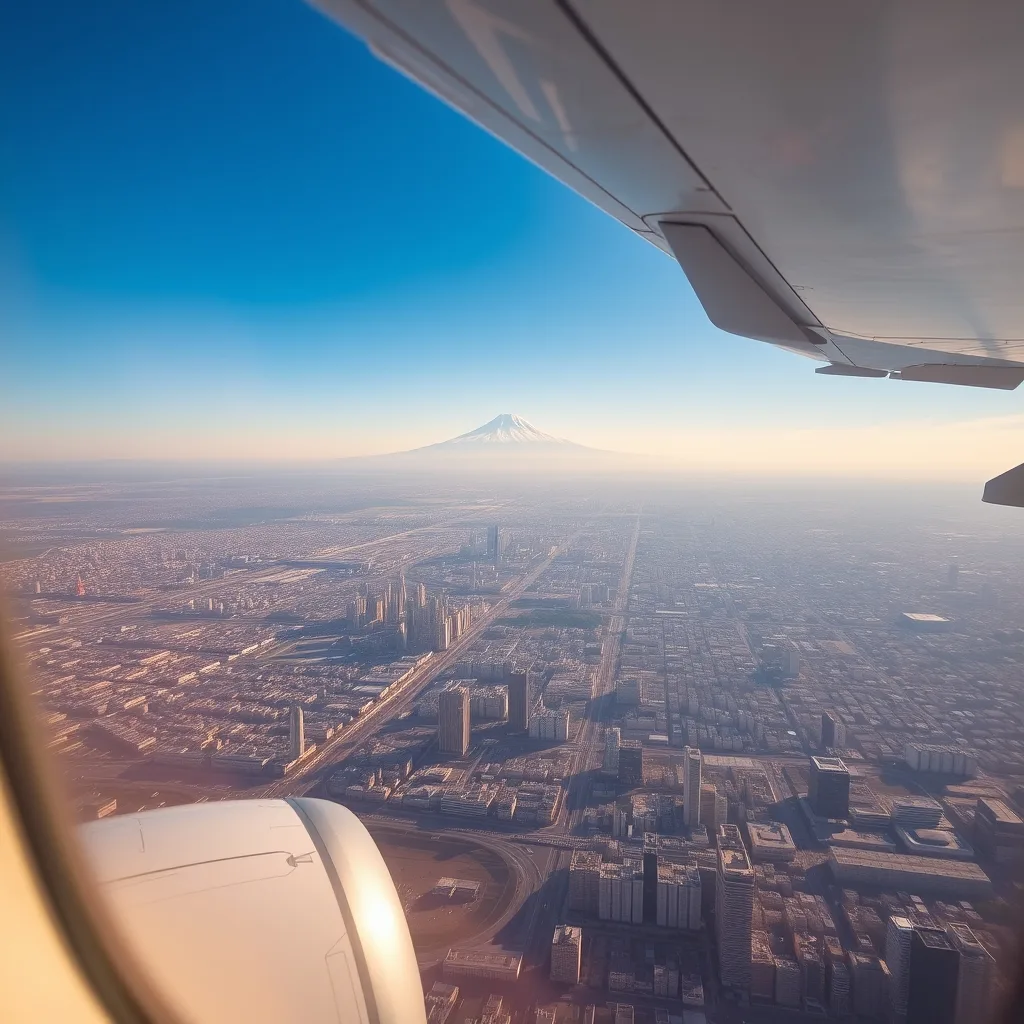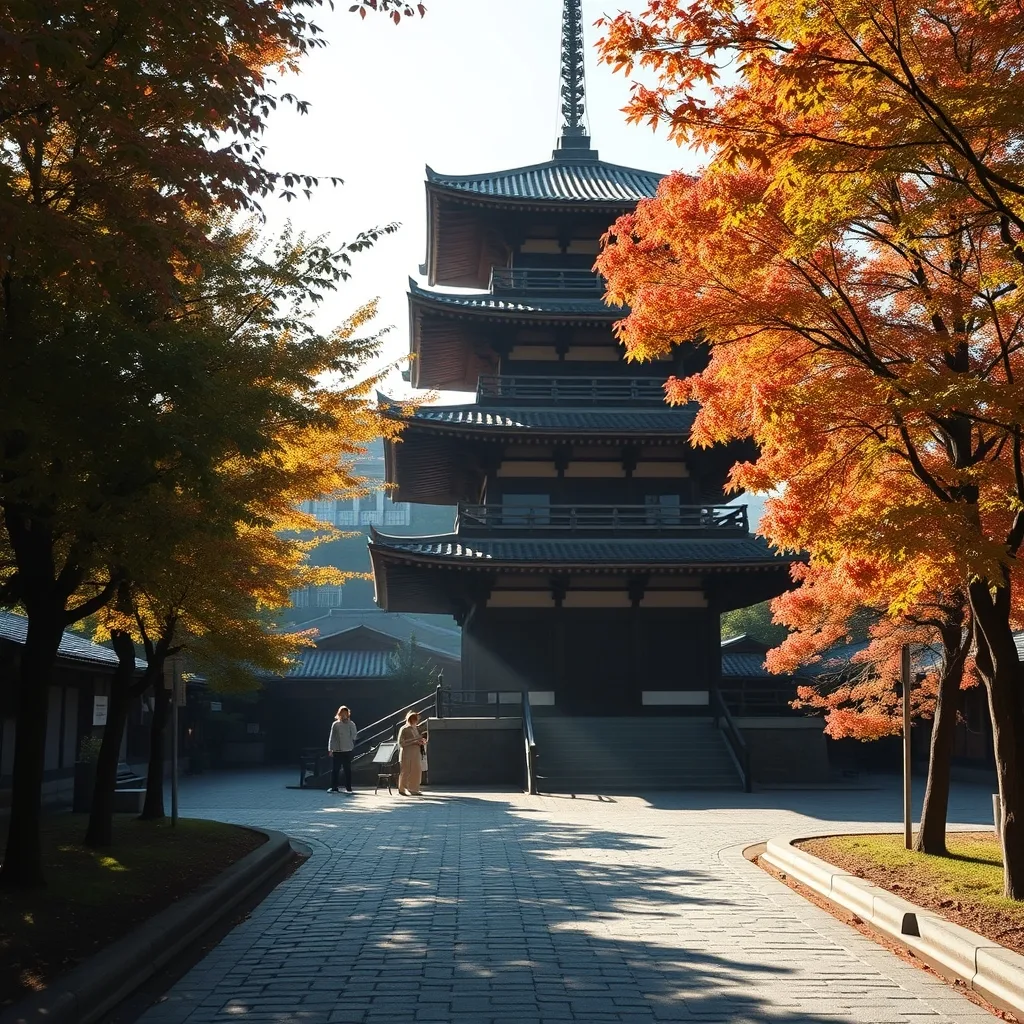
A 6-day Kansai trip from India costs approximately ₹75,000 to ₹95,000 per person, covering round-trip flights into Kansai International Airport (KIX), 5 nights in an Osaka business hotel, local trains, and daily meals. The most efficient logistical strategy for a 6-day journey is to base in Osaka for all five nights and take fast, 30-minute day trips out to Kyoto and Nara, completely eliminating the time, stress, and expense of repacking suitcases between hotels.
(All budget estimates, admission fees, and train fares in this guide reflect verified 2026 rates. Flight and hotel costs vary by booking lead time, traveling season, and departure city in India.)
For time-starved Indian professionals and solo travellers taking a week off work (spanning five working days wrapped around two weekends), Kansai is the smartest entry point into Japan. Landing directly at Osaka's Kansai International Airport (KIX) avoids the crowds and transit costs of Tokyo entirely. Because Osaka, Kyoto, and Nara sit just 30 to 45 minutes apart by frequent local express trains, you can experience historic wooden temples, neon-lit food streets, ancient deer parks, and traditional tea towns without dragging your luggage across Japan.
Below is your complete, day-by-day 6-day Kansai route, including transit options from KIX, the single-base logistical case, vegetarian food strategies, verified ₹ budget tables, and how to export this plan directly into your required Japan visa Schedule of Stay.
Why Basing in Osaka Beats Splitting Hotels
When planning an itinerary covering Osaka, Kyoto, and Nara, many first-time travellers instinctively book two nights in Osaka and three nights in Kyoto. On a tight 6-day timeline, splitting your stay creates friction that eats up half a day of your vacation.
Zero Repacking and Flexible Evenings
Checking out of an Osaka hotel at 10:00, hauling your bags through crowded transit hubs, storing luggage in coin lockers, and checking into Kyoto at 15:00 burns at least three prime sightseeing hours. By keeping a single hotel room in Osaka (preferably near Namba or Umeda), you unpack once on Day 1 and never worry about luggage logistics until your return flight.
Fast, Cheap Inter-City Rail
The transit between Osaka and Kyoto is remarkably swift:
JR Special Rapid Train: Runs from Osaka Station (Umeda) to Kyoto Station in just 28 to 30 minutes for ¥580 (≈₹320).
Hankyu Kyoto Line: Connects Osaka-Umeda to Kyoto Kawaramachi (downtown Gion) in 43 minutes for ¥410 (≈₹230).
Keihan Main Line: Links Yodoyabashi (Osaka) directly to Gion-Shijo and Fushimi-Inari in Kyoto for ¥430 to ¥490 (≈₹240–₹270).
Nara is equally accessible: the Kintetsu Nara Line Rapid Express takes you from Osaka-Namba Station straight to Kintetsu-Nara Station in just 38 minutes for ¥680 (≈₹375).
Cheaper Nightly Rates and Energetic Nights
Osaka offers significantly lower hotel room rates and a broader selection of compact business hotels (such as Toyoko Inn, Sotetsu Fresa Inn, and APA) compared to Kyoto's boutique ryokans and hotels, which carry higher seasonal surges and local lodging taxes. Furthermore, Kyoto's temple districts quiet down after 18:00, whereas Osaka's Dotonbori and Namba nightlife corridors remain buzzing well past midnight with street food stalls and convenience stores.
The Rail Pass Question: Why You Do Not Need a JR Pass
A common mistake made by Indian travelers is assuming that any trip to Japan requires buying a Japan Rail (JR) Pass.
The 7-Day National JR Pass is a Financial Loss: The national 7-day JR Pass costs ¥50,000 (≈₹27,500). Across all six days of this Kansai itinerary, your total rail spending—including the KIX airport express, two round trips to Kyoto, a round trip to Nara, and local subway rides—totals approximately ¥7,500 to ¥9,000 (≈₹4,100–₹5,000). Buying a national pass on a Kansai-only trip wastes over ₹22,000 per person. To understand the national rail mathematics, read our detailed analysis on whether the Japan Rail Pass is worth it for Indians.
The Kansai Thru Pass Has Changed: The old Kansai Thru Pass was restructured and renamed the Kansai Railway Pass Lite by its consortium (Surutto KANSAI). It now operates primarily on seasonal sale windows, excludes Kyoto City Municipal Subways and city buses, and requires digital ticketing.
The Best Solution: Point-to-Point with an ICOCA Card: Pick up an ICOCA IC Card (or Kansai One Pass for foreign tourists) at Kansai Airport. Simply tap through the gates on JR, Nankai, Hankyu, Kintetsu, and Osaka Metro lines. You pay exact fares as you ride with zero ticket queueing. If you wish to reserve a high-speed bullet train seat for a side trip, see our guide on how to book Shinkansen tickets from India.
6-Day Kansai Itinerary at a Glance
Day | Primary Focus | Key Sights & Activities | Base & Transit |
|---|---|---|---|
Day 1 | Arrival & Osaka Nights | Land at KIX, Nankai Rapi:t to Namba, Dotonbori food walk | Base: Osaka (Nankai Line) |
Day 2 | Osaka Castle & Modern Skyline | Osaka Castle, Umeda Sky Building, Shinsekai & Tsutenkaku | Base: Osaka (Osaka Metro) |
Day 3 | Historic Eastern Kyoto | Fushimi Inari Taisha, Kiyomizu-dera, Ninenzaka, Gion | Base: Osaka (Keihan / JR) |
Day 4 | Western Kyoto & Uji Matcha | Arashiyama Bamboo Grove, Tenryu-ji, Byodoin Temple in Uji | Base: Osaka (Hankyu / JR) |
Day 5 | Ancient Nara Day Trip | Nara Park deer, Todai-ji Great Buddha, Kasuga Taisha | Base: Osaka (Kintetsu Line) |
Day 6 | Kuromon Market & Departure | Kuromon souvenir shopping, Nankai Rapi:t back to KIX | Transit to KIX & Fly Home |
Interactive Route Map: You can explore, customize, and save this regional plan alongside walking directions by viewing our ready-made 4-day Osaka itinerary, or pair it with our morning tea excursion via the curated Uji matcha route.
Day-by-Day Kansai Route: Osaka, Kyoto & Nara
Day 1: KIX Arrival, Check-in at Namba, and Dotonbori Lights
Your flight touches down at Kansai International Airport (KIX). After clearing Japanese immigration and customs, cross the second-floor terminal skybridge to Kansai-Airport Station.
Transfer to Namba: Board the Nankai Electric Railway Rapi:t Limited Express, which features retro-futuristic blue carriages and reaches Namba Station in 34 minutes (¥1,490 reserved seat). Alternatively, take the Nankai Airport Express (44 minutes, ¥970) using your ICOCA card.
Check-in: Check into your hotel in Namba, Shinsaibashi, or Daikokucho. Business chains like Toyoko Inn and Sotetsu Fresa Inn offer clean, functional single and double rooms with fast Wi-Fi and complimentary morning coffee.
Evening at Dotonbori: Walk down the Dotonbori canal promenade. Marvel at the giant mechanical crab at Kani Doraku and snap the iconic photo with the illuminated Glico Running Man signboard. Enjoy street snacks like piping-hot takoyaki (octopus batter balls) or vegetarian-friendly cheese gyoza and edamame.
Day 2: Historic Osaka Castle, Umeda Architecture, and Shinsekai
Dedicate your second day to exploring the dual historic and futuristic facets of Osaka.
09:00 — Osaka Castle & Park: Take the Osaka Metro to Tanimachi 4-chome Station. Walk through the monumental stone ramparts and moat of Osaka Castle Park. The reconstructed castle tower museum (¥600, open 09:00–17:00) offers an observation deck with sweeping views over the surrounding parkland.
13:00 — Umeda Sky Building: Ride the Midosuji subway line north to Umeda. Walk to the Umeda Sky Building and ascend to the Kuchu Teien (Floating Garden) Observatory (¥2,000, open 09:30–22:30). The open-air circular roof bridge suspended 173 meters above ground gives an unobstructed panoramic vista across Osaka Bay and the Yodo River.
17:30 — Shinsekai Retro District: Head south to Shinsekai ("New World"), constructed in 1912 around the Tsutenkaku Tower. The neighborhood is filled with vibrant retro neon lanterns and traditional kushikatsu eateries. If traveling with younger travelers or family, review our specialized guide on where to stay in Osaka with kids.
Day 3: Kyoto's Ancient East — Fushimi Inari, Kiyomizu-dera & Gion
Start early to beat the crowds in Japan's cultural capital. From Osaka's Yodoyabashi or Kyobashi stations, take the Keihan Main Line Express directly into Kyoto.
07:30 — Beat the Crowds at Fushimi Inari Taisha: Alight at Fushimi-Inari Station before tour buses arrive. Dedicated to the Shinto deity of rice and agriculture, the shrine's path is lined with thousands of vermilion torii gates stretching up Mount Inari (grounds open 24/7, admission free). Hike the first 15 to 20 minutes up to the Yotsutsuji intersection for breathtaking views over southern Kyoto, then head back down before mid-morning foot traffic peaks.
10:30 — Kiyomizu-dera Temple: Ride the Keihan Line to Kiyomizu-Gojo Station and walk up the gentle incline to Kiyomizu-dera (¥400, open from 06:00 to 18:00). Its massive wooden veranda was constructed without a single nail and cantilevers dramatically over a hillside of maple trees. Walk down through the historic flagstone alleys of Sannenzaka and Ninenzaka, stopping for green tea soft serve and handcrafted pottery.
15:30 — Gion and Hanami-koji: Continue down into Gion, Kyoto's celebrated geisha quarter. Wander down Hanami-koji street, admiring preserved wooden machiya townhouses and lantern-lit tea halls. For travelers seeking a deeper stay in the old capital, see our neighborhood comparison on where to stay in Kyoto for first timers.
19:00 — Return to Osaka: Board the Keihan train back to Osaka for dinner near Namba.
Day 4: Arashiyama Bamboo Grove and Uji Matcha Heritage
This day balances western Kyoto's bamboo forests with the southern historic tea district of Uji.
08:00 — Arashiyama Bamboo Forest: From Osaka-Umeda, take the Hankyu Kyoto Line to Katsura, transfer to the Hankyu Arashiyama Line, and arrive at Arashiyama Station (≈45 minutes total). Step into the soaring green stalks of the bamboo grove in early morning serenity.
09:30 — Tenryu-ji Temple Gardens: Walk into the UNESCO-listed Tenryu-ji Zen Temple (¥500 garden admission, opens 08:30). Its 14th-century landscape pond garden borrows the Arashiyama mountain ridge into its composition. Stroll across the scenic Togetsukyo wooden bridge over the Oi River.
13:00 — Excursion to Uji: Board the JR San-in Line to Kyoto Station, then transfer to the JR Nara Line to Uji (≈20 minutes). Uji is Japan's historic green tea capital. Visit the UNESCO-listed Byodoin Temple (grounds ¥600, opens 08:30), the 11th-century Phoenix Hall depicted on the back of the 10-yen coin. Walk down Byodoin Omotesando to sample authentic ceremonial matcha, matcha parfaits, and matcha soba noodles. You can view the full walking circuit in our in-depth Uji matcha morning itinerary.
18:00 — Return to Osaka: Ride the JR Nara Line back to Kyoto or take Keihan from Uji back into central Osaka.
Day 5: Ancient Nara Park, Todai-ji & Free-Roaming Deer
Nara was Japan's first permanent capital (710–784 AD) and offers a tranquil contrast to Osaka's urban buzz.
08:30 — Train to Kintetsu-Nara: Board the Kintetsu Nara Line Rapid Express from Osaka-Namba Station directly to Kintetsu-Nara Station (38 minutes, ¥680). Kintetsu-Nara Station is located significantly closer to the parks and temples than JR Nara Station.
09:30 — Nara Park Deer Encounters: Walk into the sprawling parklands of Nara Park, home to over 1,200 wild, free-roaming sika deer considered sacred messengers of the Shinto gods. Buy a pack of deer crackers (shika senbei, ¥200); gently bow to a deer, and it will bow its head in return before receiving the treat.
10:45 — Todai-ji Temple (Great Buddha Hall): Enter the monumental Nandaimon Gate, flanked by two towering 8-meter Kongo Rikishi guardian statues, and approach Todai-ji (¥800, opens 07:30 or 08:00). Stand in awe inside one of the world's largest wooden buildings, which houses the Daibutsu—a colossal 15-meter bronze Buddha cast in 752 AD.
14:00 — Kasuga Taisha Shrine: Wander further into the wooded hillside along stone-lantern-lined forest paths toward Kasuga Taisha (shrine grounds free, inner sanctuary ¥500), famous for its bronze lanterns and moss-covered stone shrines.
17:00 — Return to Osaka: Take the Kintetsu train back to Namba. Spend your final evening shopping for skincare, Japanese confectionery, and souvenirs along the covered Shinsaibashi-suji shopping arcade. If you wish to extend your journey to western Japan, check our guide on planning a Hiroshima day trip from Osaka.
Day 6: Kuromon Market Delights and Return Transit to KIX
Maximize your final hours before heading to the airport.
Morning at Kuromon Ichiba Market: Known as "Osaka's Kitchen," this lively covered market has operated for over 190 years. Browse stalls offering fresh seasonal strawberries, roasted sweet potatoes, mochi skewers, and authentic Japanese kitchenware.
Transit Back to KIX: Return to your hotel to collect your luggage, walk to Namba Station, and board the Nankai Rapi:t (34 minutes, ¥1,490) or Airport Express (44 minutes, ¥970) straight to Kansai International Airport. Check in for your flight home to India.
Estimated 6-Day Kansai Budget from India
Here is a realistic, itemized cost estimate for an Indian traveler completing this 6-day Kansai itinerary.
Expense Category | Estimated Cost (₹) | Estimated Cost (¥) | Notes & Money-Saving Advice |
|---|---|---|---|
International Flights (Return) | ₹38,000 – ₹48,000 | ≈ ¥68,000 – ¥86,000 | Round-trip India to KIX (1-stop via Singapore, Bangkok, or Hanoi) |
Accommodation (5 Nights) | ₹20,000 – ₹30,000 | ≈ ¥36,000 – ¥54,000 | Clean business hotel (Toyoko Inn / Sotetsu Fresa Inn near Namba) |
Local Transit & KIX Trains | ₹4,500 – ₹5,500 | ≈ ¥8,000 – ¥10,000 | Nankai Rapi:t, JR Special Rapids, Kintetsu lines, and Osaka Metro |
Sightseeing Admissions | ₹2,500 – ₹3,500 | ≈ ¥4,500 – ¥6,300 | Osaka Castle, Umeda Sky, Kiyomizu-dera, Byodoin, Todai-ji |
Daily Meals & Snacks | ₹12,000 – ₹18,000 | ≈ ¥22,000 – ¥33,000 | ₹2,000–₹3,000/day for casual dining, ramen, and conbini breakfasts |
Visa Fee & e-SIM Data | ₹2,500 | ≈ ¥4,500 | ₹500 consular visa + ₹800 VFS handling + ₹1,200 10GB e-SIM |
Total Estimated Spend | ₹79,500 – ₹1,07,500 | ≈ ¥143,000 – ¥193,800 | Approximate ranges; varies by season, flight sale, and room choice |
Tip: If traveling as a couple or pair of friends sharing a twin or double room, accommodation costs drop to roughly ₹10,000 to ₹15,000 per person, bringing the total trip cost down to approximately ₹72,000 to ₹90,000 per person.
Vegetarian and Indian Food in Kansai
Dining as a vegetarian in Japan requires practical awareness because traditional Japanese dashi broth is typically prepared from bonito fish flakes (katsuobushi). Fortunately, Osaka and Kyoto possess some of the best vegetarian-friendly infrastructure in the country.
Indian Restaurants in Osaka and Kyoto
When craving comforting Indian flavors, both cities offer authentic options:
Osaka (Namba & Shinsaibashi): Visit Ali's Kitchen (famous for halal Pakistani and North Indian curries), Shama Vegetarian Indian Restaurant, or Chandi near Kitahama.
Kyoto (Downtown & Station): Stop by Tadka near Karasuma Oike (acclaimed for South Indian dosas and vegetarian thalis) or Ashoka on Shijo Street.
Authentic Japanese Vegetarian Dining
Shojin Ryori in Kyoto: Japanese Buddhist temple vegetarian cuisine (shojin ryori) is completely plant-based, using tofu, seasonal mountain vegetables, mushrooms, and seaweeds. Book lunch at Shigetsu inside Tenryu-ji Temple in Arashiyama for an unforgettable culinary experience overlooking traditional Zen gardens.
Convenience Store Staples: When on the move, 7-Eleven, FamilyMart, and Lawson provide reliable vegetarian choices: seaweed onigiri (kombu), pickled plum onigiri (umeboshi), salted edamame, vegetable salads with sesame dressing, and warm roasted sweet potatoes (yaki-imo).
For curated restaurant addresses, dining phrases, and menu translations, consult our dedicated guide to vegetarian food in Kyoto and Osaka.
Frequently Asked Questions
Is 6 days enough for Osaka, Kyoto, and Nara?
Yes. Six days is the ideal duration for a focused Kansai exploration. By using Osaka as your single hub and traveling 30 to 40 minutes on local express trains, you can enjoy two full days in Osaka, two days in Kyoto, and a dedicated day in Nara without rushing.
Is Kansai Airport (KIX) cheaper to fly into than Tokyo from India?
Often, yes. Full-service carriers and budget airlines connecting via Southeast Asian hubs (such as VietJet via Hanoi/Ho Chi Minh City, AirAsia via Kuala Lumpur, and Scoot via Singapore) frequently run promotional fares into Osaka KIX starting between ₹36,000 and ₹44,000 return.
Should I stay in Kyoto or Osaka?
For a 6-day trip, staying in Osaka is logistically superior. Osaka hotels offer better value, greater late-night dining convenience, and direct airport express train links to KIX. Commuting to Kyoto takes just 28 minutes on the JR Special Rapid train, making day trips effortless.
Can I add Hiroshima to this 6-day itinerary?
While technically possible via a 90-minute Shinkansen ride from Shin-Osaka, adding Hiroshima compresses your time in Kyoto and Nara. We recommend saving Hiroshima for an 8-to-10-day trip unless you are willing to substitute your day in Nara.
How do I use this itinerary for my Japan visa application?
The Japanese Embassy and VFS Global require Indian applicants to submit a day-by-day Schedule of Stay (滞在予定表) detailing dates, activities, hotel addresses, and contact numbers. This 6-day route maps directly into the official template. Simply list your Osaka hotel for all five nights, write your planned day visits in the activity column, and attach your confirmed hotel reservation.
Build Your Custom Kansai Itinerary
Ready to finalize your Japanese journey? Instead of manually copying train timetables and calculating transit stops, you can generate a personalized, dated itinerary in seconds.
Use our intelligent trip builder to create your custom Kansai travel itinerary on NextDestination.ai—adjust day pacing, discover nearby attractions, view step-free transit routes, and export a consulate-compliant Schedule of Stay PDF directly for your Japan visa submission.