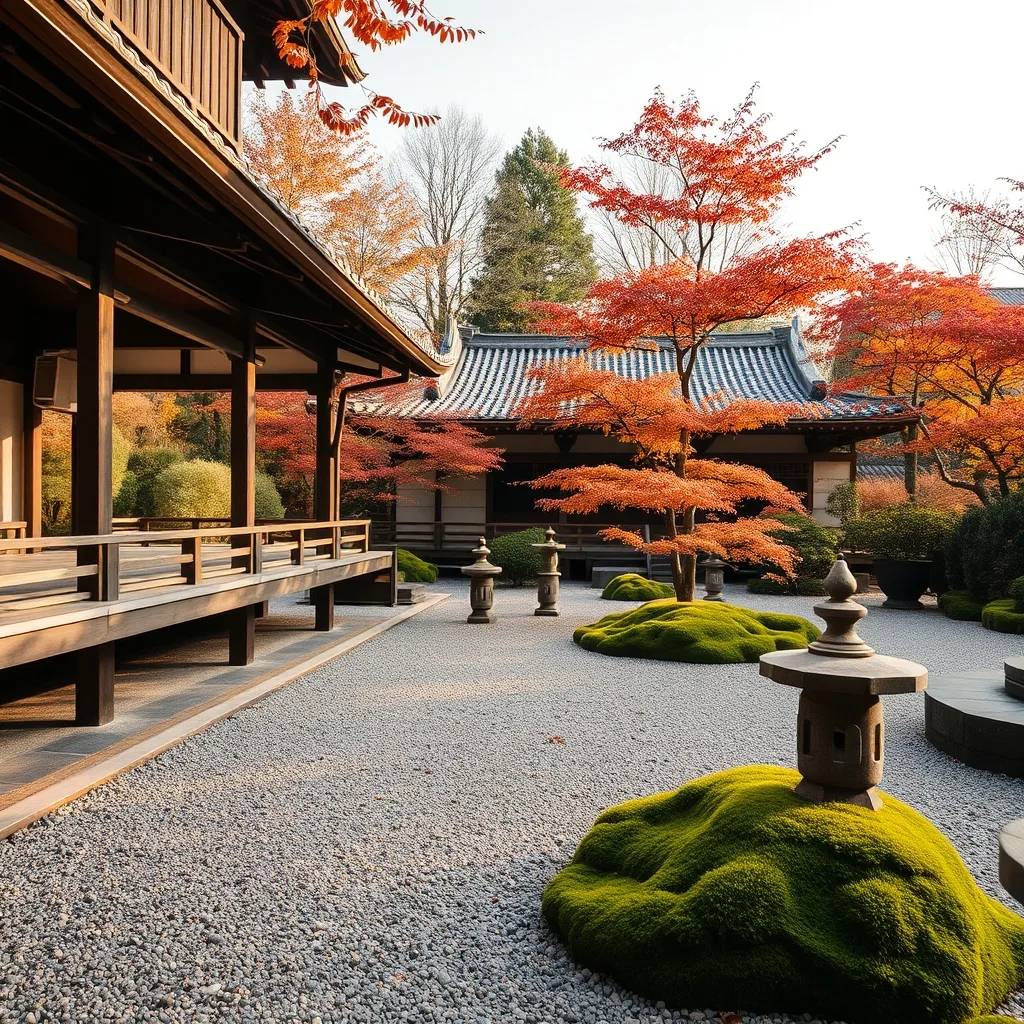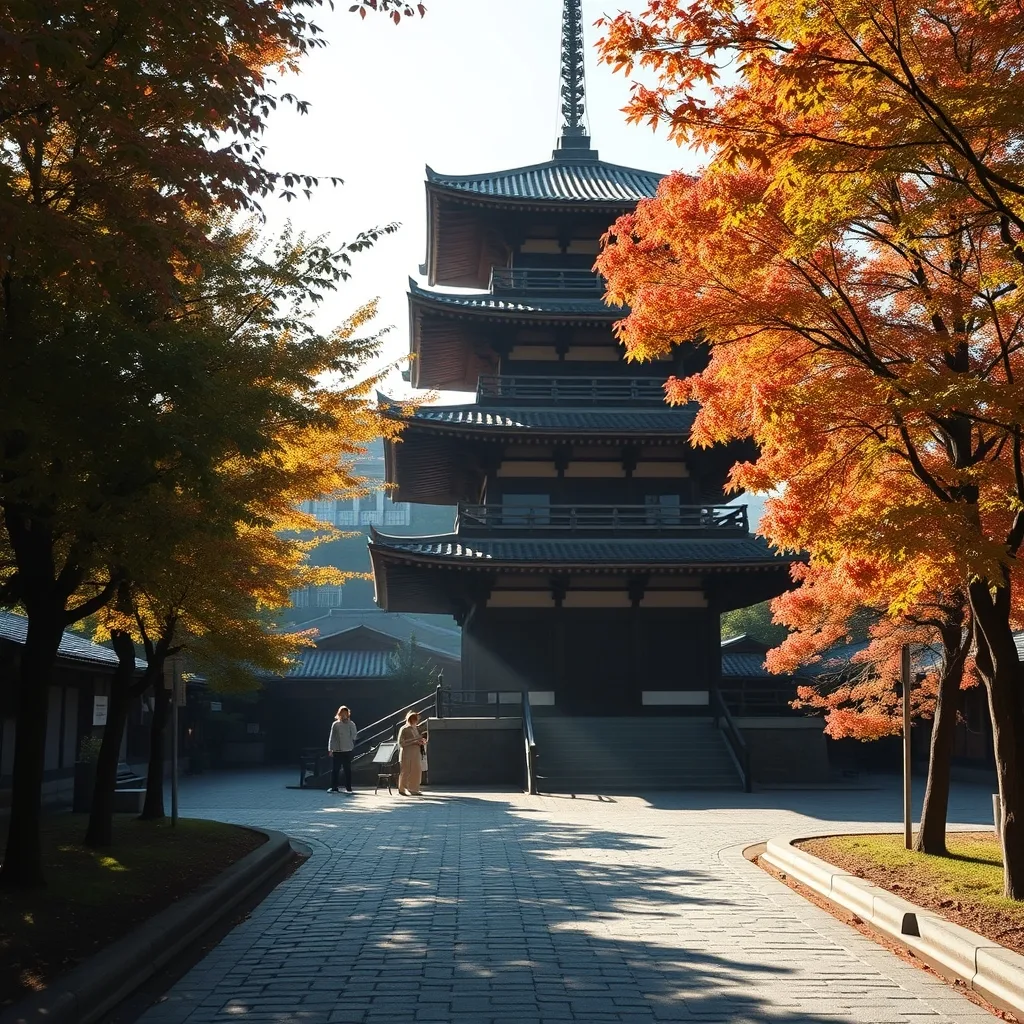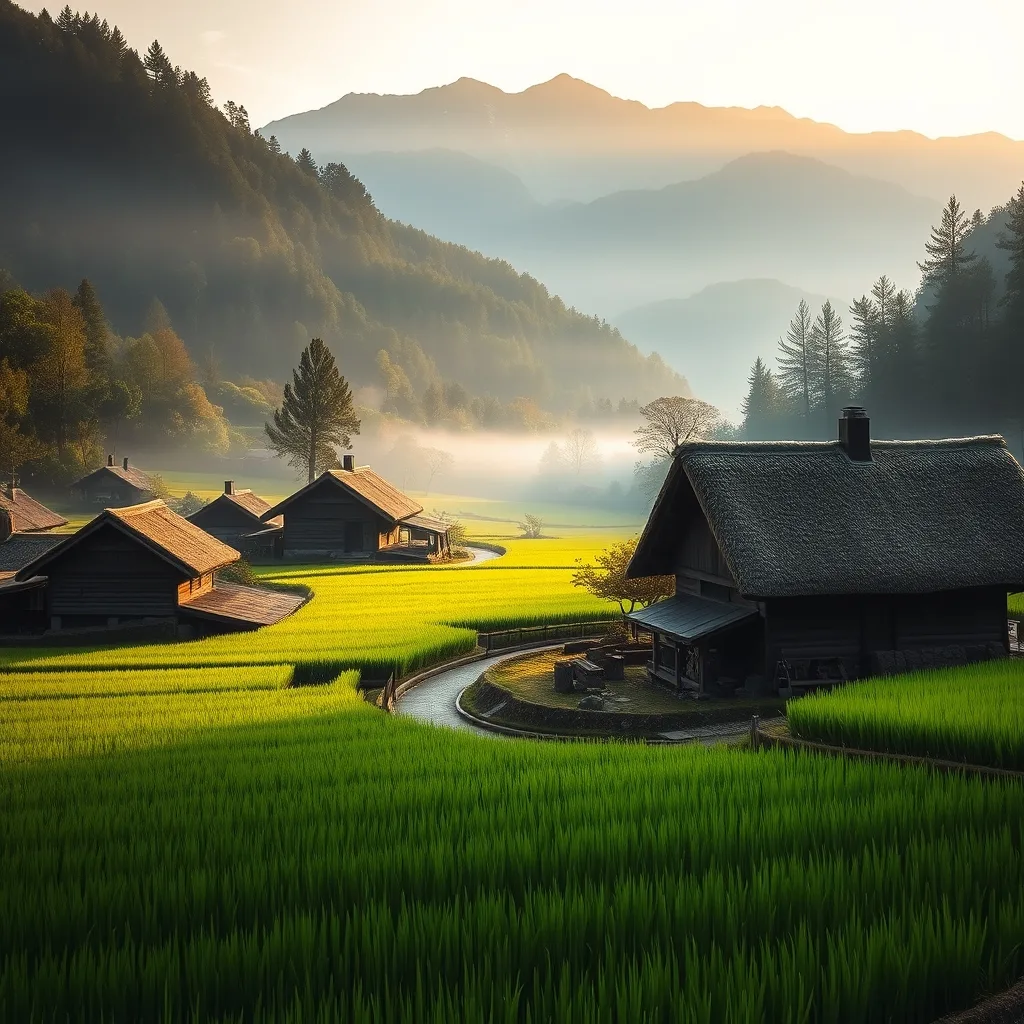
A Takayama, Shirakawa-go, and Kanazawa itinerary takes 3 nights (4 days), slots directly between Tokyo and Kyoto on a 13-day trip from India (costing ≈₹78,800 to ₹1,08,100 per couple all-in), and hinges on one booking you must make a month before departure: reserving your Nohi Bus coach seats through Shirakawa-go, because the village has no train station and the nationwide JR Pass does not cover the bus.
(All fares, pass prices, and ₹ conversions in this guide are verified against operator rate tables as of 2026 at ≈¥1 = ₹0.56. Prices and journey times are approximate and vary by season, booking window, and timetable revisions.)
In our 10-day Japan itinerary for first-timers, we explicitly advise cutting the Japanese Alps because squeezing five hotel bases into ten days turns a holiday into a luggage marathon. Even our 14-day Japan itinerary from India stays along the classic Tokyo–Hakone–Kyoto–Osaka corridor for families who prefer fewer train transfers.
When you have 13 days as a couple, however, the math changes completely. By inserting three nights across Kanazawa (2 nights) and Takayama (1 night) with a half-day stopover in UNESCO-listed Shirakawa-go, you trade crowded city boulevards for Edo-period samurai districts, thatched-roof gassho-zukuri farmhouses, and mountain cedar inns—without backtracking a single kilometer.
Which Direction to Route the Alps Leg: Kanazawa-First vs Takayama-First
Most couples planning this loop get stuck on whether to enter the Alps via Nagoya (Takayama-first) or via the Hokuriku coast (Kanazawa-first). Both work cleanly between Tokyo and Kyoto, but they use different trains and change how you pay for your tickets.
Option A: Tokyo → Kanazawa → Shirakawa-go → Takayama → Nagoya → Kyoto (Best for Point-to-Point Booking)
If you want the fastest, simplest booking flow from India without buying a regional rail pass, run the route north-to-south:
Ride the direct Hokuriku Shinkansen (Kagayaki or Hakutaka) from Tokyo Station to Kanazawa Station (≈2 hours 30 minutes, ≈¥14,380 / ₹8,050 per person).
Spend 2 nights in Kanazawa, then take the morning reserved highway coach to Shirakawa-go (75–85 minutes, ¥2,800), store your bags at the terminal, explore the village for 4 hours, and board the afternoon coach to Takayama (50 minutes, ¥2,800).
Spend 1 night in a Takayama ryokan, then take the scenic JR Limited Express Hida down through the river gorges to Nagoya (≈2 hours 25 minutes, ≈¥6,340) and hop a 34-minute Tokaido Shinkansen into Kyoto (≈¥5,910).
Option B: Tokyo → Nagoya → Takayama → Shirakawa-go → Kanazawa → Tsuruga → Kyoto (Best for the Regional Pass)
If you want to use the 5-day Takayama-Hokuriku Area Tourist Pass (¥19,800 per adult, or ≈₹11,100), run the loop south-to-north starting at Nagoya:
Buy a single Tokaido Shinkansen ticket from Tokyo to Nagoya (≈1 hour 40 minutes, ≈¥11,300; not covered by the regional pass).
Activate your 5-day pass at Nagoya Station to board the JR Limited Express Hida to Takayama (covered).
Continue by Nohi Bus from Takayama → Shirakawa-go → Kanazawa (both coach legs are covered by the pass).
Travel from Kanazawa to Kyoto on the Hokuriku Shinkansen to Tsuruga Station (≈45–55 minutes) and transfer across the concourse to the JR Limited Express Thunderbird into Kyoto (≈55 minutes)—both covered by the pass. (Note: Since the Hokuriku Shinkansen extended from Kanazawa to Tsuruga, the Thunderbird no longer runs directly out of Kanazawa; all Kyoto-bound rail passengers make this quick transfer at Tsuruga.)
Tip: Whichever direction you choose, you can inspect how the three mountain towns connect on a map using our curated 3-day Shirakawa-go, Takayama, and Kanazawa itinerary and merge those days directly into a broader 10-day Tokyo and Kyoto route.
The Pass Math & the Nohi Bus Reservation Catch
Before you buy a rail pass, verify the current numbers. As we proved in our is the Japan Rail Pass worth it for Indians guide, the ¥50,000 nationwide 7-day JR Pass loses money on a standard Golden Route trip—and it is an even worse trap here because the nationwide JR Pass does not cover the Nohi Bus or Hokutetsu highway coaches into Shirakawa-go.
Rail Pass vs Point-to-Point Comparison (2026 Rates)
The table below compares your three ticketing options for the Alps insert between Tokyo and Kyoto using verified fares from the official Takayama-Hokuriku Area Tourist Pass portal and the Nohi Bus Shirakawa-go route & fare table:
Ticket Option | 2026 Adult Cost (Per Person) | What It Covers on This Route | Verdict for Indian Couples |
|---|---|---|---|
Point-to-Point Tickets (Kanazawa-First) | ≈¥32,230 (≈₹18,050) total from Tokyo to Kyoto | Hokuriku Shinkansen (Tokyo–Kanazawa), both Nohi/Hokutetsu bus legs (¥2,800 + ¥2,800), Hida Express (Takayama–Nagoya), Shinkansen (Nagoya–Kyoto). | Best for hassle-free online booking. Lets you lock in reserved bus seats online from India 1 month out. |
Takayama-Hokuriku Area Tourist Pass (5 Days) | ¥19,800 (≈₹11,100) + ≈¥11,300 Tokyo–Nagoya Shinkansen = ≈¥31,100 (≈₹17,400) | Nagoya–Takayama (Hida), Takayama–Shirakawa-go–Kanazawa coaches, Kanazawa–Tsuruga–Kyoto–Osaka–KIX trains, plus up to 6 free reserved-seat train bookings. | Best if continuing to Osaka/KIX within 5 days, saving ≈¥2,000–¥5,000 per person—but read the phone reservation rule below. |
7-Day Nationwide JR Pass | ¥50,000 (≈₹28,000) + ¥5,600 (≈₹3,150) extra for buses | Covers JR trains and Shinkansen (excluding Nozomi without a surcharge), excludes the Takayama–Shirakawa-go–Kanazawa highway coaches. | Skip. Costs ≈₹13,000 more per person than point-to-point tickets and still forces you to buy separate bus tickets. |
The Nohi Bus Reservation Rule Every Blog Misses
Shirakawa-go has no railway access; every visitor arrives by coach into the Shirakawa-go (Ogimachi) Bus Terminal. According to the Nohi Bus Shirakawa-go timetable, every single bus operating between Shirakawa-go and Kanazawa is marked R (Reservation Required). Between Takayama and Shirakawa-go, peak morning departures (07:20, 07:50, 08:10, 09:35) also require advance seat reservations, while a handful of departures (such as 08:50 and 10:50) run non-reserved on a first-come, first-served basis.
Here is the operational catch documented on the official Nohi Bus FAQ that catches tourists off guard:
If you buy point-to-point bus tickets (¥2,800 per leg): You can book your exact coach seats online from India 1 month before travel (opening at 09:00 JST) on the Japan Bus Online reservation portal and pay immediately with an Indian Visa or Mastercard.
If you hold the Takayama-Hokuriku Area Tourist Pass: The Nohi Bus FAQ states plainly that online reservations are not available for pass holders, because the booking portal requires immediate full-fare payment at checkout. To reserve a covered bus seat with the pass before landing in Japan, you must telephone the Nohi Bus Reservation Center at
+81-577-32-1688(open 09:00–17:00 JST) or the Hokuriku Railroad Reservation Center (+81-76-234-0123, 09:00–18:00 JST), quote your pass, and then pick up the paper seat ticket at the bus counter before boarding.
Tip: If you do not want to make an international phone call to Gifu Prefecture at 05:30 IST, either skip the pass and book point-to-point online via Japan Bus Online, or buy the pass and pay the ¥2,800 (≈₹1,570) Shirakawa-go–Kanazawa bus fare out of pocket online so your bottleneck seat is guaranteed.
How the 4-Day Alps Leg Slots Into a 13-Day Trip From India
Below is the exact day-by-day sequence showing how Days 6 through 9 slot between your Tokyo stay (Days 1–5) and your Kyoto/Osaka finish (Days 9–13). This dated table also doubles as the middle block of your VFS Schedule of Stay—see our Japan visa itinerary sample for Indian applicants for the full embassy format.
Days 1–5: Tokyo & a Day Trip (5 Nights in Tokyo)
Land at Haneda or Narita from Delhi, Mumbai, or Bengaluru, clear immigration, and spend five nights in Tokyo. Before Day 6, forward your large check-in suitcases straight from your Tokyo hotel desk to your Kyoto hotel (or to Kanazawa if you prefer) using Yamato Transport—our Japan luggage forwarding (Takkyubin) guide explains how to ask your hotel reception to hold bags for 3 days so you travel through the Alps with only a cabin backpack.
Day 6: Tokyo to Kanazawa — Kenroku-en & Higashi Chaya (Night 1 in Kanazawa)
08:30 – 11:00: Board the Hokuriku Shinkansen Kagayaki from Tokyo Station to Kanazawa Station (≈2 hours 30 minutes). See our how to book Shinkansen tickets from India guide for booking reserved seats.
11:30: Drop your daypack at a hotel near Kanazawa Station (such as Hotel Intergate Kanazawa or Hyatt Centric Kanazawa) or inside the station coin lockers.
13:00: Stroll through Kenroku-en, one of Japan's three great landscape gardens (¥320 adult admission), and cross the bridge to Kanazawa Castle Park.
16:00: Walk across the Asano River into the Higashi Chaya District, where preserved wooden geisha teahouses glow under warm lanterns at dusk and shops sell soft-serve ice cream topped with edible Kanazawa gold leaf.
Day 7: Kanazawa — Samurai Lanes, Contemporary Art & Artisan Crafts (Night 2 in Kanazawa)
09:30: Explore the earthen-walled lanes of the Nagamachi Samurai District, stepping inside the restored Nomura-ke Samurai Residence (¥550) to see its indoor stream and Edo-period armor.
12:00: Lunch in Nagamachi or around Omicho Market (see the vegetarian survival section below for exact plant-based and Indian stops).
14:00: Visit the 21st Century Museum of Contemporary Art (book a timed slot online for Leandro Erlich's Swimming Pool installation) or tour the ninja-proof hidden staircases at Myoryu-ji (Ninjadera) temple (advance telephone reservation required upon arrival in Kanazawa).
Day 8: Kanazawa → Shirakawa-go (4-Hour Stopover) → Takayama (Night 3 in Takayama)
08:10 or 08:40: Depart Kanazawa Station West Gate (Bus Stop No. 2) on your pre-booked Hokutetsu/Nohi highway coach, arriving at Shirakawa-go (Ogimachi) Bus Terminal at 09:25 or 10:05 (fare: ¥2,800).
09:30: Store your overnight bags in the coin lockers or the staffed baggage overflow room inside the Shirakawa-go bus terminal (≈¥500–¥1,000 per piece).
09:45 – 13:30: Ride the 5-minute shuttle bus from behind the terminal up to the Shiroyama Tenshukaku Observation Deck for the panoramic view over all 114 thatched-roof gassho-zukuri farmhouses. Walk down into the village to step inside the 300-year-old Wada-ke House (1 minute from the bus terminal, where the upper attic displays Edo-period silkworm farming tools) or Kanda-ke House (where herb tea is boiled over a live irori open hearth).
13:50 or 14:45: Board your afternoon Nohi Bus from Shirakawa-go to Takayama Bus Terminal, arriving at 14:40 or 15:35 (fare: ¥2,800).
15:45: Check into a traditional Takayama ryokan or machiya inn (such as Oyado Koto No Yume or Takayama Ouan), soak in the mountain spring baths, and stroll the quiet wooden merchant streets of Sanmachi Suji.
Tip: Nohi Bus warns on its official route page that portable power banks (mobile batteries) must be kept inside the passenger cabin within your line of sight and are strictly prohibited inside the under-bus luggage trunk. Also note that local buses around Takayama do not accept Suica, PASMO, or credit cards on board—carry ¥1,000 notes and coins.
Day 9: Takayama Morning Markets → Nagoya → Kyoto (Join Days 9–13 in Kansai)
08:00: Walk the Miyagawa Morning Market along the riverfront and the Jinya-mae Morning Market in front of the historic Takayama Jinya (the only surviving Edo-period shogunate government outpost in Japan). Pick up fresh local apples, roasted chestnut snacks, and mountain pickles.
11:30: Board the wide-window JR Limited Express Hida (the modern HC85 hybrid trainset) from Takayama Station down through the Hida River gorge to Nagoya Station (≈2 hours 25 minutes), then connect onto the Tokaido Shinkansen to arrive in Kyoto by mid-afternoon for Days 9–13 of your trip.
(Travelling in January? Do not use the standard daytime bus timetable for the Sunday night illuminations. The winter light-up enforces a strict advance lottery and special charter tickets—read our dedicated Shirakawa-go Winter Light-Up 2027 reservation guide instead.)
Surviving "Hida Beef Country" as an Indian Vegetarian
Our vegetarian food in Japan survival guide covers Tokyo, Kyoto, and Osaka, where dedicated vegan ramen counters and Indian kitchens sit in every major ward. Once you enter Gifu Prefecture (Takayama and Shirakawa-go), the culinary landscape shifts: Takayama's entire tourist food economy revolves around Hida beef skewers, beef sushi, and bonito-broth (katsuo dashi) mountain soba.
If you or your partner eat pure vegetarian or Jain food, do not wing meals in the Alps. Use this verified three-town dining plan:
1. Kanazawa: Macrobiotic Set Meals, DIY Sushi & Reliable Indian Backup
Kanazawa is the easiest of the three towns for vegetarians:
Aashirwad (near Nagamachi Samurai District): A long-running Indian and Nepalese kitchen a short walk from the samurai lanes serving authentic dal tadka, paneer curries, and fresh tandoori naan—where the staff clearly understands strict Indian vegetarian and no-egg requests.
Kenko Shokukobo Takano: A serene plant-based and macrobiotic restaurant serving seasonal Japanese vegetable trays and sprouted brown rice with zero meat, fish stock, eggs, or dairy.
COIL (Hakomachi near Omicho Market): A modern "build-your-own hosomaki" sushi restaurant where you select six fillings on a tablet—choose avocado, cucumber, natto, umeboshi plum, and pickled radish (takuan) and roll them at your table with nori sheets.
Curbside Treats: Gold-leaf soft-serve ice cream in Higashi Chaya is vegetarian (confirm the cone has no animal shortening if avoiding eggs), and Omicho Market stalls sell fresh Ishikawa strawberries, roasted sweet potatoes (yaki-imo), and grilled vegetable skewers.
2. Shirakawa-go: Pack a Kanazawa Bento Before You Board the Bus
Inside Ogimachi village, almost every traditional thatched-roof eatery serves Hida beef over magnolia leaves (hoba miso) or mountain vegetable soba simmered in fish dashi.
The Smart Move: Before boarding your 08:10 or 08:40 morning bus at Kanazawa Station, buy vegetable/kelp/pickled-plum onigiri (check the back label or use Google Lens), fruit packs, and edamame at the 7-Eleven Inside Kanazawa Station or the Rinto / Anto station food hall.
In-Village Snacks: You can safely enjoy freshly toasted rice crackers (senbei brushed with soy sauce—confirm no bonito extract if strict), sweet red-bean taiyaki or dorayaki cakes (contains egg in the batter), and chestnut soft-serve ice cream along the main village lane.
3. Takayama: Edo-Era Shojin Ryori & Local Mountain Tofu
Takayama hides two remarkable plant-based traditions right behind its beef stalls:
Kakusho (Book 1–2 Weeks Ahead): Operating since the Edo period, Kakusho is the oldest restaurant in Gifu Prefecture and a national cultural property. It serves multi-course Buddhist temple cuisine (shojin ryori) crafted from mountain vegetables (sansai), sesame tofu, and walnuts around a serene mossy garden. Advance reservation is mandatory, and you must specify strict vegetarian/vegan (no fish dashi) when booking.
Local Tofu Houses & Hoba Miso: Hida is famous for firm mountain tofu (komodofu). At Noguchiya or when booking a half-board stay at a Takayama ryokan, ask your hotel at least 7 days before arrival if they can prepare mushroom and tofu hoba miso (grilled on a fragrant magnolia leaf over a tabletop clay brazier) using a kelp-only (kombu) broth instead of fish stock.
Use HappyCow + a Japanese Dietary Card: Keep the HappyCow app installed to check current cafe hours in Sanmachi Suji, and show staff a Japanese phone card stating: "Watashi wa bejitarian desu. Niku, sakana, katsuodashi (fish stock) wa taberaremasen" (I am vegetarian; I cannot eat meat, fish, or bonito fish stock).
Approximate ₹ Budget for the 3-Night Alps Leg (Per Couple)
Here is what adding the 3-night Kanazawa–Shirakawa-go–Takayama loop costs an Indian couple in 2026:
Rail & Highway Coach Fares (2 Adults): ≈₹34,800 to ₹36,100 per couple (either 2× Takayama-Hokuriku Area Tourist Pass at ¥19,800 + Tokyo–Nagoya Shinkansen, or point-to-point Tokyo → Kanazawa → Shirakawa-go → Takayama → Nagoya → Kyoto tickets).
Kanazawa Hotel (2 Nights, Mid-Range Double/Twin): ≈₹18,000 to ₹28,000 total (¥16,000–¥25,000 per night near Kanazawa Station or Korinbo).
Takayama Ryokan or Machiya Stay (1 Night): ≈₹12,000 to ₹22,000 for a room-only or breakfast-inclusive boutique inn (or ≈₹28,000 to ₹42,000 for a luxury half-board onsen ryokan with private baths).
Food, Sights & Coin Lockers (4 Days for 2 Adults): ≈₹14,000 to ₹22,000 (includes Kenroku-en, Wada-ke House, Takayama Jinya, baggage lockers, and meals).
Total 3-Night Alps Insert (Per Couple): ≈₹78,800 to ₹1,08,100 (or ≈₹39,400 to ₹54,050 per person).
Frequently Asked Questions
Is Shirakawa-go worth visiting outside winter?
Yes. While winter snow photos are famous, visiting between April and November gives you lush emerald rice paddies (May–August), golden harvest fields (September), or fiery mountain autumn foliage (late October–mid-November) without icy footpaths or two-hour snow traffic delays. You do not need to sleep inside Shirakawa-go—a 3.5-to-4-hour stopover between morning and afternoon Nohi Buses is ideal.
Can you visit Shirakawa-go as a day trip from Kanazawa or Takayama?
Yes, you can ride the coach out and back from either Takayama (50 minutes each way, ¥5,600 round-trip) or Kanazawa (75–85 minutes each way, ¥5,600 round-trip). However, making it a through-stop while moving between Kanazawa and Takayama saves you 60 to 85 minutes of backtracking and lets you store your bags inside the Shirakawa-go bus terminal while you walk the village.
Does the nationwide Japan Rail Pass cover the bus to Shirakawa-go?
No. The highway coaches between Takayama, Shirakawa-go, and Kanazawa/Toyama are operated by Nohi Bus and Hokuriku Railroad (Hokutetsu), not JR. Nationwide JR Pass holders must pay the ¥2,800 one-way bus fare per leg separately. Only the regional 5-day Takayama-Hokuriku Area Tourist Pass (¥19,800) covers these buses.
Do I need to book the Takayama–Shirakawa-go–Kanazawa bus in advance?
Yes. Every single bus connecting Shirakawa-go and Kanazawa requires an advance seat reservation (R on the timetable), and morning buses out of Takayama sell out days ahead during spring, autumn foliage, and holidays. Book online via Japan Bus Online up to 1 month before your travel date.
How many nights do you need for Takayama, Shirakawa-go, and Kanazawa?
Three nights is the sweet spot for a first trip: 2 nights in Kanazawa (giving you one full unhurried day for Kenroku-en, Higashi Chaya, and the samurai district) and 1 night in Takayama (giving you an afternoon in Sanmachi Suji and the next morning for the riverside markets), with Shirakawa-go visited for 4 hours in transit on Day 8.
Can I do the Japan Alps route without going through Nagoya?
Yes. If you prefer not to ride the JR Hida train via Nagoya, you can travel Tokyo → Kanazawa on the Hokuriku Shinkansen, take a round-trip bus Kanazawa ↔ Shirakawa-go ↔ Takayama (or bus back from Takayama to Toyama Station), and then ride the Hokuriku Shinkansen + Thunderbird from Toyama/Kanazawa via Tsuruga to Kyoto. However, the Hida Limited Express through the Hida River gorge to Nagoya is one of Japan's most scenic rail rides and takes roughly the same total time into Kyoto.
Lock In Your 13-Day Route and Coach Dates
Because the Shirakawa-go highway coach seats open exactly one month before travel, you need your Tokyo departure day and Kyoto arrival day fixed before the booking window opens. Use NextDestination.ai to build your custom Japan travel itinerary, slot the 3-night Kanazawa, Shirakawa-go, and Takayama loop between Tokyo and Kyoto, and export your dated day-by-day plan as a clean A4 PDF for your VFS visa application.