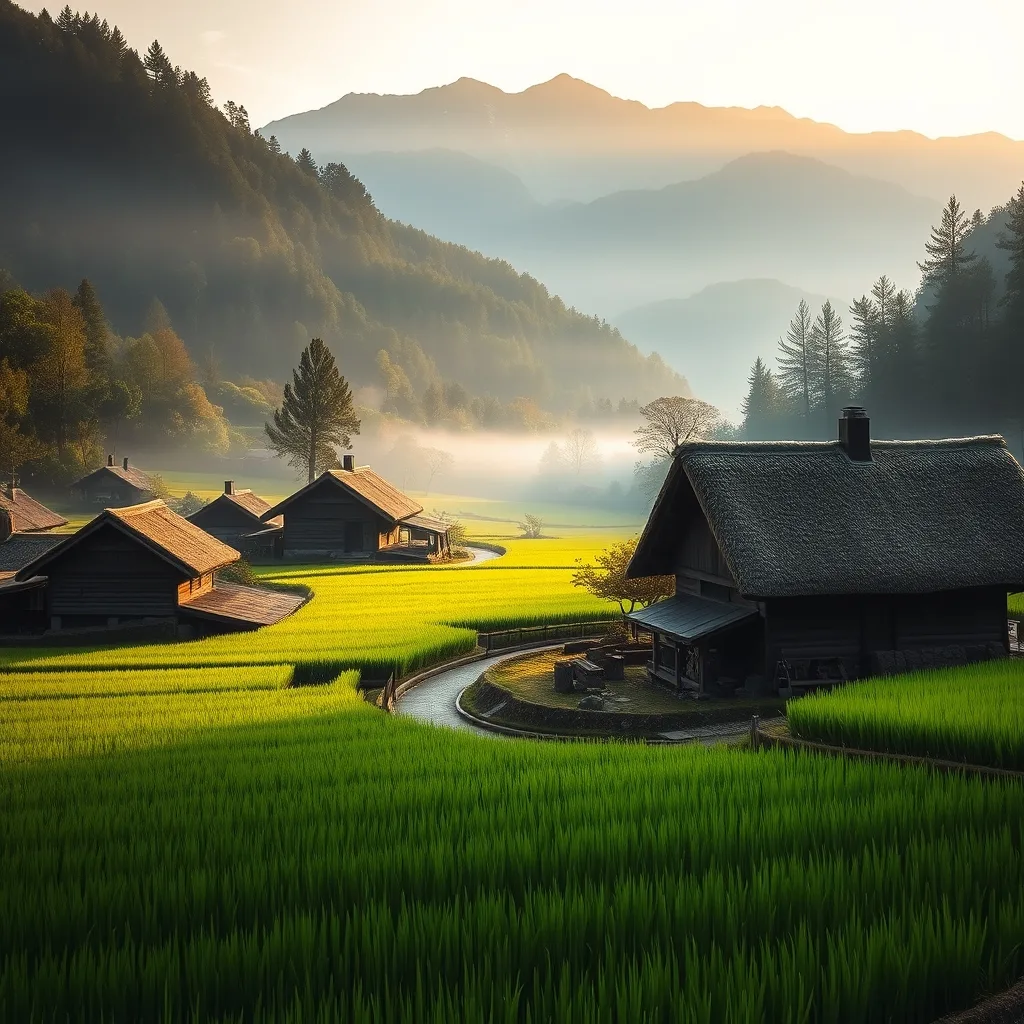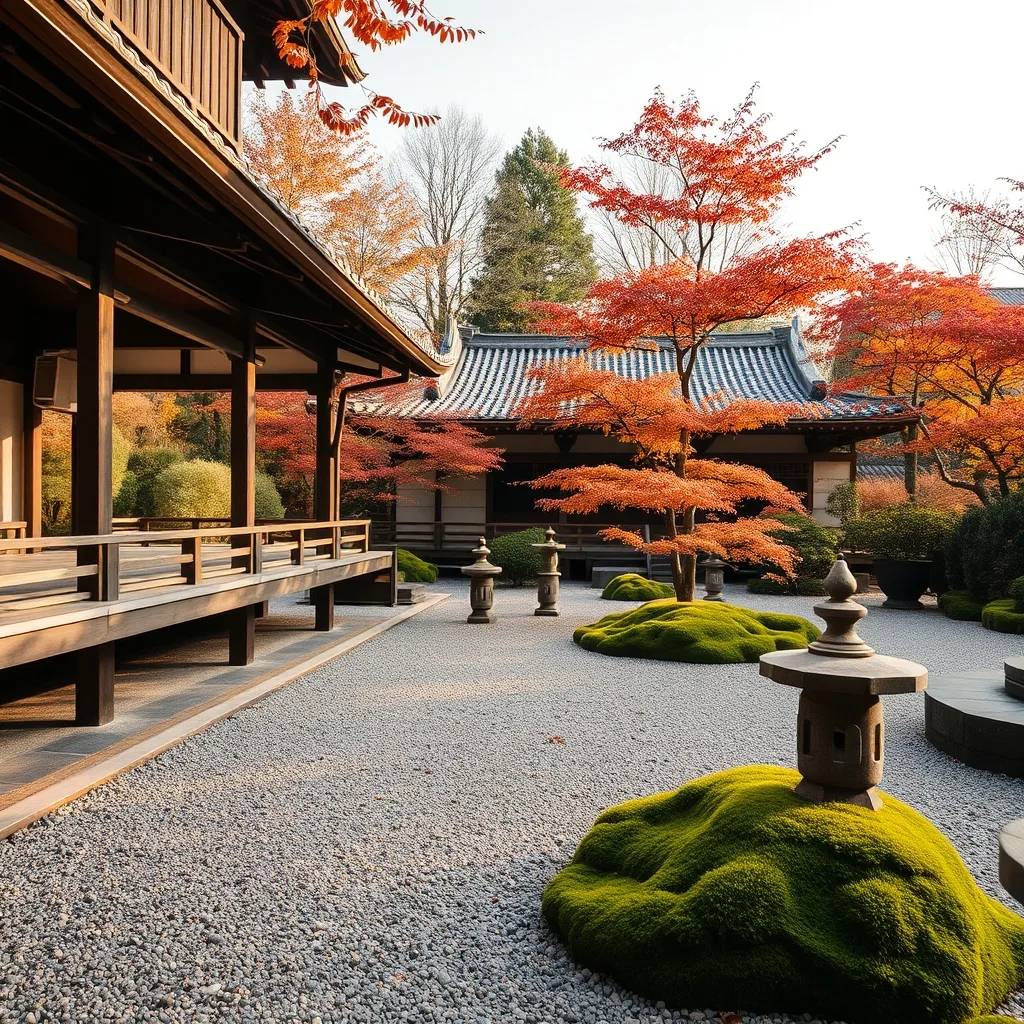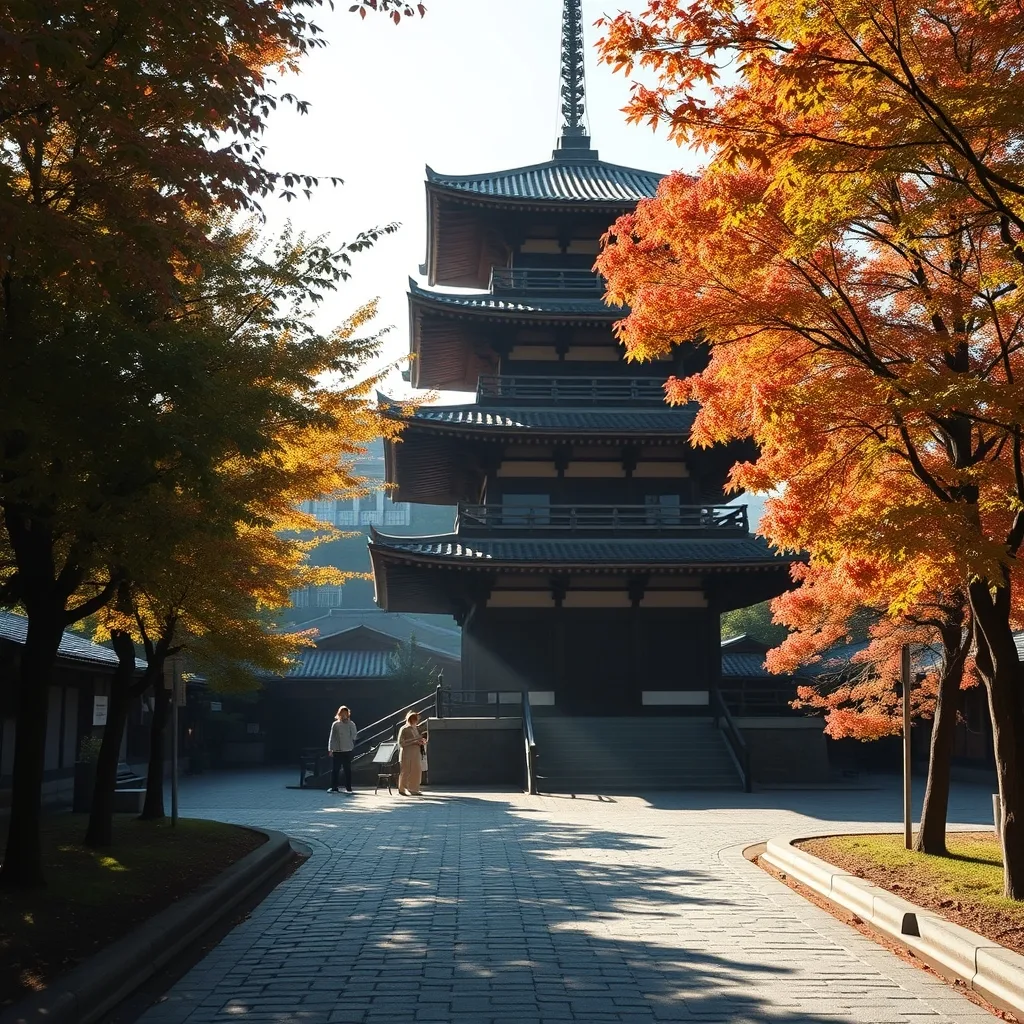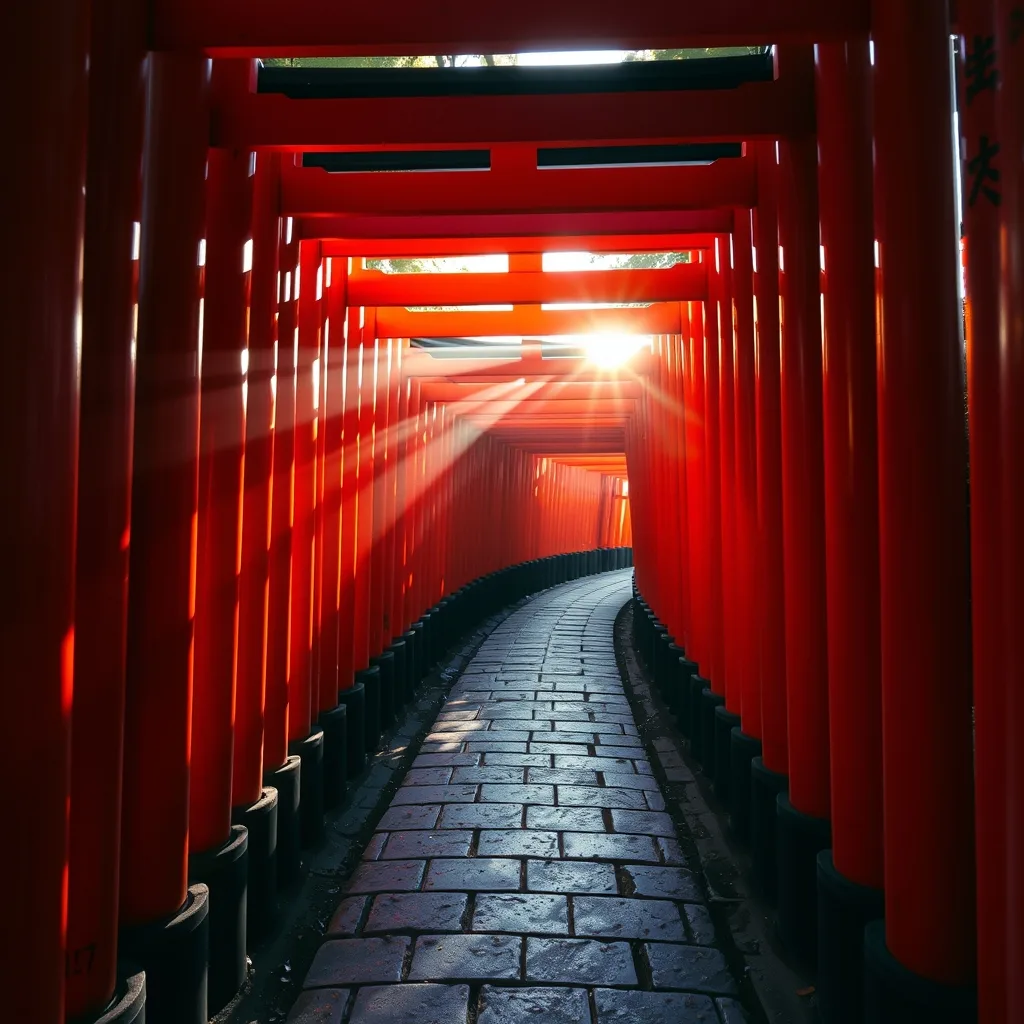
Three days is the sweet spot for Kyoto — enough for the three big zones (the eastern temple district, Fushimi Inari, and Arashiyama) without the checklist sprint that ruins the world's most atmospheric city. For an Indian couple, 3 days in Kyoto costs roughly ₹45,000–70,000 for two on the ground — hotels, food, buses, and temple entries, approximate and season-dependent — before flights. This guide gives you the exact day-by-day plan: east Kyoto and Gion on day one, a dawn torii walk and the food streets on day two, Arashiyama and the Golden Pavilion on day three — plus the ryokan-vs-hotel decision in ₹ and a Kyoto-specific vegetarian cheat sheet.
Kyoto is usually the emotional high point of a longer route — this plan slots straight into days 4–6 of our 7-day Japan honeymoon itinerary if you're coming from Tokyo, or works standalone if you fly into Osaka.
Getting There from India (and the Visa Note)
Flights: There are no direct flights from India to Kyoto — the city has no airport. You have two good routes as of 2026: fly one-stop (via Singapore, Bangkok, Hong Kong, or Delhi) into Kansai International Airport (KIX) near Osaka, then take the Haruka Express straight to Kyoto Station — about 80 minutes, roughly ¥3,500–4,000 (₹2,000–2,400) per person. Or land in Tokyo, do the capital first, and ride the Tokaido Shinkansen to Kyoto — about 2 hours 15 minutes, around ¥14,000 (₹8,000–8,500) one way, approximate. Return fares from India run roughly ₹40,000–75,000 per person depending on season and booking window.
Visa: Indian passport holders need a tourist visa, and the application asks for a day-by-day schedule of stays — this post's structure drops straight into our sample Japan visa itinerary format. Apply 3–4 weeks before you fly.
Tip: Your Suica/Pasmo IC card from Tokyo works on Kyoto's buses and subways too (the local ICOCA card is the same thing). But note the maths: city buses are a flat ¥230 (
₹140) per ride, so if you'll ride four or more times in a day, the **¥1,100 (₹650) subway + bus one-day pass** pays for itself. The old bus-only day pass was discontinued in 2023 — don't let an older blog send you hunting for it.
Ryokan or Hotel? The ₹ Decision Kyoto Forces On You
Kyoto is the city for a traditional ryokan night — tatami floors, futon bedding, a multi-course kaiseki dinner served in your room, and the quiet ritual of it all. It's also the single biggest line item you can add to this trip, so here's the honest maths for two people, per night (approximate, as of 2026 — varies sharply by season):
Stay | Per night (for two) | What you get |
|---|---|---|
Mid-range hotel double | ₹7,000–13,000 | Clean, compact, near a station |
Ryokan with kaiseki dinner + breakfast | ₹18,000–36,000 | Tatami room, in-room dining, the full experience |
Our verdict for couples: book two hotel nights and one ryokan night — the ryokan premium (₹10,000–22,000 over a hotel night) is worth it exactly once, ideally your final night in the Gion/Higashiyama area so you wake up among the lanes before the crowds. Vegetarians: tell the ryokan when you book, not at check-in — kaiseki menus are fixed and most good houses will prepare a vegetarian version with a few days' notice.
For location, base yourselves around Kyoto Station (transport hub, easiest with luggage) or Gion/Kawaramachi (walkable romance, better evenings). Avoid anything that requires a bus transfer just to reach a train line.
Day 1 — East Kyoto: Kiyomizu-dera, Lantern Lanes, and Gion at Dusk
Morning — Kiyomizu-dera. Start at Kyoto's most famous temple, founded in 778, whose huge wooden stage juts out over a hillside of maples (entry about ¥400/~₹250). Arrive by 8:30 AM — by mid-morning the approach roads are a river of people.
Midday — Sannenzaka and Ninenzaka. Walk downhill from the temple through these two preserved stone-paved lanes — wooden machiya houses, craft shops, matcha soft-serve. This is where couples rent kimonos for the day (¥3,000–6,000/~₹1,800–3,600 per person, approximate; book a morning slot online and keep it until evening). The classic couple photo is at the bottom of the lane with the five-story Yasaka Pagoda rising behind you — come back for it at sunset if the midday crowd is thick.
Afternoon — Kōdai-ji and Maruyama Park. Ease the pace: Kōdai-ji's raked-gravel gardens and bamboo path are a calmer preview of Arashiyama, and Maruyama Park is where locals actually sit.
Evening — Gion. As the lanterns come on, walk Hanamikoji Street in Kyoto's geisha district. You may glimpse a geiko or maiko hurrying to an appointment — admire, don't chase: photography is banned on Gion's private side-alleys (there's a posted ¥10,000 fine, and more importantly it's rude). End with dinner around Gion or the Kawaramachi side of the river.
Tip: Kyoto's temples close early — most gates shut between 4:30 and 5:30 PM. Plan temples for mornings and afternoons, and save evenings for Gion, Pontocho, and the riverbank — which is exactly how this itinerary is built.
Day 2 — Fushimi Inari at Dawn, Nishiki Market, and Pontocho by Night
Dawn — Fushimi Inari Taisha. The thousands of vermilion torii gates snaking up the mountainside are Kyoto's defining image — and the shrine is free and open around the clock, which is your superpower. Take the first JR train from Kyoto Station (5 minutes to Inari station, two stops) and be walking the tunnels by 7 AM: you'll have long stretches of gates to yourselves, cool air, and photos with nobody in them. You don't need the full 2–3 hour summit loop — the Yotsutsuji intersection, about 35–45 minutes up, has the classic city view and is the natural couple's turnaround point.
Late morning — back to the city, slowly. Recover over coffee, then head to Nishiki Market — "Kyoto's kitchen," a covered lane of 100+ stalls selling pickles, yuba (tofu skin), matcha sweets, and sesame everything. Vegetarians can graze better here than almost anywhere in Japan: roasted chestnuts, dashimaki-free tofu doughnuts, fresh soy milk — ask "yasai dake?" (vegetables only?) before buying anything fried.
Afternoon — Nijo Castle or the Philosopher's Path. History couples: Nijo Castle's "nightingale floors" chirp underfoot — built so no one could sneak up on the shogun. Walkers: the canal-side Philosopher's Path in the northeast is quietly romantic outside cherry-blossom season.
Evening — Pontocho. Kyoto's most atmospheric dinner street: a lantern-lit alley one person wide in places, running along the Kamo River. In summer, restaurants open kawadoko riverside platforms. Walk it end to end before choosing — then cross the river and walk back along the bank, which is where Kyoto couples actually sit.
Day 3 — Arashiyama Bamboo, a Zen Lunch, and the Golden Pavilion
Early morning — Arashiyama Bamboo Grove. Take the JR Sagano line from Kyoto Station (about 15 minutes) and reach the bamboo grove before 8 AM — it's free, always open, and utterly different empty versus crowded. The green light through the stalks is the photo; after 9:30 it's a queue.
Morning — Tenryū-ji. The UNESCO-listed Zen temple beside the grove has one of Japan's great landscape gardens (garden entry about ¥500/~₹300), with the Arashiyama hills "borrowed" into the view.
Lunch — shojin ryori. This is your day for Zen Buddhist temple cuisine — 100% vegetarian by definition and Kyoto's signature meal. Shigetsu, inside Tenryū-ji's grounds, serves set courses of seasonal vegetables, sesame tofu, and yuba; a shojin ryori lunch typically runs ₹3,000–6,000 per person (approximate — simpler sets sit at the lower end). Book ahead. It's slow, beautiful, and the single most Kyoto thing you'll do.
Afternoon — Togetsukyō Bridge, then Kinkaku-ji. Stroll the river and the wooden Togetsukyō ("Moon Crossing") Bridge, then take a bus or taxi (about 30 minutes) to Kinkaku-ji, the Golden Pavilion — its top two floors sheathed in gold leaf, floating over its mirror pond (entry about ¥500/~₹300). Gates close by 5 PM, so don't leave it too late.
Final evening — your ryokan. If you took our advice, tonight is the kaiseki-in-your-room, yukata-and-tea night. If not, head back to the Kamo riverbank with konbini snacks and watch the lanterns come on — genuinely one of the best free evenings in Japan.
Where to Eat Vegetarian in Kyoto (the Honest Version)
Kyoto is simultaneously the best and trickiest Japanese city for vegetarians — best because of shojin ryori and tofu culture, trickiest because dashi (fish stock) hides in almost everything ordinary. Your Kyoto-specific map:
Shojin ryori (temple cuisine): fully vegetarian by definition. Shigetsu at Tenryū-ji (day 3) is the accessible one; expect ₹3,000–6,000 per person, approximate.
Yudōfu (tofu hot pot): the Nanzen-ji and Arashiyama areas specialise in it — confirm the broth is kombu (kelp) only, which the tofu-district restaurants understand.
Indian food: Ajanta, a short walk from Kyoto Station, is the reliable dal-and-roti fix popular with Indian tour groups; you'll find a cluster of North Indian restaurants around the station and Kawaramachi.
Vegan ramen: the vegan chain T's Tantan has a Kyoto Station branch — the tantan ramen converts sceptics.
Nishiki Market + konbini: grazing heaven (day 2); at 7-Eleven, Lawson, and FamilyMart stick to plum (ume), salted, and egg fillings — many onigiri contain fish or dashi.
Filter everything through HappyCow — Kyoto's listings are dense and current.
For label-reading, hidden-fish-stock traps, and Jain/veg phrases in Japanese, keep our vegetarian food in Japan guide open on your phone.
The Budget: 3 Days in Kyoto for Two (in ₹)
All figures are approximate ranges for a mid-range couple, as of 2026 — they move with season, exchange rate (¥100 ≈ ₹58–60), and booking window. Cherry blossom (late March–early April) and autumn-leaf November push everything to the top end.
Item | For two (3 days) | Notes |
|---|---|---|
Hotel (2 nights) + ryokan (1 night) | ₹32,000–62,000 | The ryokan night is the splurge |
Food | ₹12,000–20,000 | Includes one shojin ryori lunch |
Buses, trains + temple entries | ₹5,000–8,000 | Day passes + ¥400–500 entries |
Kimono rental + extras | ₹4,000–8,000 | One day, two people |
That's ₹45,000–70,000 on the ground for two (hotel-only couples can trim ₹10,000–20,000 by skipping the ryokan). Add return flights from India (₹80,000–1,50,000 for two) and a Kyoto-anchored trip lands around ₹1.3–2.2 lakhs for two — see the full multi-city maths in our Japan trip cost from India breakdown.
When Should Couples Go?
November (fiery maple leaves in the temple gardens) and late March–early April (cherry blossoms along the Philosopher's Path) are Kyoto at its most romantic — and its most crowded and expensive; book stays 2–3 months out. Golden Week (late April–early May) is Japan's peak domestic holiday — hotels spike and the lanes are packed, so avoid it or book far ahead. For soft light, lower fares, and breathing room, aim for late May–June or October. The full seasonal logic is in our best time to visit Japan from India guide.
FAQ
Is 3 days enough for Kyoto? Yes — three days covers the eastern temple district, Fushimi Inari, and Arashiyama at a romantic pace, which is the right 80% of Kyoto. With only 2 days, drop the Day 2 afternoon (Nijo/Philosopher's Path) and fold Nishiki Market into Day 1 evening. With 4 days, add a half-day trip to Nara (the giant Buddha and the bowing deer, 45 minutes by train) — it's the best-value extension in Japan.
Fushimi Inari or Arashiyama — which one at dawn? Both, on different days — that's exactly how this plan is built. If you can only manage one early start, choose Fushimi Inari: it's open 24 hours, so "dawn" genuinely means empty, and the torii tunnels lose more magic to crowds than the bamboo does.
Do we need a JR Pass for Kyoto? No. Within Kyoto you'll use buses, the subway, and two short JR hops (Inari, Arashiyama) — an IC card plus the occasional ¥1,100 day pass covers it. A JR Pass only starts making sense on multi-city routes; our honeymoon itinerary covers that maths.
Will we find vegetarian food easily? Yes, with light planning — Kyoto is arguably Japan's best veg city thanks to shojin ryori and tofu cuisine, plus Ajanta near the station for Indian food. The section above is your map; the golden rule is to ask about dashi (fish stock) in anything soupy.
Is Kyoto expensive compared to Tokyo? Slightly cheaper on hotels and transport, similar on food — the wildcard is the ryokan night, which is worth budgeting for here rather than anywhere else in Japan. The ₹ table above is a realistic mid-range picture.
Can we do Kyoto as a day trip from Osaka? You can (15 minutes by shinkansen), but as a couple, don't — Kyoto's two best hours are before 8 AM and after 6 PM, exactly the hours a day trip misses. Stay the nights here and day-trip to Osaka instead.
Turn This Into Your Own Trip
Maybe you want two ryokan nights, a tea ceremony instead of Nijo Castle, or Nara folded into day 3. Take this plan and build your custom Kyoto itinerary for couples on NextDestination.ai — reorder the days, set your dates and pace, and download a visa-ready day-by-day plan in minutes.