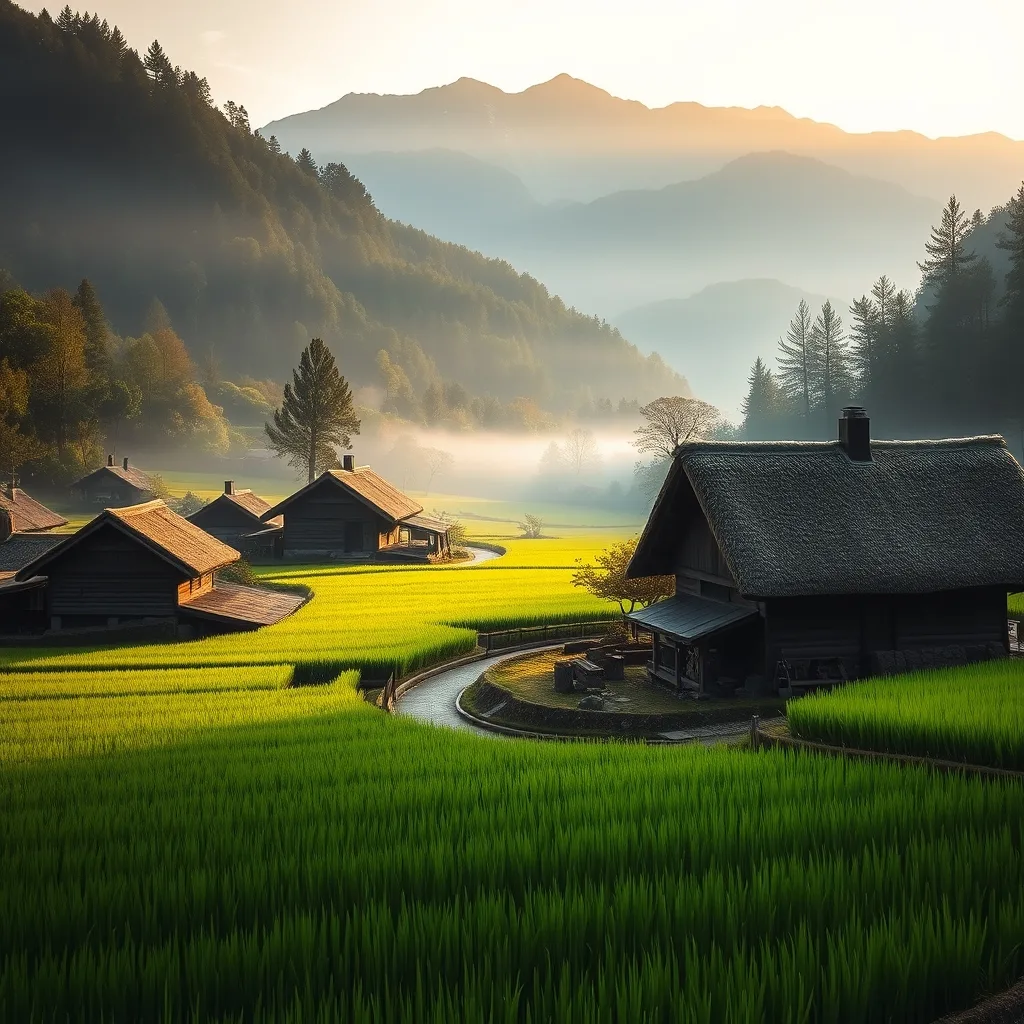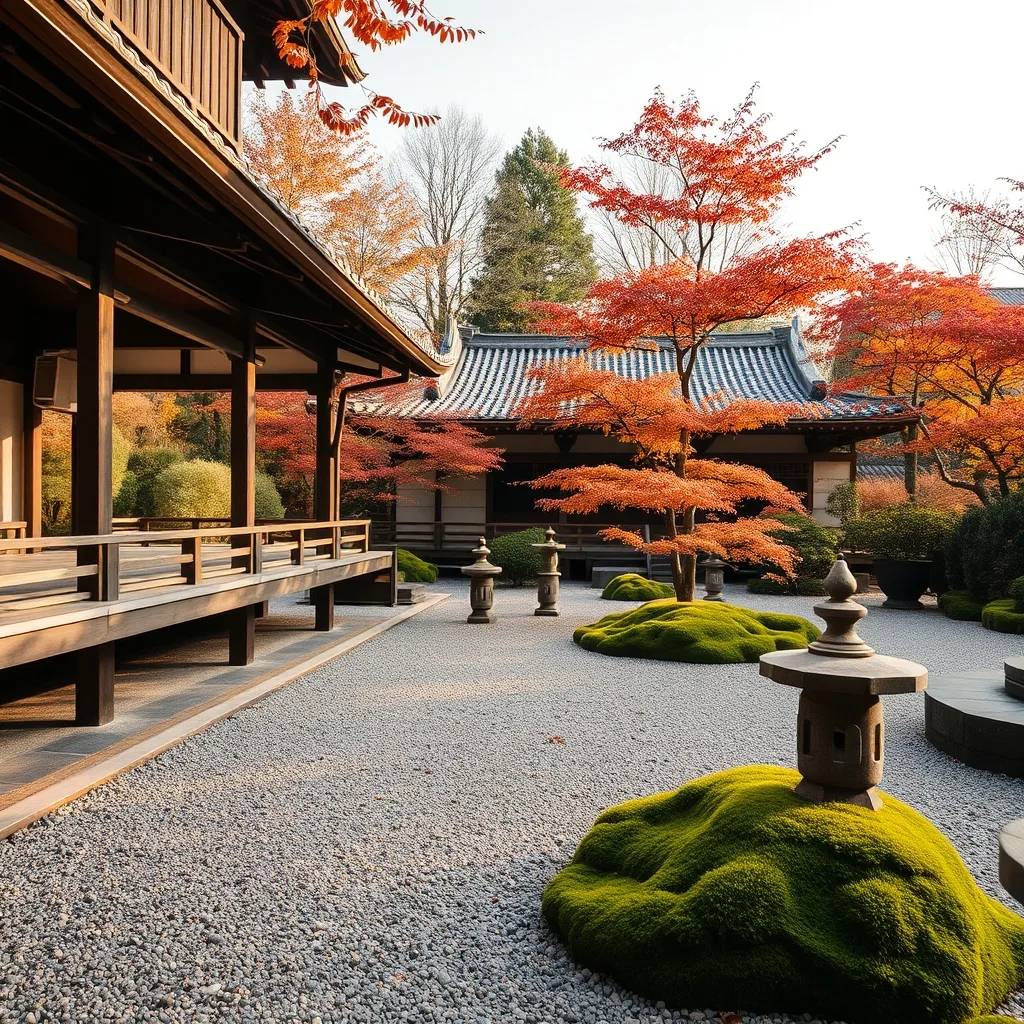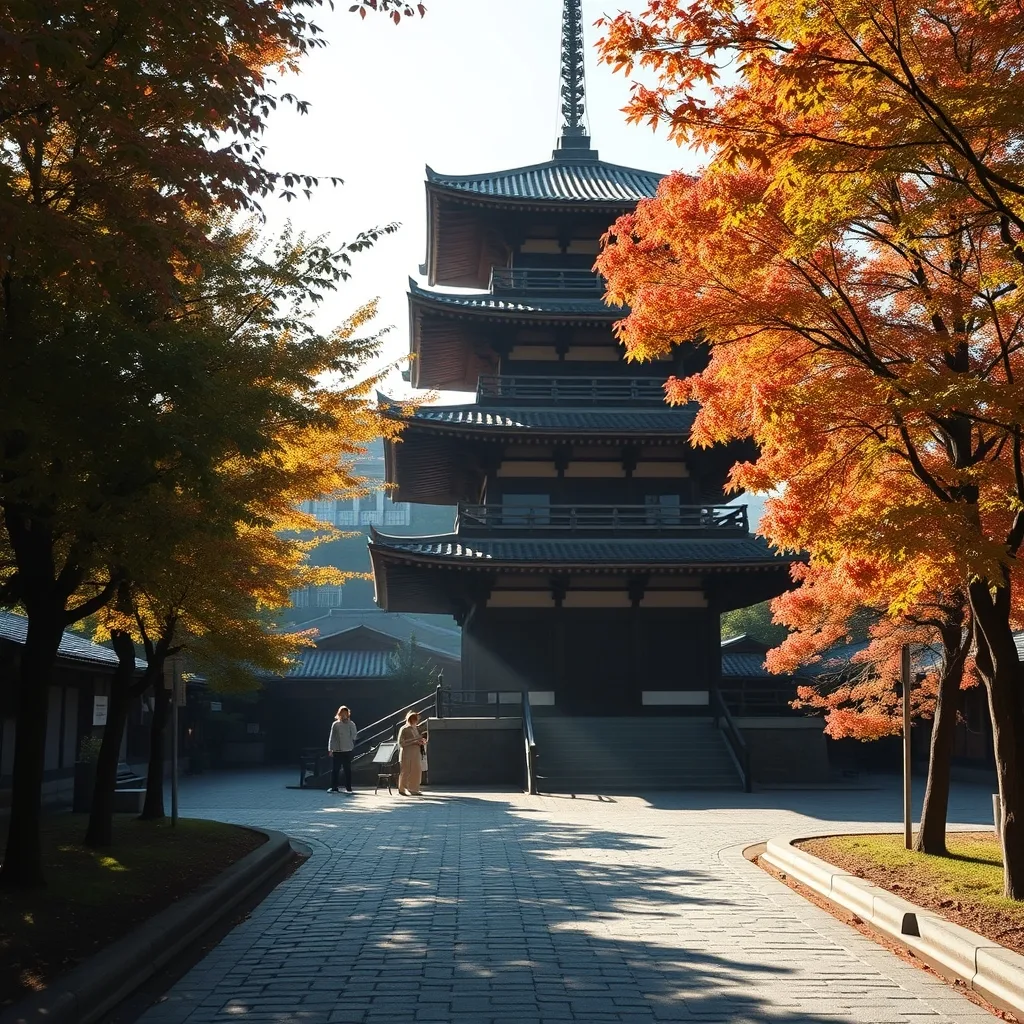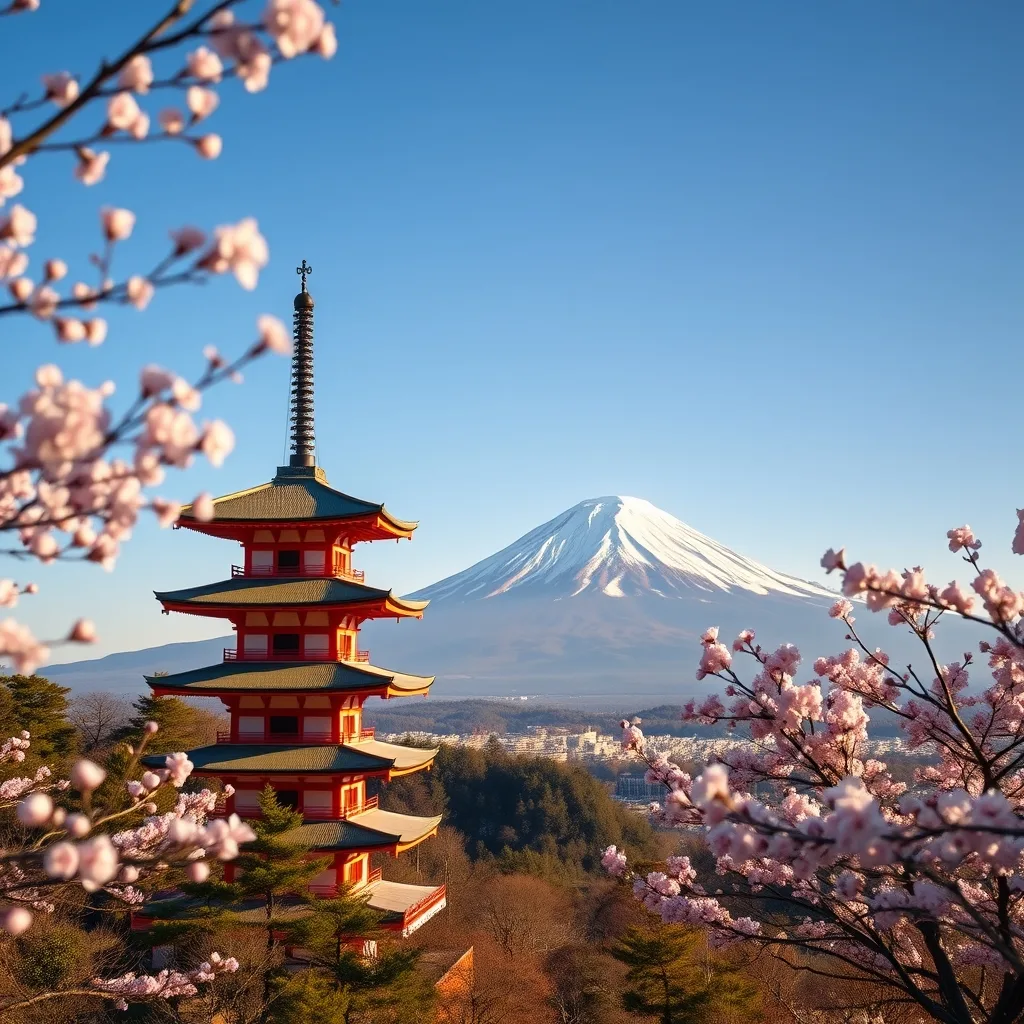
Ten days in Japan works out to four nights in Tokyo, one in Hakone, three in Kyoto and two in Osaka — flying into Tokyo and out of Kansai so you never retrace a single mile. That is the whole route. Everything below is the reasoning behind those numbers, and the places where the standard version of this trip quietly wastes half a day.
Most 10-day itineraries you will find are lists of sights with days stapled to them. The decisions that actually determine whether the trip feels rushed are different ones: which airport you fly home from, how many bases you set up, and which day trip you drop when you are too tired to be a good tourist. This page is organised around those.
All prices were read off the operators' own pages in August 2026 and are approximate — fares, admissions and taxes in Japan have all moved in the last eighteen months, and several of the figures below are newer than the guides currently ranking for this route.
The 10-Day Japan Route at a Glance
Base | Nights | Why this many |
|---|---|---|
Tokyo | 4 | Big enough that three nights means skipping a whole district; the fourth night buys a day trip |
Hakone | 1 | An overnight breaks the long Tokyo→Kyoto leg and gets you Mount Fuji without a round trip |
Kyoto | 3 | Two full days in the city plus one for Nara — the minimum that does not feel like a tasting menu |
Osaka | 2 | A short, food-shaped ending next to the airport you fly home from |
Ten nights, four bases, three moves. That ratio matters more than the sights: every base change costs you roughly half a productive day once you count checkout, luggage, transit and check-in.
Tip: With nine nights, take the night off Tokyo — 3-1-3-2, dropping the Tokyo day trip with it, since that is what the fourth night was buying. With twelve, add the extra nights to Kyoto and Osaka, not to Tokyo.
Fly Into Tokyo, Out of Osaka — the Open-Jaw That Buys You a Day
This is the single most useful decision on the page and it is made before you book anything else.
Book a multi-city (open-jaw) ticket: in to Tokyo (Haneda or Narita), out of Kansai (KIX). The route runs west the whole way, so a return ticket out of Tokyo forces you to spend the last morning riding the Shinkansen back the way you came — about ¥14,000 and half a day to end up where you started ten days earlier.
Airlines price open-jaw itineraries as two one-way segments on most long-haul routes, and the difference against a straight return is usually small or nil. Compare both before you assume it costs more.
Getting in from the airport. From Narita, the Keisei Skyliner reaches Ueno in about 40 minutes for ¥2,580, or ¥2,310 booked online in advance. From Haneda you are 15–30 minutes from central Tokyo on the monorail or the Keikyu line for roughly ¥500. Getting out: from central Osaka, the Nankai Airport Express runs Namba to KIX in about 45 minutes for ¥970, and the reserved-seat Rapi:t does it in 34 minutes for ¥1,670.
Days 1–4: Tokyo
Four nights, one of which you will mostly sleep through.
Day 1: Land, Ride In, and Do Not Nap
Whatever time you land, stay up until a local bedtime. Drop bags, then walk somewhere flat and interesting — Shinjuku's Omoide Yokocho, the Sumida riverside, or your neighbourhood's shopping street. Set up your IC card and transit apps tonight while you have hotel wi-fi; the apps worth downloading before you fly covers which IC card works on which phone, and the answer is not the same for iPhone and Android.
Day 2: Asakusa, Ueno and the Old East Side
Senso-ji at 07:30 is a different temple from Senso-ji at 11:00 — the approach through Nakamise-dori is empty and the light is better. Work west through Ueno Park, then Yanaka in the afternoon for the low-rise, pre-war Tokyo that survives in pockets. Finish at a standing bar under the Yurakucho arches.
Day 3: Shibuya, Harajuku and the Sunset Slot
Meiji Jingu in the morning, Takeshita-dori and the Omotesando architecture walk after, then Shibuya. Book Shibuya Sky for the slot that starts about an hour before sunset — you get the city in daylight, at golden hour and lit up, on one ticket. Tokyo's official tourism site lists advance online tickets at ¥2,700 before 15:00 and ¥3,400 from 15:00, against ¥3,000 and ¥3,700 at the counter. Sunset slots sell out days ahead in spring and autumn.
If digital art is your thing, teamLab Borderless at Azabudai Hills is the current flagship (adult tickets run roughly ¥3,600–¥5,600 depending on the date, and entry is by timed slot booked in advance).
Day 4: The Tokyo Day Trip — or Nothing At All
This is the flexible day, and it is deliberately last so you can read your own energy before committing.
If you have some left, Kamakura is the best value day trip out of Tokyo: an hour on the JR Yokosuka line, a Great Buddha you can walk inside, temple-lined hills and a tram to the coast at Enoshima. We have it mapped as a Kamakura and Enoshima day trip you can copy into your own plan, which is the version we would hand a friend.
If you do not have energy left, spend the day in one Tokyo neighbourhood — Shimokitazawa, Kiyosumi, Nakameguro — and eat well. A wasted-feeling slow day in Tokyo beats a forced day trip, and you are about to move cities twice in four days.
Day 5: Hakone — Why an Overnight Beats a Mount Fuji Day Trip
Here is where most 10-day plans lose half a day without noticing.
The instinct is to do Mount Fuji as a day trip from Tokyo. The Fuji Excursion limited express runs Shinjuku to Kawaguchiko in about 1 hour 55 minutes for roughly ¥4,200, which sounds fine until you add the return and realise you have spent four hours on trains to look at a mountain that is hidden by cloud on most summer afternoons — then come back to Tokyo, only to travel the same direction again the next morning.
Hakone solves this by sitting on the way. It is a stop on the Tokaido line rather than a detour off it, so the night you spend there is a night you would have spent somewhere anyway.
The mechanics:
Check out of Tokyo in the morning and ride the Shinkansen to Odawara — about 27 minutes on a Hikari, 35–45 on a Kodama, roughly ¥3,370 unreserved or ¥4,270 reserved. Nozomi trains do not stop at Odawara.
Buy the Hakone Freepass at Odawara. Odakyu's own page prices the 2-day pass at ¥6,000 from Odawara and ¥7,100 from Shinjuku, and it covers eight linked services — the Hakone Tozan train, the cable car, the ropeway over the sulphur vents at Owakudani, the lake cruise and the buses. Note that plenty of guides still quote ¥6,100 for the Shinjuku version; Odakyu's current page does not.
Do the loop, then stop. The Hakone circuit — train, cable car, ropeway, pirate ship across Lake Ashi, bus back — takes an unhurried afternoon.
Sleep in an onsen ryokan. This is the point. One night of tatami, a kaiseki dinner and a hot spring, at the exact moment in the trip when your legs need it.
Next morning, ride on to Kyoto from Odawara — about 2 hours 20 minutes by Hikari, roughly ¥11,000–¥11,500 reserved.
You see Fuji from the ropeway and from the lake on a clear day, you get the ryokan night that a city-only itinerary never fits in, and you arrive in Kyoto before lunch having travelled in one direction the entire time.
Tip: Send your big suitcase ahead from your Tokyo hotel to your Kyoto hotel on the morning you leave, and do Hakone with an overnight bag. It costs about ¥2,300 and it is the difference between a ryokan evening and dragging a spinner up a mountain — the luggage forwarding timing rules explain which morning to send it.
Days 6–8: Kyoto
Three nights, and resist the urge to fill them with temples. Kyoto rewards two or three sites a day done slowly far more than six done fast.
Day 6: Arrive, Then Southern Higashiyama
Drop bags, then walk the Higashiyama slope in the late afternoon: Kiyomizu-dera (¥500), down Sannenzaka and Ninenzaka, through Yasaka Shrine into Gion at dusk. This is the most photographed square kilometre in Japan and it empties dramatically after 17:00.
Day 7: Fushimi Inari at Dawn, Arashiyama After
Fushimi Inari is open 24 hours and free, which makes it the one major site you can have almost to yourself. Get there before 07:30 — it is five minutes from Kyoto Station on the JR Nara line — and climb until the crowds thin, which happens surprisingly early on the path. Come back down by 09:30 and cross the city to Arashiyama for the bamboo grove, the Togetsukyo bridge and Tenryu-ji.
Day 8: The Nara Day Trip (and the Uji Detour Most People Miss)
Nara is 45 minutes from Kyoto Station on the JR Miyakoji rapid (¥720) or the Kintetsu express (¥760); the Kintetsu limited express does it in 35 minutes for ¥1,280. Todai-ji's Great Buddha Hall costs ¥800 and, per the temple's own hours page, opens at 07:30 from April to October and 08:00 from November to March — early enough that a first train out of Kyoto gets you there before the coach tours.
The upgrade almost nobody makes: stop at Uji on the way. It is on the same line, it is Japan's matcha heartland, and Byodo-in — the temple on the ¥10 coin — stands over its own reflection at the end of a street of tea shops. Half a day in Uji plus half a day in Nara is a better day than a full day in Nara. That is exactly how we have it laid out in this Uji matcha morning and Nara afternoon day trip from Kyoto, with the timings already worked out.
Days 9–10: Osaka
Two nights. Osaka is where the trip stops being a checklist and becomes dinner.
Day 9: Osaka Castle, Kuromon and Dotonbori After Dark
Kyoto to Osaka is the cheapest intercity leg of the trip: ¥580 and 29 minutes on the JR Special Rapid, no reservation, several an hour. Do not book a Shinkansen for it.
Osaka Castle's grounds are free and the main tower is ¥1,200 — worth it mainly for the view. Then Kuromon Ichiba market for lunch, Shinsekai in the afternoon, and Dotonbori after dark, which is the correct time to see it. Eat standing up: takoyaki, kushikatsu, okonomiyaki.
Day 10: Himeji, or a Slow Morning, Then the Airport
Two honest options, depending on your flight time.
If you fly late: Himeji Castle is about an hour west of Osaka by Shinkansen and it is the finest surviving castle in Japan. Be aware the price changed this year — the castle's own site now lists ¥2,500 for non-resident adults (up from ¥1,000), with Himeji city residents paying ¥1,000 and everyone under 18 free. It opens 09:00 with last entry at 16:00.
If you fly in the afternoon or you are done: have a slow breakfast, buy the souvenirs you have been putting off, and go to the airport early. Kansai is a pleasant airport and a stressed dash to it is a bad last memory of Japan.
If you would rather trade the castle for something bigger, Hiroshima and Miyajima are also reachable in a day from Osaka — the day trip out to Hiroshima and back to your Osaka hotel sets out the timings, though it is a long day and it fits this 10-day shape only if you are willing to give up Himeji and a slow last morning.
Is the 7-Day JR Pass Worth It on This Route? No
This is the question every first-timer asks, and on this particular itinerary the answer is a clear no — with arithmetic behind it.
The nationwide Japan Rail Pass costs ¥50,000 for 7 consecutive days in ordinary class. Here is what this route actually asks of JR:
JR leg on this route | Approximate fare |
|---|---|
Tokyo → Odawara (Shinkansen, reserved) | ¥4,270 |
Odawara → Kyoto (Hikari, reserved) | ¥11,300 |
Kyoto ↔ Nara return (Miyakoji rapid) | ¥1,440 |
Kyoto → Osaka (Special Rapid) | ¥580 |
Airport transfers on JR | ¥3,000–6,000 |
Total | ≈ ¥21,000–24,000 |
Approximate; fares vary by train type, seat class and season.
Roughly ¥21,000–24,000 of JR travel against a ¥50,000 pass. Three further points sharpen it:
The pass runs 7 consecutive days, and your trip is 10. It cannot cover the whole thing, so you are buying a partial-trip pass and paying cash for the rest anyway.
It does not cover the expensive non-JR bits. The Hakone Freepass is Odakyu. The Nankai line to Kansai Airport is Nankai. The Kintetsu route to Nara is Kintetsu. None of them are JR.
It does not cover Nozomi without a supplement — currently ¥4,960 each way. Pass holders ride the Hikari instead, which on the Tokyo–Kyoto run is only around twenty minutes slower.
A pass starts to make sense on a route with long backtracking — Tokyo to Hiroshima and back, or a Tohoku loop. The classic westward golden route is not that trip. If you want the full break-even working, we have the pass-versus-point-to-point maths set out in detail.
Tip: Book Tokaido Shinkansen seats through smartEX rather than at a machine, and check your suitcase. Bags between 160 cm and 250 cm in total dimensions need a free oversized-baggage seat reserved in advance on the Tokaido, Sanyo and Kyushu lines — JR Central's own rule — and turning up without one attracts an on-board fee, widely quoted at ¥1,000.
What 10 Days in Japan Costs in 2026
Excluding international flights, per person, sharing a twin room, at a comfortable mid-range standard:
Category | Per person, 10 days | ≈ US$ |
|---|---|---|
Accommodation (share of a twin) | ¥70,000–110,000 | $440–690 |
All transport (rail, passes, airport, local) | ¥30,000–38,000 | $190–240 |
Food | ¥40,000–70,000 | $250–440 |
Admissions and extras | ¥12,000–20,000 | $75–125 |
Total | ¥152,000–238,000 | $955–1,495 |
Approximate and varies with season, booking window and how you eat; converted at roughly ¥159 to the US dollar in August 2026.
Two 2026 changes that older itineraries have not caught up with:
Kyoto's lodging tax rose sharply on 1 March 2026. It is now banded by room rate, per person per night: ¥200 under ¥6,000; ¥400 from ¥6,000; ¥1,000 from ¥20,000; ¥4,000 from ¥50,000; and ¥10,000 at ¥100,000 and above (Kyoto City's official guidance). For most travellers this is ¥400 a night rather than the old ¥200 — trivial. At the luxury end it is a genuine line item.
JR East raised local fares in spring 2026, its first full increase since 1987, taking the minimum fare from ¥150 to ¥160. City transit budgets copied from 2024-era guides now run a few percent light.
Where This Route Wastes Time — and What to Cut
Four honest warnings, in the order they will tempt you.
Adding a fifth base. Kanazawa, Takayama and Hiroshima are all wonderful and none of them fit ten days alongside the golden route. Adding one costs you two half-days of transit to gain one afternoon.
The Fuji day trip from Tokyo. Covered above. Four hours of trains for a mountain that may not be visible, in the wrong direction.
Booking a Shinkansen for Kyoto→Osaka. ¥1,450 for a 14-minute ride from Shin-Osaka, versus ¥580 for 29 minutes on a train that leaves from the station you are already standing in.
Temple-stacking in Kyoto. Six temples in a day is how Kyoto becomes a blur of gravel and admission windows. Three, with a long lunch, is the trip people remember.
The cut order, if the trip compresses: Himeji first, then the Tokyo day trip, then the Uji half of the Nara day. Do not cut the Hakone night — it is the recovery day, and this route is built around it.
When to Go, and What It Changes
Late March to mid-April (cherry blossom) and mid-October to early December (autumn colour) are the best weather and the worst crowds and prices. Late April to early May is Golden Week — a domestic holiday when the whole country travels at once; trains and hotels are booked out and expensive, so avoid it unless you have no choice.
June is the rainy season and August is genuinely hot and humid — 33°C with high humidity in Kyoto, which changes what an outdoor itinerary feels like. Late January and February are cold, clear, cheap and quiet, and Fuji is visible far more often in winter than in summer.
Book accommodation for the two peak windows three to four months out. Shinkansen seats open one month ahead and only sell out around holidays.
FAQ
Is 10 days enough for Japan? Yes, for one region done properly. Ten days covers Tokyo, Kyoto, Osaka and a couple of day trips at a civilised pace. It is not enough to add Hiroshima, the Japanese Alps or Hokkaido without the trip turning into a transit exercise — those are the reason to come back.
How many days in Tokyo versus Kyoto? Four and three on a ten-day trip. Tokyo is a collection of distinct districts and three nights means one gets dropped; Kyoto's sights are concentrated but slow, and three nights covers two city days plus Nara. If you strongly prefer traditional Japan to urban Japan, shift one night from Tokyo to Kyoto — not the other way round.
Should I buy the Japan Rail Pass for a 10-day trip? Not for this route. Roughly ¥21,000–24,000 of JR travel against a ¥50,000 pass that only runs seven days and covers none of the Odakyu, Nankai or Kintetsu legs. Buy point-to-point tickets through smartEX instead. (A price rise for passes sold through overseas agents has been reported for 1 October 2026 — check the official Japan Rail Pass site before buying, as retailer prices vary.)
Do I need a visa for Japan? Citizens of the US, UK, Canada, Australia, most of the EU and around 70 other countries enter visa-free for short stays of up to 90 days. Japan has legislated for JESTA, an electronic travel authorisation similar to the US ESTA, but it is scheduled for around fiscal 2028 and is not required now. Check your own government's advice before you fly — this changes.
What is the best time of year for this itinerary? Late October to early December, if you can only pick one. Autumn colour arrives in Kyoto from mid-November, the weather is dry and mild for long walking days, and Fuji is visible far more often than in summer.
Can I do this route in reverse, Osaka to Tokyo? Yes, and it works identically — fly into Kansai and out of Haneda or Narita. Reverse the order and put Hakone between Kyoto and Tokyo. The one advantage of starting in Tokyo is that jet lag lands on the trip's densest city while you are still excited.
How much cash should I carry? Less than the old advice suggests. IC cards and contactless cover trains, convenience stores and most chains, but small restaurants, temple and shrine admission counters, and rural buses are still routinely cash-only. Keep ¥10,000–20,000 on you and top up at a 7-Eleven ATM, which reliably accepts foreign cards.
Build Your Own Dated Version
The route above is the shape. What makes it usable is turning it into your dates — with your arrival time, your hotel addresses, your day-trip choices and the send-day for your luggage all on one page you can read on a platform without signal.
That is the version worth carrying. Build your own 10-day Japan itinerary, adjust the nights to suit how you actually travel, and export it as a PDF to keep on your phone or print for the people at home. Then the only thing left to decide is dinner.