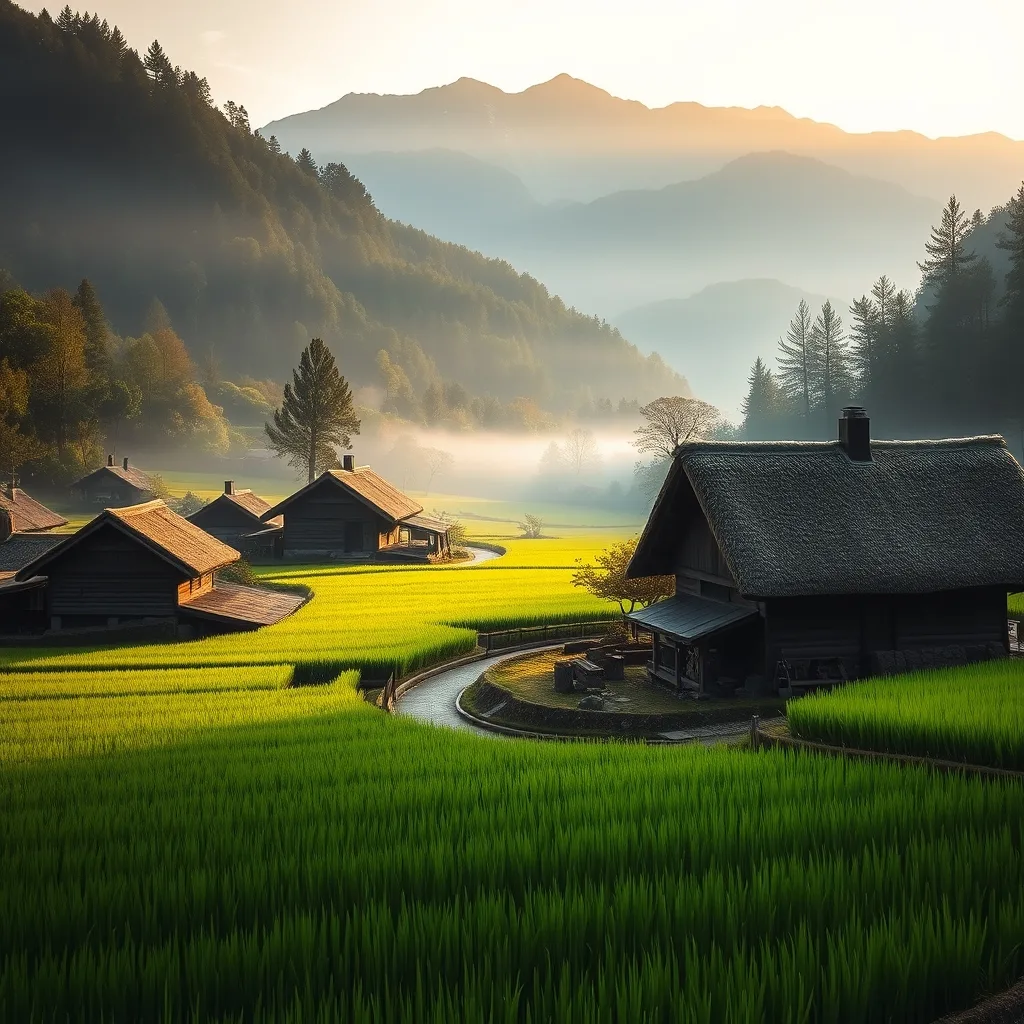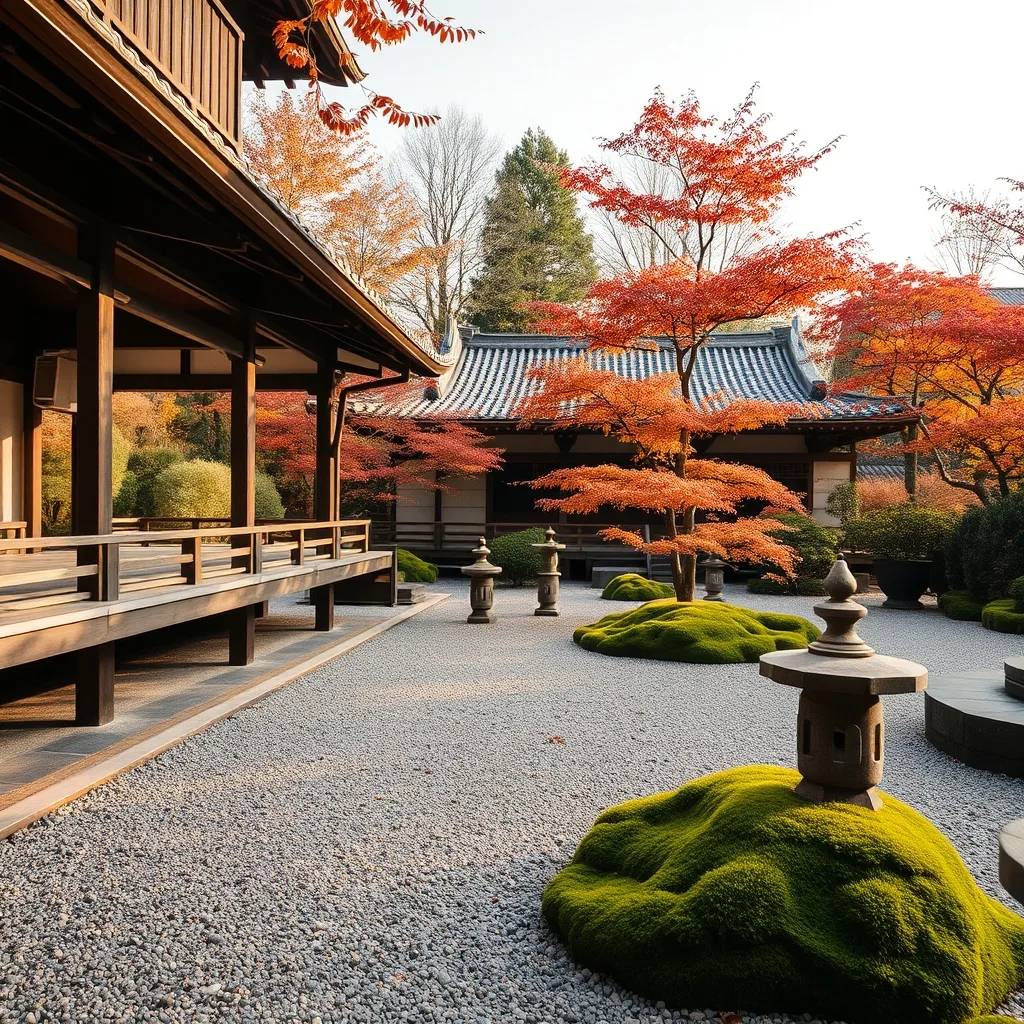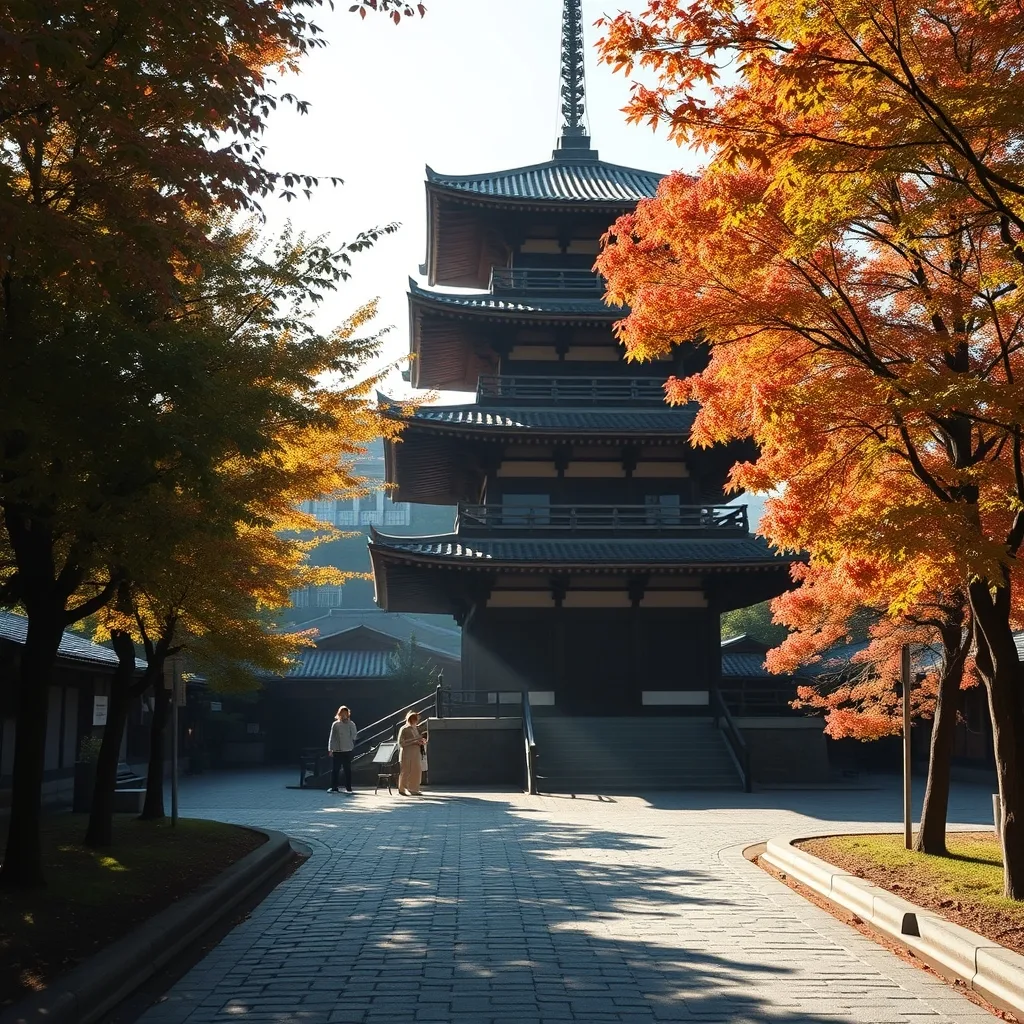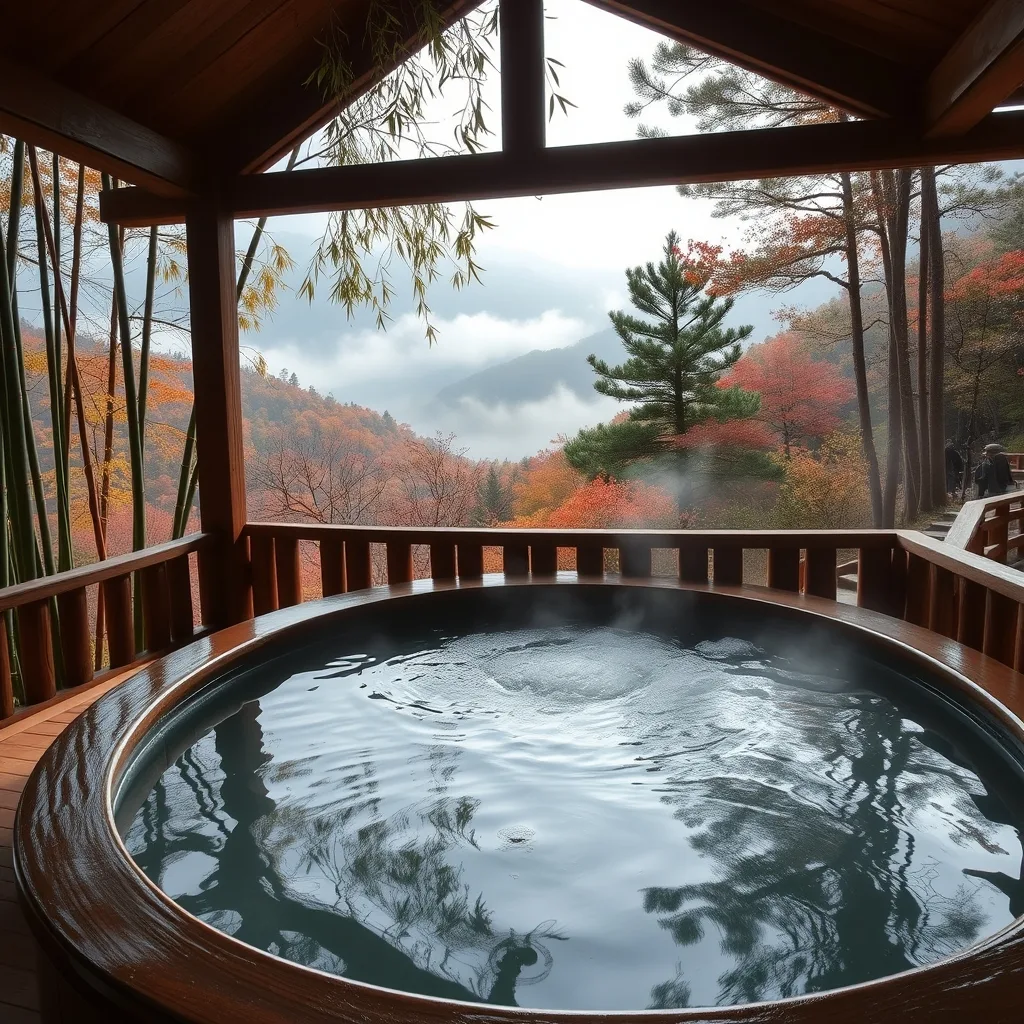
A 4-day Hakone and Izu onsen itinerary connects the volcanic mountain ridges of Hakone with the coastal hot springs of Atami and the ancient bamboo baths of Shuzenji, covering two distinct hot spring regions from Tokyo in 4 days without needing a rental car. By pairing the 2-day Odakyu Hakone Freepass (¥7,100 from Shinjuku) with regional train links down to Sagami Bay and the direct JR Limited Express Odoriko back to Tokyo Station, you get panoramic Mount Fuji vistas, sulfuric caldera vents, seaside rotenburo baths, and secluded ryokan stays in one seamless circuit.
Most travelers heading out from Tokyo make the mistake of either rushing Hakone as an exhausting day trip or treating the Izu Peninsula as a completely isolated destination that demands a car. In reality, Fuji-Hakone-Izu National Park links the mountains directly to the sea. You can wake up overlooking forested peaks in Gora on morning one, cruise across a volcanic caldera on morning two, soak in mineral-rich ocean waters on evening three, and walk through towering bamboo groves in Shuzenji on day four.
If you want the complete interactive route with transit hops, hotel suggestions, and map pins, you can open our curated 4-Day Hakone and Izu Onsen Itinerary directly on the NextDestination planner to customize your days and download an exportable travel summary.
Route Overview: Mountain Peaks to Ocean Springs
This route splits neatly into two distinct halves: two days riding the mountain transit loop in Hakone, followed by two days exploring the coastal and river hot spring towns of the Izu Peninsula in Shizuoka Prefecture.
Day | Base / Region | Highlight Sights & Activities | Key Transit & Passes |
|---|---|---|---|
Day 1 | Gora (Hakone) | Hakone Open-Air Museum, Gora Park, evening private rotenburo | Odakyu Romancecar + Hakone Freepass |
Day 2 | Moto-Hakone / Lake Ashi | Owakudani volcanic vents, Lake Ashi pirate cruise, Hakone Shrine | Hakone Ropeway, sightseeing boat, Tozan Bus |
Day 3 | Atami (Izu Gateway) | Kinomiya Shrine, MOA Museum of Art, coastal ocean onsen | JR Tokaido Line to Atami |
Day 4 | Shuzenji (Central Izu) | Tokko no Yu river bath, Chikurin no Komichi bamboo path | Sunzu Line + JR Limited Express Odoriko |
The Transit Strategy: Connecting Hakone to Izu Without a Car
The biggest friction point for travelers combining Hakone and Izu is figuring out how to transition between two separate transit systems. Hakone operates primarily under the private Odakyu network, while the Izu Peninsula is served by JR lines and the local Izu-Hakone Railway.
Tokyo (Shinjuku) ──[Odakyu Romancecar]──> Hakone-Yumoto ──[Tozan Train]──> Gora
                                                                             │
Gora ──[Cable Car & Ropeway]──> Owakudani ──[Ropeway]──> Lake Ashi (Moto-Hakone)
                                                                             │
Lake Ashi ──[Tozan Bus to Odawara]──> Odawara ──[JR Tokaido Line]──> Atami
                                                                             │
Atami ──[JR Line to Mishima]──> Mishima ──[Sunzu Line]──> Shuzenji
                                                               │
Shuzenji ──[JR Limited Express Odoriko (Direct)]──> Tokyo Station
1. Tokyo to Hakone (Days 1–2)
Board the Odakyu Limited Express Romancecar from Shinjuku Station directly to Hakone-Yumoto Station (approx. 85 minutes). Buy the 2-Day Hakone Freepass (¥7,100 departing from Shinjuku as of 2026). The Freepass covers your base fare on Odakyu trains, plus unlimited rides across eight transportation networks inside Hakone: the Hakone Tozan Railway, Hakone Tozan Cable Car, Hakone Ropeway, Hakone Sightseeing Cruise, and local Tozan buses.
Tip: The Romancecar is an all-reserved limited express train. Your Hakone Freepass covers the basic rail fare, but you must purchase an additional limited express seat surcharge ticket (¥1,150 one-way per adult). Book your seats on the official Odakyu website up to 30 days in advance to request front-observation car seats. For step-by-step guidance on booking trains and loading digital IC transit cards on your smartphone, review our guide to the best Japan travel apps.
2. Crossing from Hakone to Atami (Day 3)
On morning three, you transition from the mountain caldera down to the Izu coast. From Moto-Hakone on Lake Ashi, take the Hakone Tozan Bus back down to Odawara Station (fully covered by your Hakone Freepass, approx. 45–50 minutes). At Odawara Station, transfer to the JR Tokaido Line heading south to Atami Station (approx. 20 minutes, ¥420, paid with your Suica or Pasmo card).
3. Atami to Shuzenji and Return to Tokyo (Day 4)
From Atami Station, take the JR Tokaido Line two stops west to Mishima Station (12 minutes, ¥330). Inside Mishima Station, transfer to the scenic Izu-Hakone Railway Sunzu Line to reach its terminus at Shuzenji Station (35 minutes, ¥520). A quick 8-minute local bus ride (¥220) brings you straight into the historic heart of Shuzenji Onsen village.
For your journey back to Tokyo, you do not need to backtrack through multiple transfers. The direct JR Limited Express Odoriko departs Shuzenji Station in the afternoon and runs straight into Tokyo Station in approximately 2 hours and 10 minutes (approx. ¥4,600 reserved seat).
Day 1: Mountain Culture and Forest Baths in Gora
Depart Shinjuku on the 08:00 or 08:30 Odakyu Romancecar. Arriving at Hakone-Yumoto Station, transfer immediately to the Hakone Tozan Railway—Japan's oldest mountain railway. The train zigzags up steep forested ravines using three separate switchbacks before pulling into Gora Station (550 meters above sea level).
Morning: Hakone Open-Air Museum
Drop your luggage at your Gora ryokan or use the coin lockers at Gora Station. Walk five minutes to the Hakone Open-Air Museum (Chokoku-no-Mori). Spread across 70,000 square meters of manicured mountain lawns, the museum displays over 120 sculptures by masters including Henry Moore, Rodin, and Taro Okamoto, framed against forested peaks.
Do not miss the Symphonic Sculpture, an ethereal tower encased in thick stained-glass panels with a spiral staircase leading to a rooftop lookout, and the indoor Picasso Pavilion. Before leaving, sit down at the outdoor mineral hot spring footbath situated right on the museum grounds to soak your feet while watching the trees sway.
Afternoon: Gora Park and Specialty Teas
Stroll uphill to Gora Park, a French-style landscaped garden built in 1914 featuring seasonal greenhouses, rose beds, and a fountain terrace. If you want a casual day-soak experience with fun outdoor novelties, nearby Hakone Kowakien Yunessun offers botanical and green tea baths. If you prefer quiet traditional mineral baths, head to Hakone Yuryo near Hakone-Yumoto, which features open-air forest tubs tucked beneath maple trees.
Evening: Traditional Ryokan Kaiseki in Gora
Check into your ryokan in Gora by 16:00. The mineral waters of Gora are prized for their milky-white acidity and high sulfur content, piped directly from the geothermal springs of Owakudani.
Put on your provided yukata (cotton kimono) and head down to the public baths or reserve a 45-minute slot in the property's kashikiri-buro (private rental bath). Dinner is a seasonal multi-course kaiseki banquet served in your private tatami dining room, featuring local seasonal vegetables, grilled sweetfish, sashimi, and simmered Wagyu beef hotpot.
Day 2: The Classic Hakone Loop to Lake Ashi
Today you complete the iconic Hakone circular loop, soaring over volcanic fissures and sailing past Mount Fuji before winding down along the historic Tokaido highway. If you are comparing this multi-day loop with a rapid 24-hour visit, see our detailed breakdown of whether to do a Hakone day trip or overnight stay.
Morning: Owakudani Volcanic Valley
Take the Hakone Tozan Cable Car from Gora up to Sounzan Station. Here, board the Hakone Ropeway, an aerial gondola that glides over the mountain ridge. As the gondola crests the peak, the earth drops away into Owakudani ("The Great Boiling Valley"), an active volcanic crater formed 3,000 years ago during Mount Hakone's last eruption.
Step out at Owakudani Station to view steaming sulfur fumaroles and boiling mud pools. Buy a bag of Kuro-tamago (black eggs; ¥500 for four). These chicken eggs are boiled in the mineral-rich geothermal springs; the sulfur and iron react with the calcium carbonate shells to turn them pitch black. Japanese legend claims eating one adds seven years to your life. On clear days, the viewing terrace offers one of the crispest vistas of Mount Fuji in the region.
Midday: Lake Ashi Pirate Cruise
Re-board the Ropeway down to Togendai Station on the shores of Lake Ashi (Ashinoko). Present your Hakone Freepass to board the Hakone Sightseeing Cruise—a fleet of whimsical, life-sized replicas of 17th-century European warships.
The 30-minute cruise across the caldera lake offers sweeping views of the surrounding cedar mountains. On calm mornings between late autumn and early spring, you can view the snow-dusted peak of Mount Fuji reflected in the lake's surface (Sakasa Fuji).
Afternoon: Hakone Shrine and Amazake Chaya
Disembark at Moto-Hakone Port. Walk ten minutes along the lake path beneath towering cryptomeria cedar trees to Hakone Shrine (Hakone-jinja). The shrine's most famous feature is the Heiwa-no-Torii (Torii Gate of Peace), an imposing vermilion wooden gate standing directly in the water of Lake Ashi.
After paying your respects at the main shrine hall nestled up the mossy stone steps, walk or take the local Tozan bus up the Old Tokaido Road to Amazake Chaya. This historic thatched-roof teahouse has operated continuously for over 400 years, serving travelers walking the ancient road between Kyoto and Edo (Tokyo). Order a warm bowl of traditional amazake (a naturally sweet, non-alcoholic fermented rice drink made without added sugar) alongside freshly grilled chikara-mochi rice cakes dusted with soy flour.
Stay overnight near Lake Ashi or return via bus to Hakone-Yumoto for an evening soak.
Day 3: Down to the Coast at Atami
Leave the mountain heights behind and head south to the Izu Peninsula. Atami has been one of Japan's most celebrated hot spring resorts since the 8th century, favored by samurai lords including Tokugawa Ieyasu. Unlike the acidic mountain sulfur of Hakone, Atami's hot springs are rich in sodium and calcium chloride, drawing healing mineral water directly along the Pacific coastline.
Morning: Transit to Sagami Bay and Kinomiya Shrine
Take the Tozan Bus to Odawara Station and catch the JR Tokaido Line to Atami Station. Store your luggage at the station lockers and board the local bus or take a 15-minute walk to Kinomiya Shrine.
Tucked into a tranquil forest hollow, this shrine is famous for the Okusu, an ancient camphor tree over 2,000 years old with a trunk circumference exceeding 24 meters. Local folklore holds that walking around the circumference of the sacred tree once will add one year to your life, while making a silent wish as you walk will ensure it comes true. The shrine grounds also feature bamboo gardens and open-air wooden viewing decks serving local matcha and sweets.
Afternoon: MOA Museum of Art and Oceanfront Baths
Head uphill to the MOA Museum of Art, perched high on the slopes above Sagami Bay. Designed to harmonize modern Japanese architecture with coastal nature, the museum houses three National Treasures and over 60 Important Cultural Properties, including classical ceramics, calligraphy, and Ogata Korin's famous 18th-century folding screen Red and White Plum Blossoms.
The museum's circular lobby houses a massive kaleidoscope projection dome, and the outdoor terrace looks across Sagami Bay toward Hatsushima Island and the Izu Oshima volcano.
After descending back to town, check into your coastal ryokan or onsen hotel. Spend the late afternoon soaking in an outdoor rotenburo perched directly above the breaking ocean waves. Because Atami is a working fishing port on Sagami Bay, dinner focuses heavily on local seafood: freshly caught kinmedai (splendid alfonsino simmered in sweet soy), aji (horse mackerel sashimi), and spiny lobster.
Day 4: Ancient Bamboo and River Baths in Shuzenji
On your final day, venture inland into the forested valleys of central Izu to visit Shuzenji Onsen, widely recognized as the oldest hot spring village on the peninsula and nicknamed "The Little Kyoto of Izu."
Morning: Sacred Springs and Shuzenji Temple
Take the JR Line from Atami to Mishima Station (12 minutes), then board the Izu-Hakone Railway Sunzu Line to Shuzenji Station (35 minutes), followed by the short bus to the historic village.
Shuzenji's history dates back to 807 AD, when the Buddhist monk Kobo Daishi (Kukai) visited the valley. Moved by the sight of a dutiful son washing his ailing father with cold river water, Kobo Daishi struck a rock in the riverbed with his Buddhist walking staff (tokko), causing steaming thermal water to erupt from the stones.
That spot is Tokko no Yu, Shuzenji's original hot spring located in a stone gazebo in the middle of the shallow Katsura River. While full bathing in Tokko no Yu is no longer permitted for safety, you can dip your hands and feet into the river thermal waters at the nearby Kawara-yu footbath.
Cross the river to visit Shuzenji Temple, the serene Zen temple established by Kobo Daishi. The grounds feature ancient stone lanterns, weeping maples, and a peaceful rock garden.
Afternoon: Strolling Chikurin no Komichi
Walk along the Katsura River over arched vermilion bridges to Chikurin no Komichi (The Path of Bamboo). This paved stone promenade winds between towering groves of green bamboo. In the center of the path, a large round circular bamboo bench invites you to lie back and watch the sunlight filter through the bamboo canopy (komorebi).
Browse the traditional craft shops selling handmade washi paper, lacquered chopstick boxes, and fresh wasabi products. Central Izu produces some of Japan's most prized fresh wasabi, grown in pristine cascading mountain spring beds. Try fresh wasabi grated over creamy vanilla soft-serve ice cream—a sweet, pungent local delicacy that tastes surprisingly refreshing.
Late Afternoon: Return to Tokyo on the Direct Odoriko Train
Walk back to Shuzenji bus terminal and take the bus back to Shuzenji Station. Board the direct afternoon JR Limited Express Odoriko back to Tokyo Station. As the train curves along the coastline of Sagami Bay, you can relax in your reclining seat and watch the sun dip behind the mountains, arriving back in central Tokyo by early evening.
If you are expanding this journey into a broader first-timer route through Japan, see how Hakone fits into our comprehensive 10-day Japan itinerary for first-timers.
Onsen Etiquette and Ryokan Booking Strategy
Experiencing Japanese hot spring culture requires understanding a few essential rules of etiquette to ensure a relaxed, respectful stay:
[Arrive at Ryokan by 16:00] ──> [Wash & Rinse Thoroughly First] ──> [Soak in Mineral Bath (No Soap)]
                                                                               │
[Wear Provided Yukata to Dinner] <── [Enjoy Kaiseki Meal] <── [Private Kashikiri Soak]
1. Wash Thoroughly Before Entering the Water
The onsen bath is meant exclusively for soaking, not cleaning yourself. Always sit on one of the provided plastic stools at the washing stations around the perimeter of the bathhouse. Use shampoo, body soap, and the handheld shower head to scrub and rinse off completely before stepping into the communal water.
2. No Swimsuits and Keep Towels Out of the Water
Traditional onsen are enjoyed completely nude, with gender-separated bathhouse facilities. You will be given a small privacy hand towel (tenugui). You may use this towel to cover yourself while walking between the changing area and the bath, but the towel must never touch the hot spring water. Fold it and place it on top of your head while soaking, or leave it on the edge of the stone bath.
3. Tattoos and Private Rental Baths (Kashikiri-Buro)
While attitudes are gradually shifting, many public municipal onsen and traditional ryokan in Japan still prohibit visible tattoos in communal baths. If you have tattoos, or if you are traveling as a couple or family who wish to bathe together, you have two great options:
Book a ryokan with private in-room baths (rotenburo-tsuki kyakushitsu): Your guest room features its own private outdoor cedar or stone tub fed by thermal water on the balcony.
Reserve the ryokan's kashikiri-buro: Most traditional ryokan offer private family baths that you can reserve in 45-minute blocks at check-in (either complimentary or for a small fee of ¥1,500–¥3,000). Behind closed doors, anyone may bathe freely regardless of tattoos.
Estimated Trip Budget (Per Person in JPY)
This budget assumes two travelers sharing a room on a 4-day, 3-night trip departing from and returning to Tokyo:
Expense Category | Budget Option | Mid-Range Comfort (Recommended) | Luxury Ryokan |
|---|---|---|---|
Transportation (Freepass, Romancecar, JR, Sunzu Line, Odoriko) | ¥14,500 | ¥16,800 | ¥24,500 (Saphir Odoriko) |
Accommodation (3 nights ryokan / onsen hotels with kaiseki) | ¥45,000 | ¥90,000 | ¥180,000+ |
Food & Lunches (Local noodles, seafood, street snacks) | ¥10,000 | ¥18,000 | ¥35,000 |
Attractions & Day Baths (Open-Air Museum, cruise, MOA Museum) | ¥5,500 | ¥8,500 | ¥12,000 |
Total Estimated Cost per Person | ≈ ¥75,000 | ≈ ¥133,300 | ≈ ¥251,500+ |
Note: All prices are approximate as of 2026 and subject to seasonal fluctuations, particularly during peak autumn foliage (November) and spring holidays.
Frequently Asked Questions
Can I do this 4-day Hakone and Izu itinerary without a rental car?
Yes. The entire circuit is linked by trains, mountain cable cars, and local buses. Between the Odakyu Hakone network, the JR Tokaido Line, the Izu-Hakone Railway Sunzu Line, and the direct JR Limited Express Odoriko, you do not need to navigate mountain driving or find scarce parking.
What is the best season for this itinerary?
Autumn (late October through November) offers crisp mountain skies, vibrant red maple foliage across Gora and Shuzenji, and the highest statistical chance of seeing Mount Fuji across Lake Ashi. Winter (December through February) provides clear Fuji views and steaming outdoor baths in crisp weather. Spring (April) brings blooming azaleas and cherry blossoms, while summer is lush and cooler in the mountain heights than in central Tokyo.
Should I bring large suitcases on this route?
We strongly advise against hauling large luggage onto mountain cable cars, switchback trains, or local buses. Instead, leave your primary suitcases at your Tokyo hotel if you are returning there, or use Yamato luggage forwarding (Takkyubin) to send your large bags directly from your Tokyo hotel to your next destination, carrying only a small 4-day backpack on this loop.
How far in advance should I book ryokan stays in Hakone and Shuzenji?
For peak autumn foliage season (mid-November to early December) and spring cherry blossom weeks, book your ryokan stays 3 to 5 months in advance. Reputable properties in Gora and Shuzenji with private rotenburo baths often fill up months ahead.
Plan Your Custom Japan Hot Spring Journey
Connecting mountain onsen with coastal hot springs creates an unforgettable Japanese getaway, but coordinating multiple train passes, ropeway connections, and ryokan check-in windows takes thoughtful timing.
Use NextDestination.ai to build your custom Japan travel itinerary in minutes—adjust your days, coordinate transit hops, find recommended ryokan stays, and download your finalized travel route as a clean, ready-to-use plan.