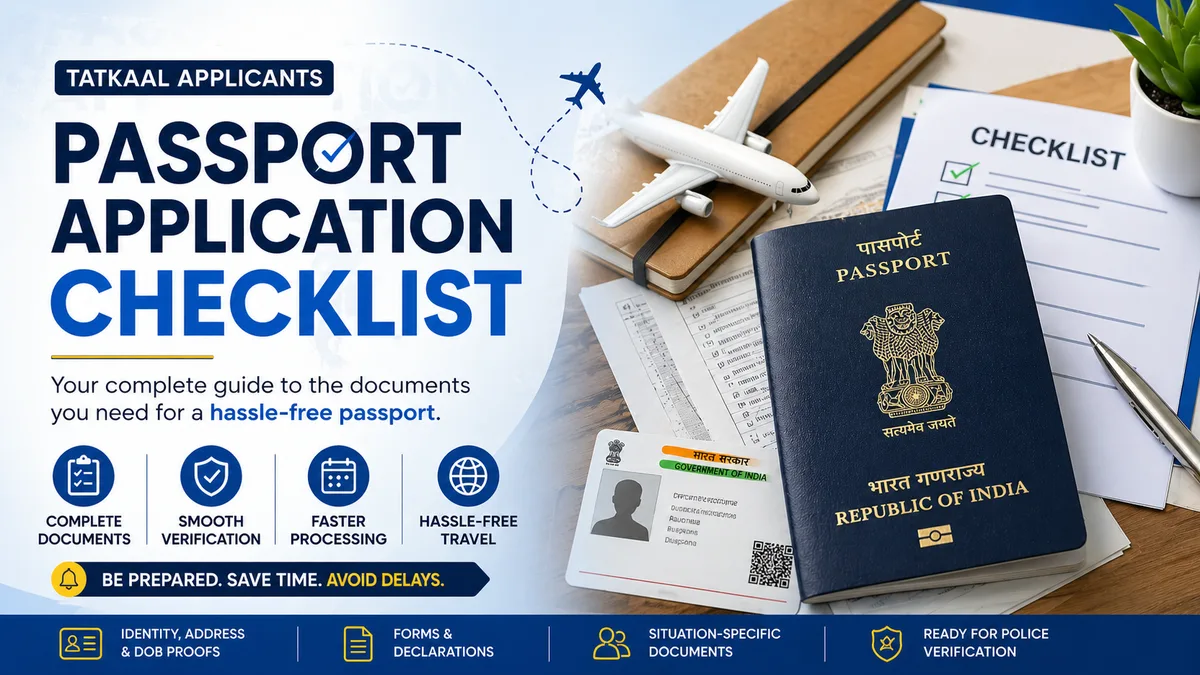
Yes, you can legally drive in Japan with an Indian driving licence—but only if you carry an official A6 paper booklet International Driving Permit (IDP) issued by an Indian Regional Transport Office (RTO) under the 1949 Geneva Convention (₹1,000 statutory Form 4A fee on Parivahan Sewa), alongside your physical Indian smart-card licence and passport. However, for a first family trip along the classic Tokyo–Kyoto–Osaka corridor, you should not rent a car for the cities: trains are faster and far cheaper, while a 1- to 2-day rental car only wins when a family of four branches off into rural legs like Lake Kawaguchiko (Mount Fuji), the Hakone–Izu loop, Shirakawa-go, or Hokkaido.
(All statutory fees, rental rates, tolls, and ₹ conversions in this guide are approximate as of 2026 at ≈¥1 = ₹0.56 and vary by state RTO rules, season, vehicle class, and operator. Always confirm current licence requirements with the Japan Automobile Federation (JAF) or your rental company before booking.)
When You Should NOT Rent a Car in Japan (And the 4 Legs Where a Family Wins)
Before you spend a morning at your local RTO, decide whether your itinerary actually benefits from a steering wheel. If your family is following a pure urban route like our 10-day Tokyo, Kyoto, and Osaka route, skip the rental car completely.
Why Driving Inside Tokyo, Kyoto, and Osaka Is a Trap
Hotel parking costs as much as a train pass: Central Tokyo and Kyoto hotels routinely charge ≈¥3,000 to ¥6,000 (≈₹1,680 to ₹3,360) per night simply to park, and many business hotels have height-restricted mechanical car lifts that reject family minivans.
Temple and ward congestion: Kyoto's Higashiyama and Arashiyama lanes gridlock by 10:00 AM. Coin parking lots (Times24 or Mitsui Repark) near major sights bill in 15- to 20-minute increments with no daily maximum cap on weekends, turning a 3-hour sightseeing stop into a ¥4,000 (≈₹2,240) parking bill.
Inter-city expressway tolls punish long highway drives: Driving the Tomei and Meishin Expressways from Tokyo to Kyoto takes over 6 hours and costs ≈¥11,000 to ¥13,500 (≈₹6,160 to ₹7,560) in one-way tolls alone, plus fuel and a massive ¥15,000 to ¥30,000 (≈₹8,400 to ₹16,800) one-way drop-off surcharge if you leave a Tokyo car in Kansai. For trunk city-to-city hops, our how to book Shinkansen tickets from India guide beats driving on every metric.
Train vs Rental Car Comparison for an Indian Family of 4 (2026 Rates)
Where a car flips the math for a family of four (2 adults + 2 children aged 6–11) is on hub-and-spoke rural loops where you pick up and return the car at the same regional station (eliminating one-way drop-off fees) and replace four people's express bus and local train tickets with one vehicle:
Leg (Family of 4) | By Train & Bus | By Rental Car (All-In) | What Decides It |
|---|---|---|---|
Tokyo ↔ Kyoto / Osaka trunk | ≈¥42,000 (≈₹23,500) on Nozomi (2h 15m) | ≈¥45,000+ (≈₹25,200+) with one-way drop fee & tolls (6h+) | Train wins easily. Never drive between major cities; check our is the Japan Rail Pass worth it for Indians math. |
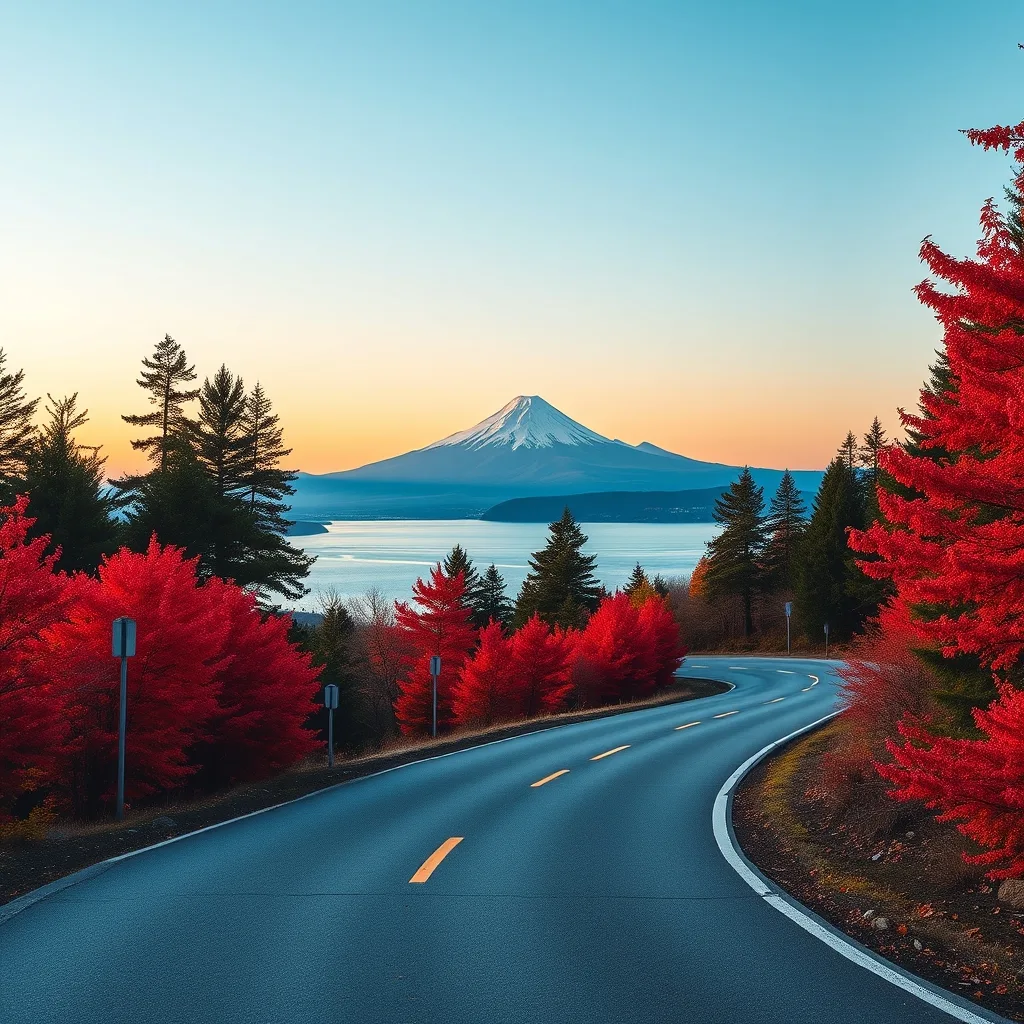
Fuji Five Lakes (1-day loop from Shinjuku or Mishima) | ≈¥16,000–¥22,000 (≈₹8,960–₹12,320) highway buses + Red Line sightseeing bus queues | ≈¥14,500–¥19,000 (≈₹8,120–₹10,640) compact/hybrid rental + Chuo tolls + fuel + free lake parking | Car wins for 3–4 people. You reach Chureito Pagoda, Lake Saiko, and Oshino Hakkai without waiting 45 minutes in bus lines. |
Hakone & Izu Peninsula (2–3 days from Odawara Station) | ≈¥24,000–¥30,000 (≈₹13,440–₹16,800) passes + limited express supplements | ≈¥24,000–¥32,000 (≈₹13,440–₹17,920) 48h rental ex-Odawara + turnpike tolls + ryokan parking (usually free) | Car wins with kids/elders. Eliminates hauling bags across 5 transport modes on our 4-day Hakone and Izu onsen route. |
Kanazawa ↔ Shirakawa-go ↔ Takayama (2-day Alps loop) | ≈¥26,000–¥33,000 (≈₹14,560–₹18,480) Nohi Bus + JR Hida for 4 | ≈¥22,000–¥29,000 (≈₹12,320–₹16,240) 48h rental + Hakusan White Road / Tokai-Hokuriku tolls (non-snow months) | Car wins Apr–Nov if Nohi Bus slots sell out; bus wins Dec–Mar to avoid heavy snow driving on our 3-day Shirakawa-go and Takayama route. |
(Note: All figures above are approximate 2026 estimates for 2 adults and 2 children; actual costs vary by rental dates, ETC toll discounts, and fuel prices.)
Tip: You do not have to choose between an all-train trip and an all-car trip. The smartest family setup on our 14-day Japan family itinerary from India is to ride the Shinkansen from Tokyo to Odawara Station or Mishima Station, pick up a Toyota or Nissan rental outside the station exit for 24 to 48 hours to tour Hakone and Lake Kawaguchiko, drop the car back at the same station, and board your afternoon bullet train to Kyoto.
The 1949 Geneva Convention Rule: Why You Must Inspect Your Indian IDP Before Leaving the RTO
Under Japanese law, an Indian domestic driving licence alone is invalid for driving in Japan. To pick up a rental car, your International Driving Permit must comply strictly with the specifications published on Toyota Rent a Car's official international driver's licence page and ToCoo! Car Rental's IDP verification requirements.
1. The Exact "19 September 1949" Wording Check
Japan is a signatory to the 1949 Geneva Convention on Road Traffic and explicitly rejects permits issued under the 1968 Vienna Convention, 1926 Paris Convention, or 1943 Washington Convention. When your RTO issues your IDP, open the front cover at the counter and confirm these three physical details before walking out:
Exact treaty title on the cover: It must print
CONVENTION ON ROAD TRAFFIC OF 19 SEPTEMBER 1949(or Convention on International Road Traffic of 19 September 1949). As ToCoo!'s counter rules warn: "If your International Driving Permit has any other date besides September 19, 1949, you cannot drive in Japan."Physical A6 paper booklet format (148 mm × 105 mm): Toyota Rent a Car mandates the 148 mm height × 105 mm width booklet type with your photograph affixed and signed/stamped. Plastic smart-card IDPs, single-sheet laminated printouts (unless accompanied by the bound 1949 booklet pages), and unofficial "online international licences" sold by private websites (such as IAA or IDL) are summarily rejected at every Japanese rental counter.
Category B stamp: Confirm the RTO officer has placed an official ink stamp over Category B (passenger motor vehicles up to 8 seats in addition to the driver's seat, up to 3,500 kg). If you are only stamped for Category A (motorcycles), the desk cannot release a car.
2. The "One Year From Issue AND One Year From Entry" Validity Rule
Most travel blogs state simply that an IDP is "valid for one year." Japanese rental desks enforce two simultaneous clocks:
1 year from the date of issue printed on your Indian IDP (or until your underlying Indian driving licence expires, whichever comes first).
1 year from your date of landing in Japan, verified strictly via the immigration landing permission sticker inside your passport.
How to Apply for an IDP in India for Japan (Parivahan / Sarathi Step-by-Step)
Because your IDP must be issued in India before you fly, slot this task right after your visa submission—ideally 3 to 4 weeks before departure so an RTO backlog never threatens your booking.
Required Documents for Form 4A on Parivahan Sewa
Applications run through the Ministry of Road Transport and Highways (MoRTH) Sarathi Parivahan portal (parivahan.gov.in → Online Services → Driving Licence Related Services → select your state → Apply for International Driving Permit). Keep these five items ready as PDFs/JPEGs (under 500 KB each):
Valid Indian Driving Licence (smart-card format; must hold at least 1 year of remaining validity and match your current state/RTO jurisdiction).
Valid Indian Passport (front and back bio pages).
Valid Japan Visa or Confirmed Return Air Tickets: Because Indian RTOs require proof of upcoming foreign travel, upload your issued Japan visa sticker/eVISA notice or your confirmed flight tickets (the same flight and route dates you prepared for your visa dossier).
Form 4A (Application for Issue of IDP): Generated automatically when you fill the online Sarathi form.
Form 1A (Medical Certificate): Required by most state RTOs for all IDP applicants (or applicants over age 40, depending on state transport rules), signed and stamped by a registered medical practitioner with their registration number.
Fee, Biometrics, and Realistic RTO Timeline
Statutory Government Fee: ₹1,000 under Rule 32 of the Central Motor Vehicles Rules, 1989 (plus minor state portal/postal dispatch charges of ≈₹50 to ₹200 depending on your state RTO; approximate and subject to state revision). (Note: If you apply through the Automobile Association of Upper India [AAUI], Western India Automobile Association [WIAA], or Automobile Association of Southern India [AASI], membership and processing charges add ≈₹2,000 to ₹3,500 on top.)
Processing Time: While a few contactless RTOs issue approvals in 3 to 7 working days, many metro RTOs in Delhi, Mumbai, Bengaluru, and Pune require an in-person document verification slot at the RTO window before printing and signing the physical A6 booklet, which takes 7 to 15 working days end-to-end.
Deadline Rule: Submit Form 4A at least 3 weeks before your flight. Never travel to the airport hoping to show a Parivahan payment receipt or SMS approval—Japan requires the physical stamped booklet in hand.
At the Japanese Rental Counter: The 4 Items You Must Hand Over
According to ToCoo!'s official car pickup checklist and Toyota Rent a Car's counter verification rules, the agent will refuse the keys—and charge a same-day cancellation fee—if you are missing any one of these four items:
1. Your 1949 Geneva Convention IDP Booklet
The physical A6 booklet issued by your Indian RTO, within 1 year of its issue date, stamped in Category B.
2. Your Original Physical Indian Driving Licence
Do not leave your Indian driving licence in your hotel safe or rely on the DigiLocker / mParivahan app. Japanese rental staff must visually match the licence number, expiry date, and name on your physical Indian smart-card licence against your IDP booklet.
3. Your Original Passport With the Immigration Landing Sticker
Rental agents are legally required to check the landing permission seal (QR sticker) placed inside your passport by Japanese immigration officers to confirm your entry date. Toyota Rent a Car explicitly warns that if you pass through an automated immigration gate without getting a physical landing stamp/seal in your passport, they cannot verify your landing date and must refuse the rental.
4. A Physical Credit Card & Punctual Arrival (The 1-Hour Rule)
Bring a physical Visa, Mastercard, or JCB credit card in the main driver's name (with international transactions enabled) to pay the rental balance and toll deposit. Also watch the clock: ToCoo! enforces a strict 1-hour grace window—if your train is delayed and you arrive more than 1 hour past your scheduled pickup time without calling the branch, the system automatically cancels your reservation and bills the cancellation penalty.
Tip: If both parents plan to share the driving on a Fuji or Hokkaido road trip, both drivers must hold their own 1949 IDP booklet and present their IDP, original Indian licence, and passport at the pickup counter so the agent registers both names on the rental contract. If an unregistered spouse drives and has a minor parking scrape, the insurance coverage (CDW/NOC) is voided completely.
Family Car Sizing, Mandatory Child Seats & the Luggage Trap
Indian families booking a Japanese rental car almost always under-size the vehicle. Japanese compact cars are engineered for tight urban streets, not four passengers with international check-in suitcases.
1. The Legal Child Seat Mandate (Under Age 6) & the "1.5-Seat" Rule
Under Article 71-3 of Japan's Road Traffic Act, every child under 6 years old must ride in an approved child safety seat. This is a strict legal mandate, not an optional rental upsell. As stated on ToCoo!'s official child seat policy page:
"If you have a child under 6 years old, please be sure to book child seat option beforehand. If you don't request a child seat in advance, car rental will be refused upon arrival."
The 1.5-Adult Space Calculation: Because Japanese child restraints are bulky, ToCoo! and major operators count 1 child seat as 1.5 adult seats (≈¥1,100 / ₹620 per rental or per day). For example, 4 adults + 1 child under 6 equals 5.5 seats, meaning a 5-seater sedan will be refused at booking; you must book a 6- to 8-passenger minivan (such as a Toyota Sienta, Honda Freed, or Toyota Noah/Voxy).
The Three Seat Categories: Rental forms split seats by age, weight, and height: Baby Seat (under 9–12 months, up to 9–10 kg), Child Seat (1 to 4 years, 9–18 kg, up to 100 cm), and Junior Booster Seat (4 to 6+ years, 15–36 kg, 100–135 cm). Select the exact tier during checkout.
2. Boot Space vs Forwarding Your Suitcases Ahead
A standard 5-seater compact (Toyota Yaris, Honda Fit, or Nissan Note; ≈¥7,500–¥10,000 / ₹4,200–₹5,600 per 24 hours) fits two large 28-inch suitcases max in the boot. If your family of four shows up at Odawara Station with four large bags and a stroller, they will not fit inside a compact car.
Rather than paying double for an 8-seater Toyota Alphard or Serena (≈¥18,000–¥25,000 / ₹10,080–₹14,000 per day), use the strategy from our Japan luggage forwarding (Takkyubin) guide: ship your big suitcases from your Tokyo hotel directly to your Kyoto hotel for ≈¥2,500 (≈₹1,400) per bag, travel to Odawara or Mishima with one overnight cabin bag, and rent a nimble compact hybrid for your 2-day Fuji and Hakone loop.
On the Road in Japan: Why Indians Have a Huge Advantage (And 5 Things That Are Different)
Here is the best news for Indian drivers: Japan drives on the left side of the road with right-hand-drive cars—the exact same side of the road and steering-wheel layout as India. While American and European tourists spend their first two hours panicking over lane positioning and hitting the windshield wipers instead of the turn signal, your muscle memory from India transfers 1:1.
Furthermore, virtually 100% of standard tourist rental cars in Japan are automatic transmission (with hybrid engines like the Toyota Aqua, Prius, or Corolla being the fleet default). Spend your attention instead on the five rules that differ sharply from Indian roads:
1. Rent an ETC Card for Expressway Tolls
Japanese expressways (Kosokudoro, marked by green signs) are expensive and increasingly converting to ETC-only (Electronic Toll Collection) gates that do not accept cash. When booking your car, add an ETC Card rental (≈¥330 / ₹185 flat fee at Toyota/Times/ToCoo!). The card slots into the dashboard reader, lets you breeze through purple ETC lanes at 20 km/h without stopping, gives you automatic 30% weekend/holiday toll discounts outside metro areas, and lets you settle the exact toll tally by credit card when you return the car.
2. Navigation: Use MapCodes + CarPlay (And Our Apps Stack)
Rural Japanese shrines, scenic viewpoints, and ryokans rarely have street numbers that work reliably in English text search. Every rental car's built-in GPS accepts Japanese phone numbers and Denso MapCodes (a 6- to 10-digit grid number printed on tourist brochures and hotel confirmations), while newer Toyota and Nissan rentals support wired/wireless Apple CarPlay and Android Auto. Before you leave your hotel Wi-Fi, set up the navigation and offline transit stack covered in our best Japan travel apps guide.
3. The Red Triangle "TOMARE" (止まれ) Complete-Stop Rule
The single most common traffic ticket issued to foreign tourists in Japan is rolling through a downward-pointing red triangle sign reading 止まれ (Tomare — Stop). Even on an empty rural lane near Lake Kawaguchiko, Japanese police enforce a complete 2-second wheel stop behind the white line before creeping forward to check visibility. A rolling stop carries a fine of ≈¥7,000 (≈₹3,920). Also note that every railway level crossing in Japan requires a full stop before the tracks—even when the barriers are up and no alarm is ringing.
4. Pedestrians on Turns & Strict Zero-Tolerance Alcohol Laws
When you turn left or right at a green traffic light in Japan, the parallel pedestrian crosswalk almost always has a green walk signal at the same time. You must yield completely until every pedestrian has cleared the crossing. In addition, Japan enforces a 0.00% zero-tolerance blood alcohol rule: a single glass of beer at dinner makes driving a criminal offence, and under Japanese law, adult passengers riding with an impaired driver can also be prosecuted.
5. Insurance: Always Add NOC (Non-Operation Charge) Waivers
Basic Japanese car rentals include basic insurance plus a Collision Damage Waiver (CDW), but if you scratch a bumper or get a stone chip on the windshield, the rental company still charges a mandatory Non-Operation Charge (NOC) of ¥20,000 (≈₹11,200) if the car can be driven back to the depot, or ¥50,000 (≈₹28,000) if it must be towed. Always check the box for Full Coverage / NOC Compensation (Anshin Pack / T.A.S.) for ≈¥1,100 to ¥2,200 (≈₹620 to ₹1,230) per day—it reduces your out-of-pocket liability to ¥0 and typically includes roadside assistance and flat-tire cover.
Sample 2-Day Self-Drive Re-Cut: Replacing 3 Trains and 2 Buses Around Mount Fuji & Hakone
If you compare our Mount Fuji day trip from Tokyo by train and bus with our 4-day Japanese Alps Takayama, Shirakawa-go, and Kanazawa guide, you can see how much time rural bus timetables consume. Here is how a family of four can re-cut Days 4 and 5 of a Tokyo–Kyoto trip into a seamless 48-hour self-drive loop out of Odawara Station:
Day 4 Morning (08:30): Ride the 35-minute Shinkansen Kodama from Tokyo Station to Odawara Station (forward your big suitcases from Tokyo to Kyoto via Takkyubin before checkout). Walk 3 minutes to Toyota Rent a Car Odawara Shinkansen-guchi and pick up a compact hybrid with an ETC card and pre-booked child seat.
Day 4 Midday (09:30–14:30): Drive up through the Hakone mountain hairpins to the Hakone Open-Air Museum and Owakudani volcanic valley, parking right at the crater lot without queuing for the cablecar-to-ropeway transfer.
Day 4 Afternoon (15:00–17:30): Drive north over the Nagao Pass or via Gotemba into the Fuji Five Lakes, stopping at Oshino Hakkai and checking into a lakeside hotel at Lake Kawaguchiko (free hotel parking).
Day 5 Morning (07:30–12:30): Beat the Tokyo tour buses by driving 10 minutes to Oishi Park at 07:30 AM for crystal-clear Mount Fuji views, followed by Chureito Pagoda and the quiet western shore of Lake Saiko—a loop that takes 3 separate bus lines without a car.
Day 5 Afternoon (13:30–16:30): Drive back down via the Gotemba Premium Outlets or Lake Ashi, refill the tank with Regular gasoline (Red nozzle —
レギュラー, ≈¥175/litre) at a staffed ENEOS or Idemitsu gas station within 5 km of Odawara Station (keep the paper fuel receipt to show the counter!), return the car at Odawara Station by 16:30, and board the 17:08 Shinkansen Hikari straight into Kyoto Station by 19:15.
Frequently Asked Questions (FAQ)
Can I drive in Japan with just my Indian driving licence or DigiLocker?
No. An Indian smart-card driving licence on its own (and digital licences in DigiLocker or mParivahan) is not legally valid for driving in Japan. You must carry both your physical Indian smart-card licence and a physical A6 paper booklet International Driving Permit issued in India under the 1949 Geneva Convention, plus your passport.
How much does an International Driving Permit (IDP) for Japan cost in India?
The official government fee for Form 4A on the MoRTH Sarathi Parivahan portal is ₹1,000 under Rule 32 of the Central Motor Vehicles Rules (plus minor state service/postal charges of ≈₹50–₹200; approximate and varies by state RTO). Processing typically takes 3 to 15 working days depending on whether your local RTO requires an in-person verification appointment.
Is a digital or plastic-card IDP accepted at Japanese car rental counters?
No. Major operators including Toyota Rent a Car, Nippon Rent-A-Car, Times Car Rental, Orix, and ToCoo! require the physical A6 paper booklet (148 mm × 105 mm) bearing the title CONVENTION ON ROAD TRAFFIC OF 19 SEPTEMBER 1949 and an ink stamp in Category B. Unofficial "online international driving permits" sold by third-party websites are illegal in Japan and will be rejected at pickup.
Are child seats mandatory in rental cars in Japan?
Yes. Under Japan's Road Traffic Act (Article 71-3), a child safety seat is legally mandatory for every child under 6 years old. You must reserve the appropriate Baby, Child, or Junior seat when booking your car; if you arrive at the rental counter with a child under 6 and no pre-booked child seat, the outlet will refuse to hand over the vehicle. Remember that rental brokers like ToCoo! count each child seat as 1.5 adult seats when calculating vehicle capacity.
Are rental cars in Japan automatic or manual, and which side of the road do they drive on?
Japan drives on the left side of the road with right-hand-drive cars—identical to India. Nearly 100% of passenger rental cars in Japan are automatic transmission (most commonly petrol-electric hybrids). At the petrol pump, standard unleaded cars take Regular (レギュラー, always a RED nozzle), high-octane sports cars take High-Octane (ハイオク, yellow nozzle), and Diesel is 軽油 (green nozzle—never put green-nozzle diesel into a regular car!).
What happens if I drive in Japan without a valid 1949 IDP?
Driving without a valid 1949 Geneva Convention IDP is prosecuted in Japan as unlicensed driving (Mumenkyo Unten), a serious criminal offence punishable by up to 3 years' imprisonment or a fine of up to ¥500,000 (≈₹2.80 Lakhs), immediate deportation, and complete invalidation of all motor insurance. Rental counters check every permit page-by-page, so they will not release the keys without a valid booklet.
Re-Cut Your Japan Route Around the Legs a Car Actually Wins
Once you apply for your ₹1,000 IDP on Parivahan, your next step is slotting your 24- or 48-hour rental cleanly between your Shinkansen legs so your hotel bases, luggage forwarding, and pickup stations line up to the hour. Use NextDestination.ai to build your custom Japan family travel itinerary—mix high-speed rail days in Tokyo and Kyoto with a self-drive Fuji or Alps loop, adjust daily pacing for your kids, and export your dated day-by-day plan as a clean A4 PDF ready for both your VFS visa application and your road trip.