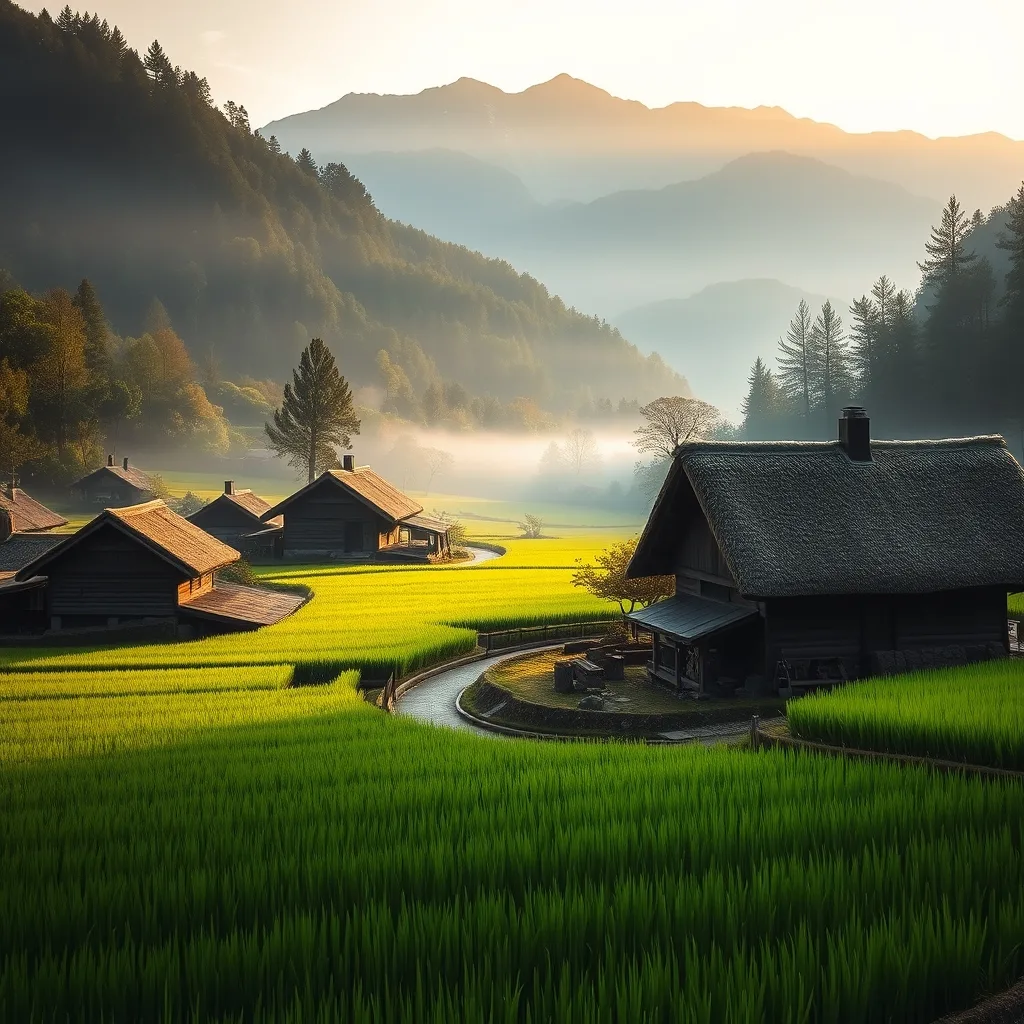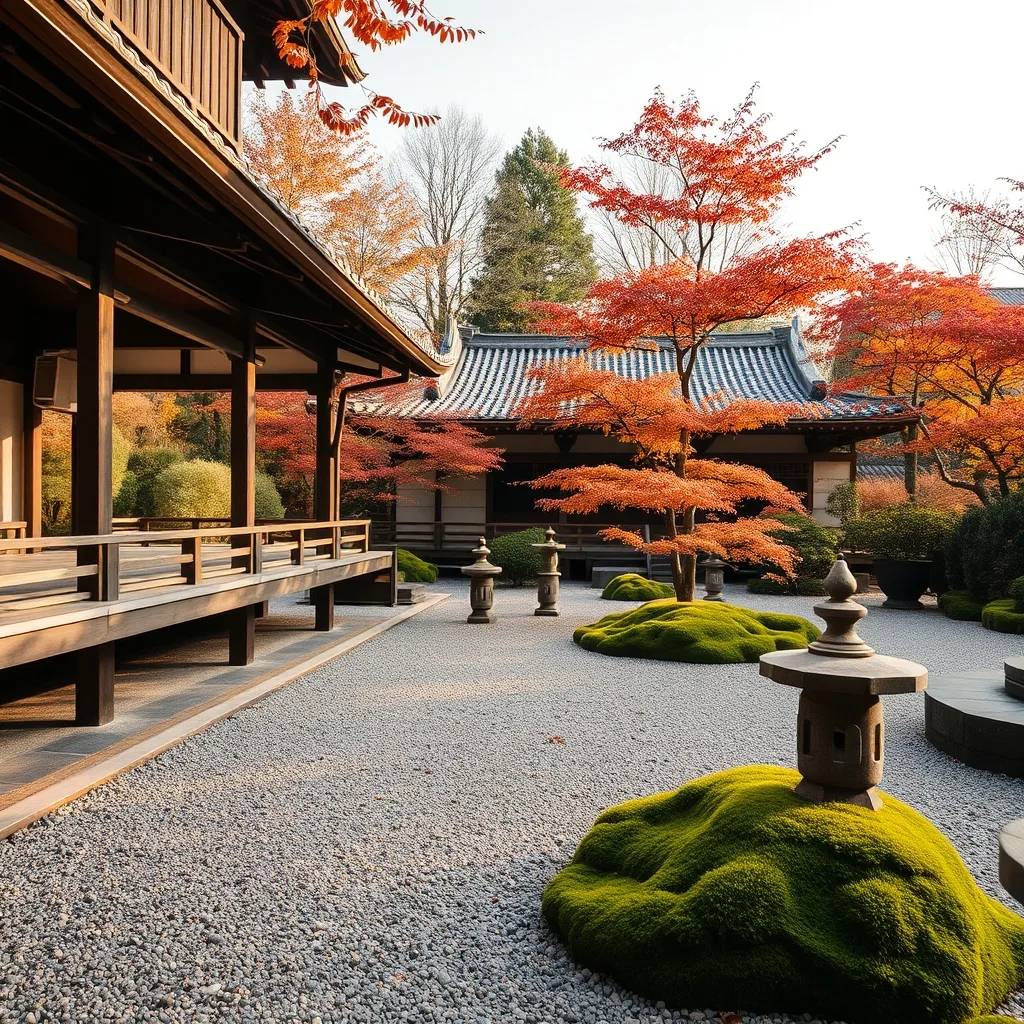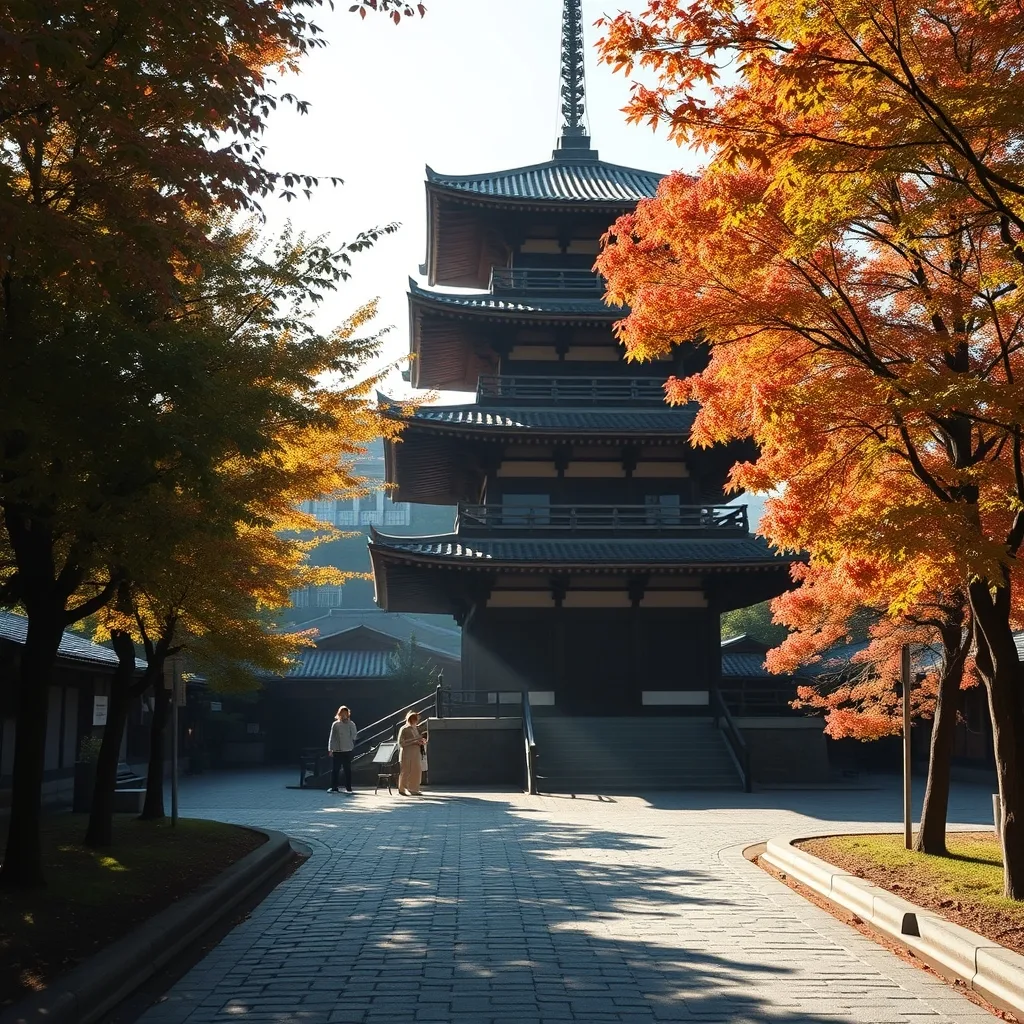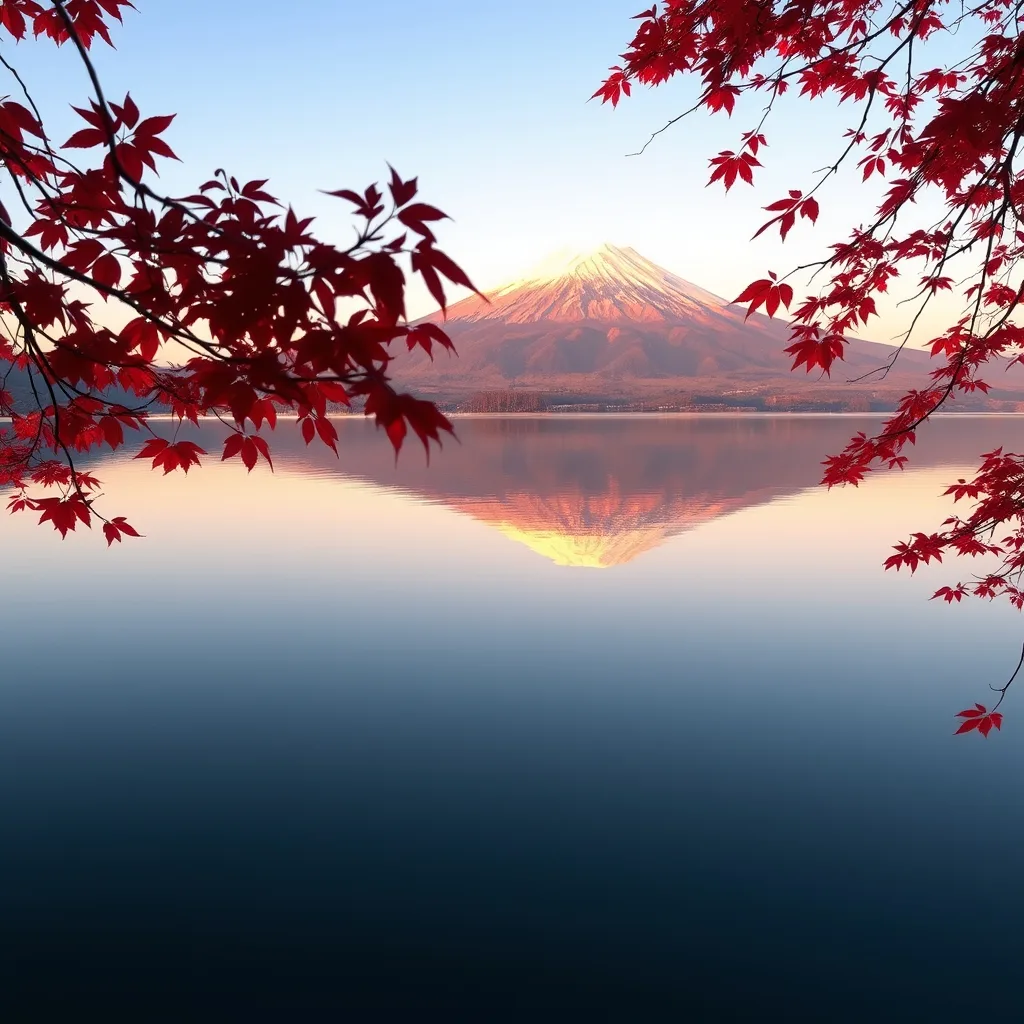
Yes — Mount Fuji works as a day trip from Tokyo: the direct Fuji Excursion train puts you under the mountain in under two hours for ¥4,200 (about ₹2,520) each way, and if you go before 10 a.m. you have a real chance of actually seeing it. The catch is the same one every couple discovers too late: Fuji is a morning mountain that hides behind haze and cloud by midday, so a leisurely 10:30 start usually buys you a grey wall. This guide gives you the one route that stacks the odds — Chureito Pagoda first, lake second — the train-vs-bus maths in ₹, and an honest answer to when you should book a night by the lake instead. (All ₹ figures use ¥1 ≈ ₹0.60, the approximate rate as of August 2026 — they'll drift with forex.)
The Verdict: Day Trip, Overnight, or Hakone Instead?
Three itineraries fight over the same mountain, so settle this before booking anything.
Do the Kawaguchiko day trip if you're based in Tokyo for four or more days and the Fuji photo — the pagoda shot, the lake reflection — is a priority. This is the most direct view of Fuji you can get without sleeping there, and this post is that plan.
Stay a night at Lake Kawaguchiko if this is a honeymoon and the mountain is the shot you came for. Fuji is clearest at sunrise; day-trippers arriving at 9:30 catch the tail end of the good window, overnighters get the whole thing from a lakeside onsen bath. It's the difference between a real chance and a near-guarantee (cloud permitting — nothing guarantees Fuji).
Skip this day trip entirely if your route continues to Kyoto or Osaka. Then Hakone — which sits on the way — gives you Fuji views without backtracking, and our Hakone itinerary from Tokyo plus the night-allocation argument in our 10-day Japan itinerary make that case in full. Kawaguchiko is the more direct Fuji view; Hakone is the more varied day. Don't do both on a first trip.
Budget roughly ₹5,000–₹8,500 per person for the full day from Shinjuku, depending on the train-vs-bus choice below.
Getting There: The ¥4,200 Train or the ¥2,200 Bus?
Both leave from Shinjuku, and the honest answer for a couple is one of each — train out, bus back.
Option | Time | One-way fare | Notes |
|---|---|---|---|
Fuji Excursion limited express, Shinjuku → Kawaguchiko | 1 h 54 min | ¥4,200 (~₹2,520) | Direct, all seats bookable, stops at Shimoyoshida for Chureito |
Highway bus, Busta Shinjuku → Kawaguchiko Station | ~1 h 45 min | ¥2,200 (~₹1,320) | Cheaper; can sit in traffic on weekend mornings |
Fares approximate, per person; from the operators' pages as of August 2026 — verify when you book.
The train out. The Fuji Excursion is the only direct train — ¥2,580 base fare plus a ¥1,620 express fee, per Fujikyu Railway's own page. Take the first departure of the morning (around 7:30; there are usually three morning trains, with extras on weekends — check the seasonal timetable). Two reasons the extra ₹1,200 over the bus is worth it in the morning: a guaranteed reserved seat at a fixed time, and — this is the route's best trick — it stops at Shimoyoshida, the station for Chureito Pagoda, so you get the iconic viewpoint while the mountain is still out.
The bus back. The Shinjuku–Kawaguchiko highway bus is ¥2,200 and runs later into the evening than the last direct train (which leaves Kawaguchiko around 5:30 p.m.). Traffic risk matters much less on the way home. Book a seat online in advance — evening buses fill on weekends.
Booking from India, before you fly
Reserved seats open one month ahead at 10:00 a.m. JST — that's 6:30 a.m. IST — on the JR-EAST Train Reservation site (English interface; international Visa/Mastercard accepted). Fujikyu Railway announced full online booking for the Fuji Excursion there from late August 2025, so there's no counter visit needed. For a weekday trip, booking a few days out is usually fine; for a weekend or the autumn-leaves season, set the 6:30 a.m. alarm and book the day seats open — cherry-blossom and autumn weekends sell out fast. The highway bus books on highway-buses.jp the same way.
Tip: Holding a JR Pass? It covers this train only as far as Otsuki — the rest of the run is the private Fujikyu line, which you pay for separately. A day trip like this is exactly the kind of journey that doesn't justify a pass, a trap we work through in our JR Pass maths for Indian travellers.
What the Day Costs in ₹
Per person, from Shinjuku, using the recommended train-out-bus-back combination:
Item | Cost (approx.) |
|---|---|
Fuji Excursion out + highway bus back | ¥6,400 (~₹3,850) |
Local train Shimoyoshida → Kawaguchiko + sightseeing buses |
|
Mt. Fuji Panoramic Ropeway (round trip) | ¥1,000 (~₹600) |
Lunch + coffee by the lake |
|
Day total |
|
Approximate and per person; prices vary by season and booking window. Taking the bus both ways trims the total to about ₹5,000; the train both ways pushes it toward ₹8,500. Chureito Pagoda itself is free. For where this sits in the whole trip's money picture, see our Japan trip cost breakdown from India.
The Hour-by-Hour Route
The order is the strategy: viewpoints in the morning, lake in the afternoon. Every hour you delay the first viewpoint is an hour of visibility you hand back to the haze.
07:30 — Fuji Excursion out of Shinjuku
Board the first departure with conbini coffee and breakfast in hand (grab it inside Shinjuku station — the platform is on the JR side). Keep cameras ready after Otsuki: Fuji makes cameo appearances out the windows as the train climbs the Fujikyu line. You'll be at Shimoyoshida a little after 9.
09:15 — Chureito Pagoda, before the clouds
Get off at Shimoyoshida, a small station a few minutes before the Kawaguchiko terminus. It's a five-minute walk to the base of Arakurayama Sengen Park, then 398 steps up to the Chureito Pagoda — the five-storey pagoda that frames Mount Fuji in the single most famous photo composition in Japan. The park is free and always open; the climb takes 15–20 minutes at a couple's pace (there's a gentler paved slope if the steps don't appeal). You've seen this frame in April (cherry blossoms) and November (maples) — it's worth the climb in any month the mountain is out.
11:00 — Local train to Kawaguchiko, lunch by the station
Walk back down to Shimoyoshida and hop a local Fujikyu-line train to Kawaguchiko Station (10–15 minutes, a few hundred yen — the line takes Suica/PASMO, so just tap in). If the timing lines up, detour about ten minutes on foot from Shimoyoshida station to Honcho Street first — the sloping shopping street with Fuji rising dead-centre above the shop signs, the other photo the two of you came for. Have lunch near the station or the lakeshore (vegetarian notes below).
13:00 — Mt. Fuji Panoramic Ropeway
Three minutes on the Mt. Fuji Panoramic Ropeway (¥1,000 round trip, ¥500 child, runs 8:30–17:00 most of the year, per the operator) lifts you up Mount Tenjo for the postcard angle: Fuji filling the sky with the whole of Lake Kawaguchiko in the foreground. There's usually a queue by early afternoon; 30–45 minutes on top is plenty. Walkers can hike down in about 30 minutes instead of riding back.
14:30 — The north shore: Oishi Park and the lakeside
Take the local Fujikyu sightseeing bus (the Red Line loop from Kawaguchiko Station; a 1-day unlimited pass is around ¥1,500 via the station counter or their mobile ticket) to Oishi Park on the north shore — flower beds in season, lavender in early summer, and the cleanest across-the-water Fuji view of the day. In late autumn, get off earlier for the Momiji Corridor, a maple tunnel that turns incandescent in November. This is the unhurried, hand-in-hand stretch of the day — cafés with lake views included.
16:45 — Back to the station, and home
Bus back to Kawaguchiko Station. If you reserved the evening highway bus, you have time for coffee; if you're chancing the last direct train (around 5:30 p.m.), be on the platform early. Either way you're back in Shinjuku for a late dinner.
Tip: Before you commit the day, check tomorrow's mountain: any weather app's visibility forecast for Fujiyoshida, or a live Kawaguchiko webcam the night before. If the forecast is solid cloud, swap this day with your Tokyo museum/shopping day and go when the sky clears — that flexibility is the single biggest upgrade to your odds.
Will You Actually See Mount Fuji? An Honest Answer
Maybe — and the plan above is built so the day is still good if you don't. Fuji is notoriously shy: clearest on crisp winter mornings (November–February), hazy through much of summer, and most likely to vanish after midday in any season. Three rules stack the odds:
Go early. The 7:30 train exists for a reason; by 2 p.m. the summit is often wearing a cloud cap even on "clear" days.
Go early in your trip. If you're in Tokyo five days, put this day second or third — if it clouds over, you can swap and retry.
Go in the cooler months if you can. A December couple sees the mountain most mornings; an August couple should treat a sighting as a bonus.
If the mountain stays hidden, the pagoda, the ropeway, the lake and the maple corridor still make a lovely day — just not the day you came for. That's the honest trade, and it's also the strongest argument for the overnight below if your dates are locked to summer.
If You Stay the Night: The Sunrise Argument
One night at Lake Kawaguchiko turns a decent chance of Fuji into the best odds available. The mountain is sharpest in the first two hours after dawn — before day-trippers arrive — and the north shore's ryokan and guesthouses point straight at it. Expect roughly ¥8,000–15,000 (~₹4,800–9,000) per person for guesthouses and small hotels, and ¥20,000–40,000 (~₹12,000–24,000) per person for lakeside onsen ryokan with dinner — approximate, seasonal, and worth booking early for autumn weekends. Two notes from our own playbook: request a Fuji-view room explicitly (it's a named category and sells out first), and if you want the ryokan dinner, ask for vegetarian kaiseki at booking time — good inns will do it with notice, none can improvise it on the night. Check out, catch a morning return, and you've spent barely 24 hours for double the mountain.
Where This Day Fits Your Japan Route from India
Tokyo-only trip (4–6 days): this is your one big day out of the city. It slots cleanly after a plan like this 3-day Tokyo itinerary you can copy into your own trip — Tokyo days first, mountain day when the forecast is best. Our 5-day solo itinerary runs exactly this shape with Fuji on day four.
Tokyo + Kyoto/Osaka trip: don't burn a day backtracking — take the Hakone-en-route move from our 10-day itinerary instead, and bank this Kawaguchiko day for the trip when you return.
Honeymoon pacing: pair it with the slower of your Tokyo days — our 3-day Tokyo itinerary for couples is built to absorb exactly this kind of swap-day.
Eating Vegetarian at Kawaguchiko
The regional dish is hōtō — flat udon simmered with pumpkin and vegetables in miso. It looks like the perfect vegetarian lunch, but most shops build the broth on fish or meat stock, the same dashi trap we map in our vegetarian guide to Tokyo. Ask explicitly — "dashi wa sakana desu ka?" (is the stock fish?) — and you'll find some lakeside restaurants can do a vegetable-stock version, especially with notice. The reliable fallbacks: the bakery-cafés along the north shore near Oishi Park (pick the plain and vegetable breads), and the conbini cluster at Kawaguchiko Station — onigiri (ume, kombu), inari sushi, fruit, and enough snacks to keep two people happy on a mountain. Stock up before the ropeway; options above lake level are thin.
FAQ
Is a Mount Fuji day trip from Tokyo worth it? If you're based in Tokyo and go early on a decent-forecast day, yes — Chureito Pagoda and the lake viewpoints deliver the closest, clearest Fuji you can get without staying over. If your route moves on to Kyoto anyway, Hakone en route is the smarter mountain day.
Train or bus from Shinjuku? Train out (¥4,200 — fixed morning arrival plus the Shimoyoshida/Chureito stop), bus back (¥2,200 — runs later than the last 5:30 p.m. direct train). Bus both ways is the budget version at about ₹2,650 return.
Can I book the Fuji Excursion from India? Yes — on the JR-EAST Train Reservation site in English with an international card. Seats open one month ahead at 10:00 a.m. JST (6:30 a.m. IST); book release-day for weekends and autumn, a few days ahead for weekdays.
Is the JR Pass valid for this trip? Only to Otsuki. The Otsuki–Kawaguchiko stretch is the private Fujikyu line (¥1,170 base fare), paid separately even with a pass.
What if Mount Fuji is completely clouded over? Swap the day. The route is a Tokyo-based day trip precisely so you can move it — check the visibility forecast the night before and trade it with a city day. If your dates can't flex and the mountain matters, book the Kawaguchiko overnight instead and take the sunrise window.
Kawaguchiko or Hakone for seeing Fuji? Kawaguchiko is closer and more direct — the mountain dominates everything. Hakone is a more varied day (ropeway, volcanic valley, lake cruise) where Fuji is the garnish, and it sits on the Tokyo–Kyoto route. Direct view: Kawaguchiko. Better all-round day trip en route: Hakone.
Turn the Mountain Day Into a Full Japan Plan
This day trip is one card in a bigger hand — how many Tokyo days, whether Hakone replaces it, what the whole trip costs in ₹. Feed your dates into NextDestination's free planner and build your custom Japan travel itinerary — it drafts the day-by-day route with your Fuji day where the weather logic says it should go, and exports the dated PDF your visa file (and both sets of parents) will ask for.