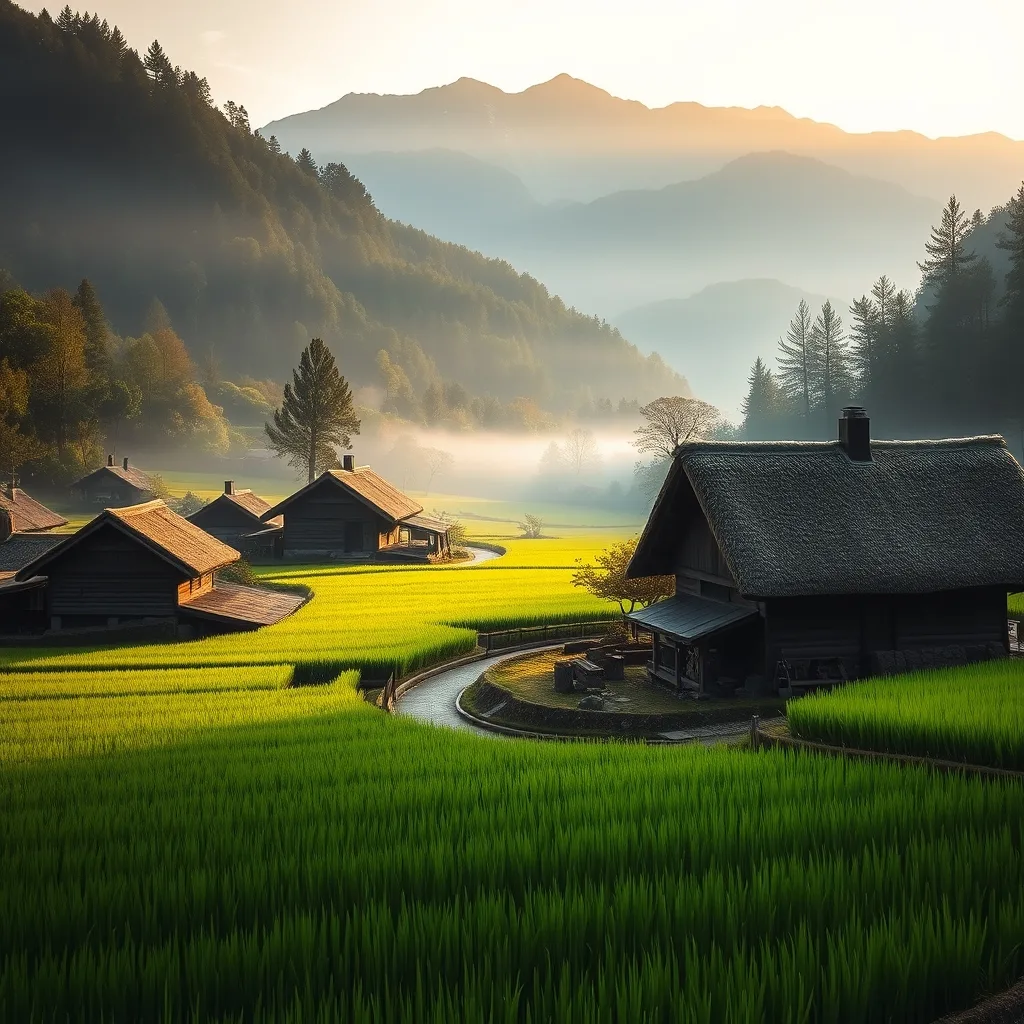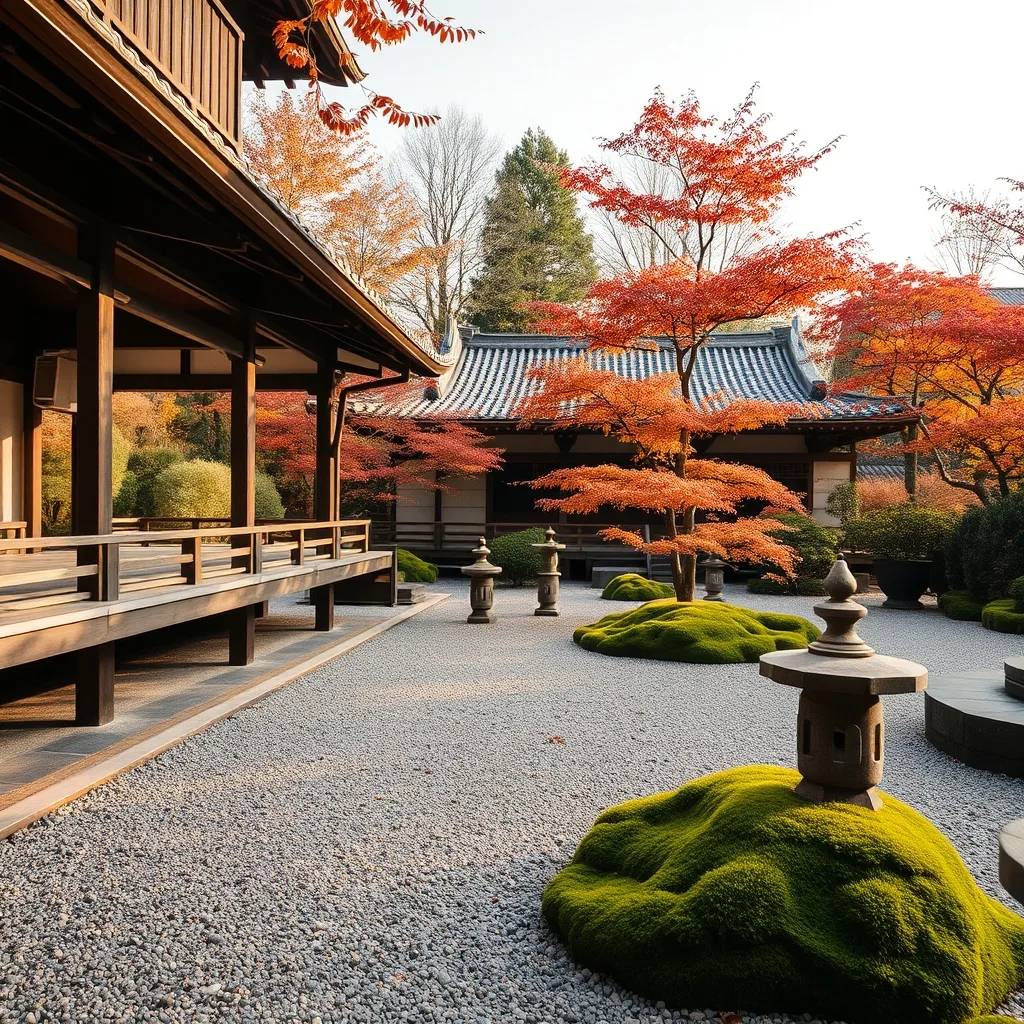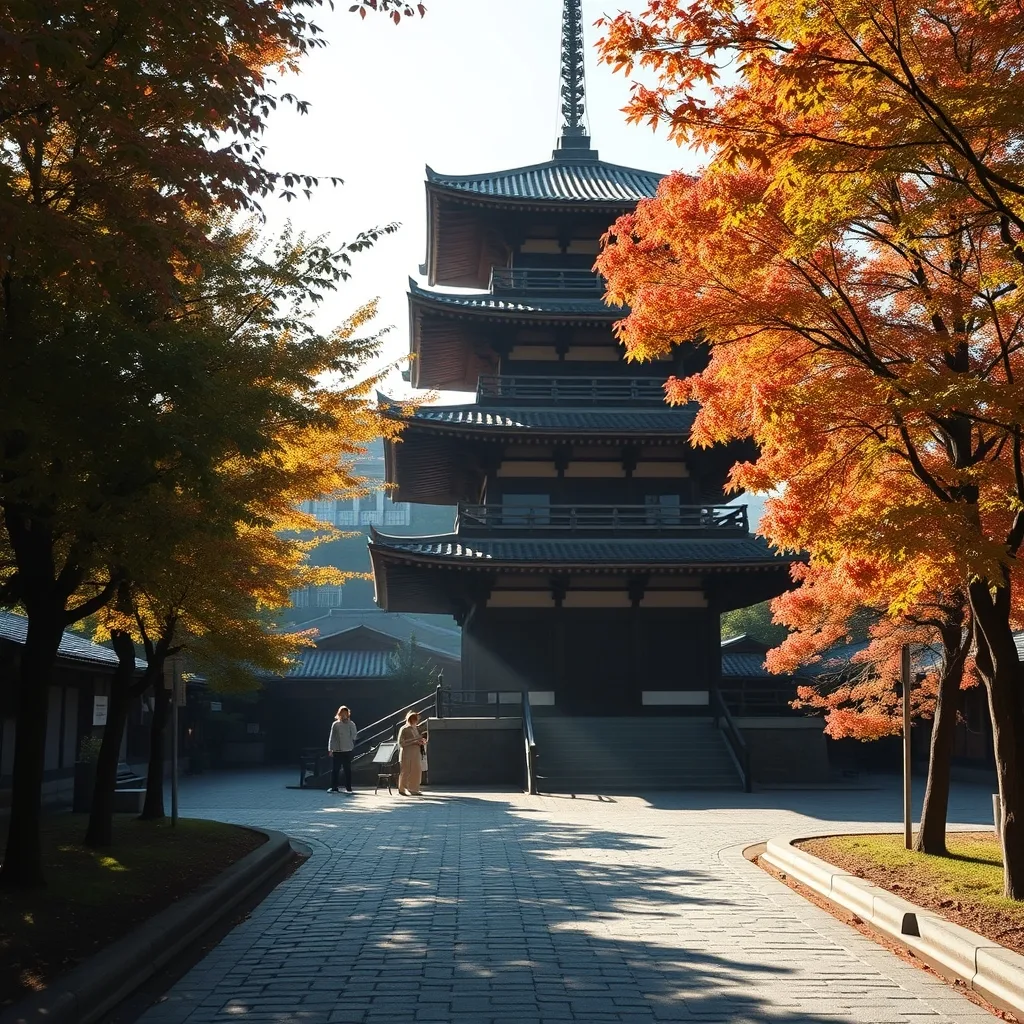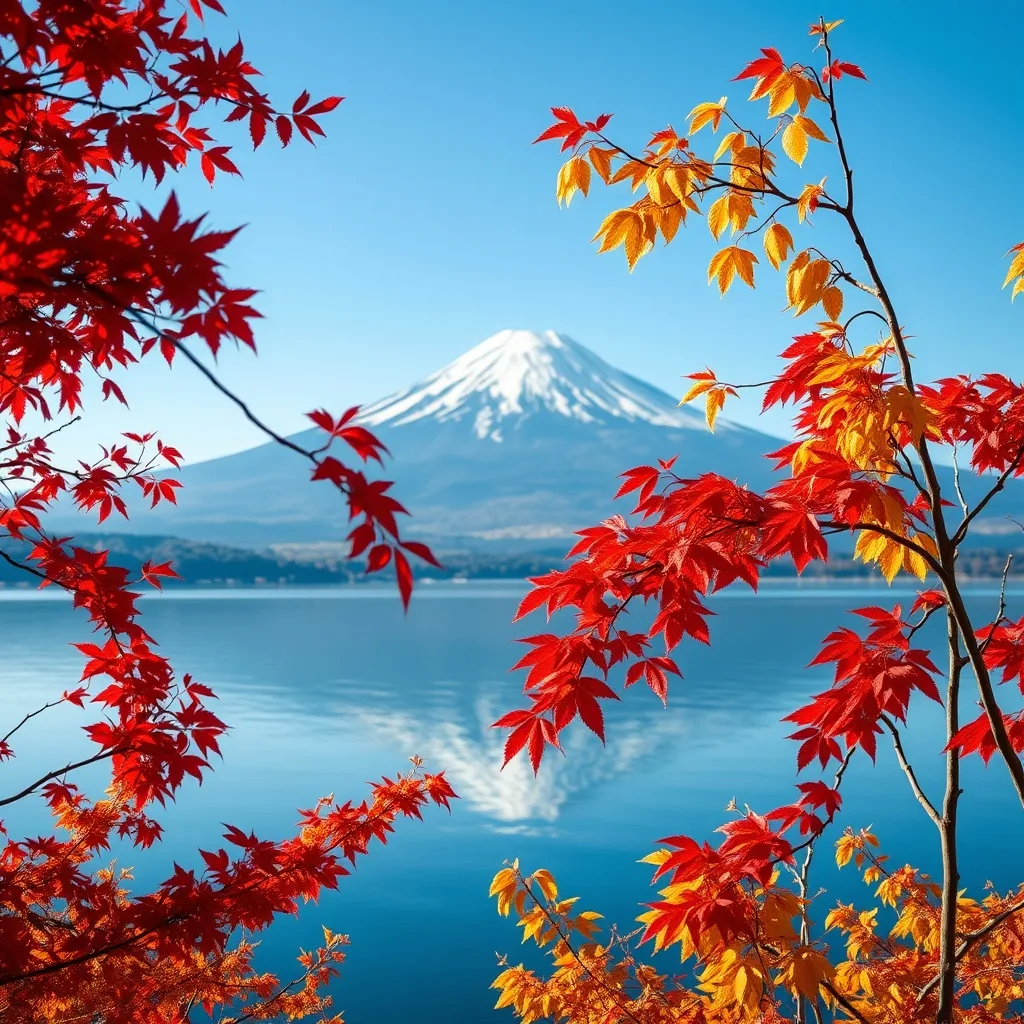
To catch Japan's autumn foliage (koyo) at its absolute peak in 2026, you should plan your core Kyoto days between 20 November and 30 November, and lock your flights and central accommodation right now in September before prices jump. Unlike cherry blossoms, which bloom and drop in a fragile seven-day window, autumn leaves turn gradually from north to south and high elevations to low over nearly two months, giving couples travelling from India a generous window to witness fiery crimson maples (momiji) and luminous golden ginkgo trees. However, because late November coincides with Japan's domestic Labour Thanksgiving holiday and high global demand, Kyoto rooms book out two to three months in advance, and flight fares from Delhi or Mumbai climb steeply once October begins.
This guide provides the expected 2026 peak foliage windows by region based on meteorological timing, the exact reverse booking timeline for Indian passport holders (balancing the visa calendar against hotel releases), a tested seven-day route, and critical advice for navigating crowds and dining as a couple.
(All ₹ costs in this guide are approximate estimates based on current September 2026 exchange rates of ¥100 ≈ ₹56–58, assuming booking two to three months ahead. Flight fares and hotel rates fluctuate with seasonality, airline inventory, and demand.)
Peak Autumn Foliage Dates by Region (2026 Forecast & Historical Windows)
Japan's autumn colour season moves in reverse compared to spring: cooler temperatures trigger the colour change, starting in northern Hokkaido in late September and sweeping southward toward Tokyo and Kyoto by late November. Official forecasts from the Japan Meteorological Corporation and Weathernews Japan are updated regularly from September through November.
When planning your trip, distinguish between koyo (red Japanese maples) and koyo/icho (golden ginkgo). Ginkgo trees in Tokyo often peak slightly earlier or simultaneously with southern maples.
Region & Destination | Peak Foliage Window | Iconic Viewing Spots | Recommended Base |
|---|---|---|---|
Hokkaido (Daisetsuzan, Sapporo) | Late Sept – Mid Oct | Jozankei Onsen, Maruyama Park | Sapporo |
Tohoku & Nikko (High Elevation) | Early Oct – Early Nov | Lake Chuzenji, Irohazaka, Kegon Falls | Nikko or Tokyo day trip |
Fuji Five Lakes (Kawaguchiko) | Late Oct – Mid Nov | Momiji Corridor, Lake Kawaguchiko Shore | Kawaguchiko / Tokyo |
Tokyo Metropolitan Area | Mid Nov – Early Dec | Meiji Jingu Gaien (Ginkgo), Rikugien | Shinjuku or Shibuya |
Kyoto & Kansai (The Sweet Spot) | 20 Nov – 30 Nov | Eikando, Tofuku-ji, Arashiyama | Central Kyoto or Osaka |
Tip: If your trip spans mid-November to early December, position Tokyo at the start of your journey and Kyoto toward the end (around 22–28 November). This mirrors the natural southward progression of leaf pigmentation and guarantees peak vibrant reds across Kyoto's temple gardens.
The Reverse Booking Timeline for Indian Travellers
Unlike domestic Japanese tourists or visa-exempt Western travellers, Indian passport holders face a dual deadline: the booking clock and the visa clock. You cannot submit your VFS Japan visa application without confirmed flight tickets and hotel bookings matching your day-by-day itinerary, yet waiting for visa approval before booking flights means paying double for seats and settling for distant hotels.
Here is the exact week-by-week calendar you should follow to book smoothly without unnecessary risk:
Timeline | Milestone Action | Why This Specific Deadline | Estimated Cost (₹ per Couple) |
|---|---|---|---|
September (Now) | Book Flights & Kyoto Hotel | Avoid peak fare hikes; secure central Kyoto rooms | Flights: ₹96,000–1,30,000; Hotels: ₹12,000–22,000/night |
6–8 Weeks Out (Late Sept/Oct) | Submit VFS Japan Visa | 5–7 working days processing; allows buffer for appointments | Visa fee: ₹500 + VFS charge ≈ ₹1,300–1,500 each |
30 Days Out (Late October) | Shinkansen & Attraction Slots | Bullet train seat reservations open; sunset tickets release | Shinkansen: ≈ ₹8,500/seat; Attractions: ₹1,500–2,200/ticket |
1–2 Weeks Out (Early November) | eSIM, Forex & Transit Setup | Activate digital transit cards; lock forex rates | eSIM: ₹1,200–2,500; Suica load: ₹3,000–5,000 |
September (Now): Lock Flights and Kyoto Accommodation
Direct flights from Delhi to Tokyo (Air India, ANA, or Japan Airlines) and connecting flights from Mumbai, Bengaluru, or Chennai (Singapore Airlines, VietJet, Thai Airways) for November travel currently hover between ₹48,000 and ₹68,000 per person round-trip. By mid-October, these same seats routinely surge above ₹85,000. Review our breakdown of flight costs from India to Tokyo for routing comparisons.
For accommodation, Kyoto is the bottleneck. The city's boutique hotels and traditional ryokans in historic wards like Gion, Higashiyama, and Karasuma fill up rapidly. If central Kyoto rates exceed your budget, book near Shin-Osaka Station or Osaka's Umeda district instead; a JR Special Rapid train connects Osaka to Kyoto in just 29 minutes for ¥580 (about ₹330).
Tip: Keep the local tourist tax in mind when calculating room expenses. Kyoto levies an accommodation tax ranging from ¥200 to ¥1,000 per person per night depending on room rates, as detailed in our guide to the 10-day Japan itinerary.
September–October: The Visa Clock vs Booking Clock
An Indian tourist visa for Japan requires a confirmed flight itinerary, hotel reservation vouchers, six months of bank statements, your latest ITR-V, and an official day-by-day Schedule of Stay (Taizai Yoteihyo).
Do not rely on unconfirmed "dummy" tickets that may cancel while the consulate is reviewing your file. Book genuine flights with flexible cancellation terms, or standard economy tickets if your travel dates are firm. Visa processing typically takes five to seven working days from submission at your local VFS Global centre (Delhi, Mumbai, Bengaluru, Chennai, Kolkata, Kochi, or Hyderabad). Ensure your Schedule of Stay lists every hotel, dates of entry, and daily planned activities. Check our detailed Japan visa documents checklist for Indians to ensure your dossier passes on the first attempt.
30 Days Out: Bullet Trains and Evening Temple Illuminations
High-speed train reservations on the Tokaido Shinkansen line between Tokyo and Kyoto open exactly 30 days in advance at 10:00 JST (06:30 IST). You can reserve individual point-to-point tickets easily on the official SmartEX mobile app or website with international credit cards. Reserving early ensures you secure reserved seats together, including the required luggage area seats if your suitcases exceed 160 cm in combined dimensions. For step-by-step seat selection and fare savings, read our guide to how to book Shinkansen tickets from India.
Simultaneously, book high-demand attractions that release slots one month ahead:
Shibuya Sky (Tokyo): Reserve the late-afternoon slot (about 16:00 to 17:00) so you witness Tokyo's skyline transition from sunset into night.
teamLab Planets or Borderless (Tokyo): Book morning or evening slots to avoid coach tour crowds.
Evening Autumn Temple Illuminations (Kyoto): Temples such as Eikando, Kodai-ji, and Kiyomizu-dera host world-famous evening light-up events (yakan haikan) where red maples are dramatically reflected across temple ponds. Most tickets can be bought on arrival, but arrive 20 minutes before twilight opening to beat the queues.
1–2 Weeks Out: Connectivity and Foreign Exchange
Ensure both partners have reliable mobile data. Pre-purchased digital travel eSIMs from providers such as Airalo or Ubigi work seamlessly across Japan's NTT Docomo and SoftBank networks. iPhone users can add a digital transit card (Suica or Pasmo) directly into Apple Wallet using Apple Pay, allowing tap-and-go travel on all Tokyo and Kyoto subways, local trains, and convenience stores.
Carry a debit or credit card with zero forex markup, plus about ¥20,000 to ¥30,000 in physical cash per couple for temple admission gates, street food stalls, and coin-operated luggage lockers.
The 7-Day Autumn Foliage Route for Couples
If you have one week in Japan, do not try to squeeze in five distant regions. Focus on Tokyo, a scenic Fuji lakes day trip, and Kyoto. To make execution seamless, you can explore and download our complete 7-day Japan autumn itinerary, which arranges transit, daily temple hours, and scenic walking routes into an exportable day-by-day plan.
Day 1: Arrive in Tokyo (HND/NRT) → Meiji Jingu Gaien Ginkgo Avenue → Shibuya Sky
Day 2: Tokyo Autumn Gardens (Shinjuku Gyoen & Rikugien evening illumination)
Day 3: Scenic Day Trip to Lake Kawaguchiko (Mount Fuji & Maple Corridor)
Day 4: Shinkansen Nozomi bullet train to Kyoto (2h 15m) → Fushimi Inari at dusk
Day 5: Classic Kyoto Maples (Tofuku-ji morning walk, Nanzen-ji, Eikando night light-up)
Day 6: Romantic Arashiyama (Sagano Romantic Train, Tenryu-ji garden, Hozu River maples)
Day 7: Nara deer park day trip or Osaka Dotonbori food walk → Depart via Osaka (KIX)
The Smart Routing Strategy: Multi-City (Open-Jaw) Flights
A common planning error is booking a simple round-trip flight into and out of Tokyo (Delhi–Tokyo–Delhi). This forces you to spend an extra 2.5 hours on your final afternoon backtracking from Kyoto to Tokyo on the bullet train, burning roughly ¥14,600 (about ₹8,500) per person in redundant train fares.
Instead, book an open-jaw ticket: fly from India into Tokyo (Haneda or Narita) and fly back home directly from Osaka (Kansai International Airport - KIX). Major carriers like Singapore Airlines, Thai Airways, and Cathay Pacific offer multi-city bookings at virtually the exact same price as a standard round-trip ticket. You journey seamlessly south from Tokyo through Kyoto to Osaka without wasting a single vacation day backtracking.
Avoid the Peak-of-Peak Trap: Labour Thanksgiving Day Weekend
Every November, Japan celebrates Labour Thanksgiving Day on 23 November. In 2026, 23 November falls on a Monday, creating an intense three-day national holiday weekend (Saturday 21 November to Monday 23 November 2026).
During this holiday weekend, tens of thousands of domestic Japanese travellers journey to Kyoto. Train stations, buses, and popular temples like Kiyomizu-dera and Tofuku-ji experience shoulder-to-shoulder crowds, and Kyoto hotel prices can double overnight.
How to plan around it:
Schedule Tokyo or Lake Kawaguchiko during the 21–23 November weekend: Tokyo is a vast metropolis that absorbs domestic holiday crowds easily, whereas Kyoto's narrow streets and bus systems congest quickly.
Visit Kyoto on weekdays (Tuesday 24 November to Friday 27 November): You will enjoy the exact same peak crimson foliage with significantly shorter queues at temple gates and restaurants.
Use trains instead of Kyoto city buses: Traffic jams during peak foliage weekends can turn a 20-minute bus ride from Kyoto Station to Kiyomizu-dera into an hour-long crawl. Take the Keihan Line, Hankyu Line, or municipal subway lines to avoid road congestion. For further romantic spots and transport routes in the ancient capital, see our 3-day Kyoto itinerary for couples.
Autumn Food in Japan for Indian Couples (Including Veg Options)
Autumn is celebrated across Japan as shokuyoku no aki—the "season of hearty appetites." The countryside and city markets brim with seasonal delicacies that are delightful for couples to explore:
Roasted Sweet Chestnuts (Kuri) & Sweet Potatoes (Yaki-imo): Freshly roasted in hot black stones, these are sold by street vendors outside temple precincts like Arashiyama and Asakusa. Naturally 100% vegetarian, warm, and comforting.
Kyoto Tofu Cuisine (Yudofu & Yuba): Kyoto is renowned for fresh artisanal tofu and soybean skin (yuba). Enjoying a simmering pot of yudofu inside a traditional tatami room overlooking a maple courtyard at restaurants like Junsei near Nanzen-ji is one of the most memorable romantic meals in Japan.
Buddhist Temple Dining (Shojin Ryori): Zen Buddhist cuisine is completely vegetarian (and largely vegan), featuring seasonal vegetables, sesame tofu, tempura ginkgo nuts, and simmered mountain greens. Shigetsu, located inside Tenryu-ji temple in Arashiyama, offers an authentic multi-course meal overlooking its UNESCO World Heritage autumn garden (advance reservations recommended).
Convenience Store Seasonals: Both 7-Eleven and Lawson stock seasonal autumn treats, including chestnut onigiri, sweet red bean pastries, roasted edamame, and steamed buns. You can easily use HappyCow or Google Maps to locate Indian and pure vegetarian restaurants in major dining hubs like Shinjuku, Gion, and Umeda.
Frequently Asked Questions
What weather should we pack for in late November?
Late November in Tokyo and Kyoto brings crisp, clear autumn days with daytime temperatures around 13°C to 17°C, dropping to 5°C to 8°C at night. Pack layered clothing: warm sweaters, a medium-weight trench or wool coat, thermal innerwear for evening outdoor light-up walks, and comfortable walking shoes, as you will easily walk 15,000 to 20,000 steps daily.
What is the 1 November 2026 tax-free shopping rule change?
Starting 1 November 2026, Japan transitions its tax-free shopping system to streamline border processing and prevent illicit domestic resale. Under the updated framework, visitors pay the standard 10% consumption tax upfront at retail checkout counters and claim their tax refund digitally at the international departure airport upon presenting goods and boarding passes. Keep receipts organised and allow an extra 20 to 30 minutes at Haneda, Narita, or Kansai airports before your flight.
Can we see Mount Fuji and autumn leaves together in a single day?
Yes. The northern shore of Lake Kawaguchiko hosts the famous Momiji Corridor (Momiji Kairyu), where hundreds of Japanese maple trees form an arched tunnel of red leaves with Mount Fuji rising in the background. It is accessible as a day trip from Tokyo via the JR Chuo Line and Fujikyu Railway, or direct highway buses from Shinjuku Station.
How does autumn foliage compare to cherry blossom season?
While cherry blossom season in spring is iconic, autumn foliage is considered by many seasoned travellers to be the superior experience. Spring cherry blossoms bloom for barely a week and are vulnerable to sudden wind and rainstorms. Autumn colours develop over weeks, rainfall is historically lower in November than in April, and the juxtaposition of red maples against wooden temple architecture is visually breathtaking. For a broader seasonal overview across the year, refer to our best time to visit Japan from India guide.
Can we book the Japan tourist visa before our flights are booked?
No. VFS Japan requires applicant dossiers to include confirmed airline itinerary dates and corresponding hotel booking vouchers for the entire duration of your stay. However, you can book standard refundable hotel options and flexible flights during September to lock in lower autumn prices while preparing your paperwork.
Ready to plan your romantic autumn getaway to Japan? Use our intelligent itinerary generator to build your custom Japan autumn foliage itinerary in minutes, complete with daily temple routes, transit links, and downloadable visa schedules.