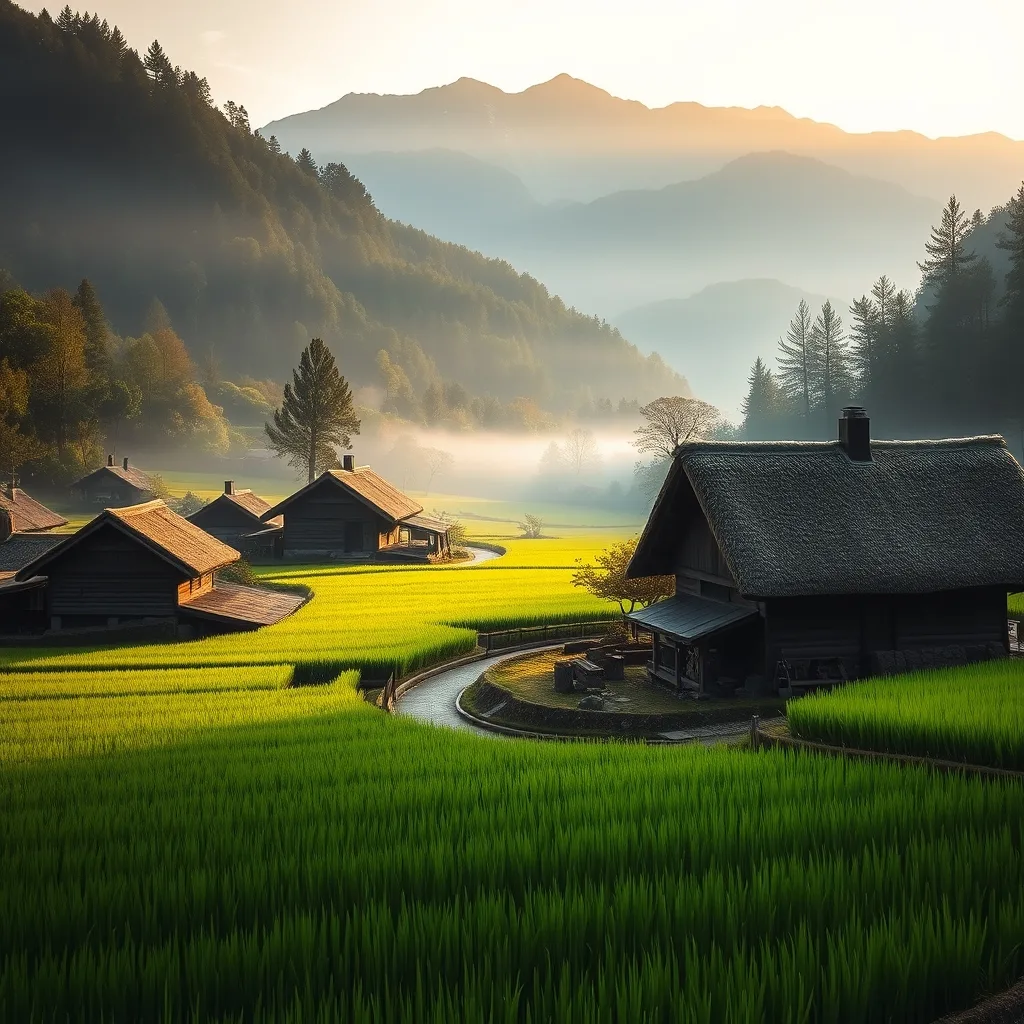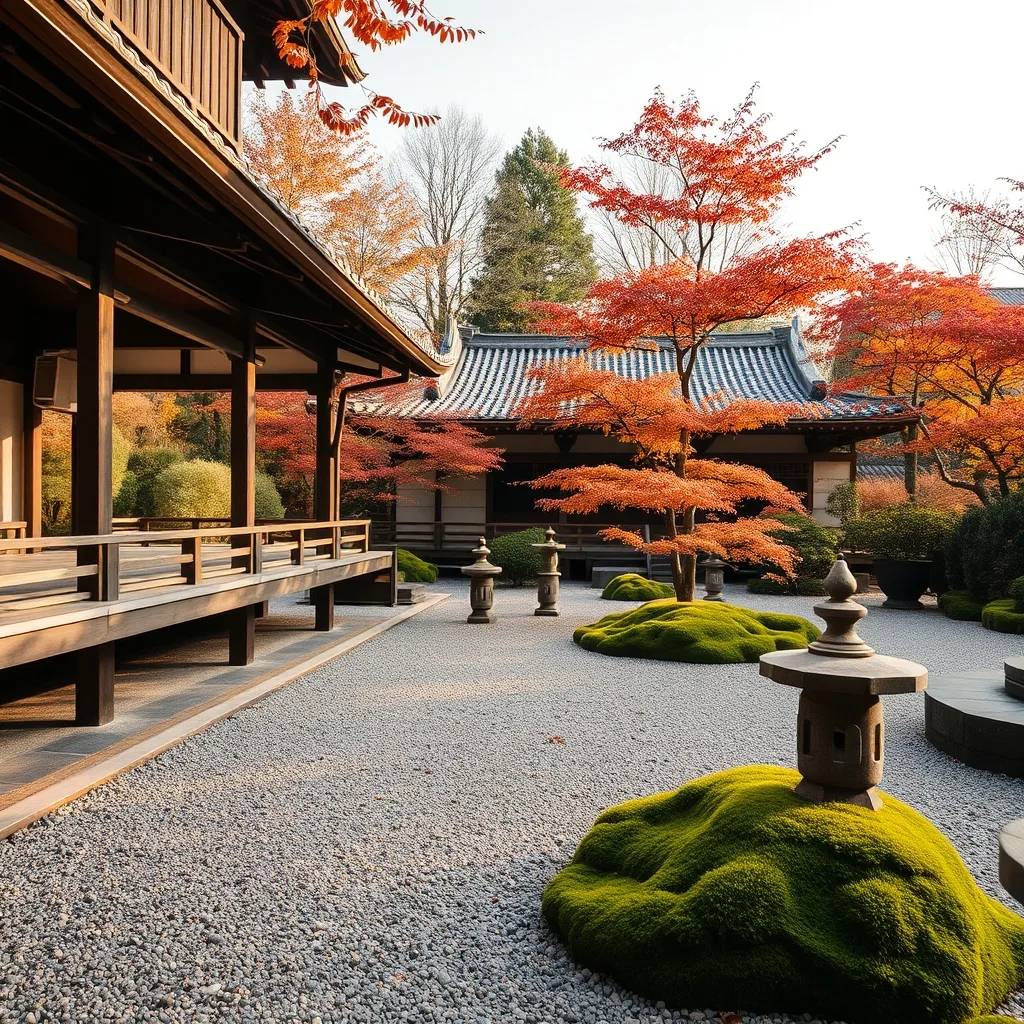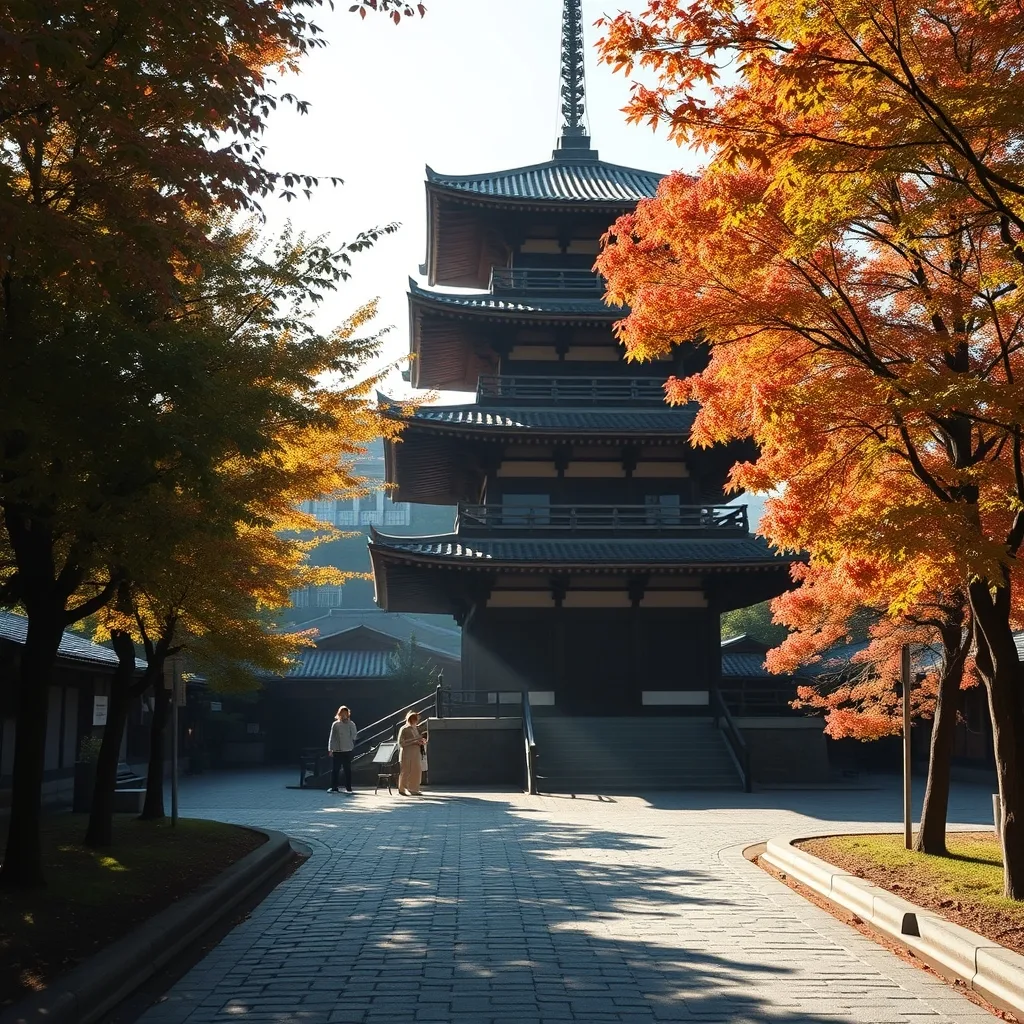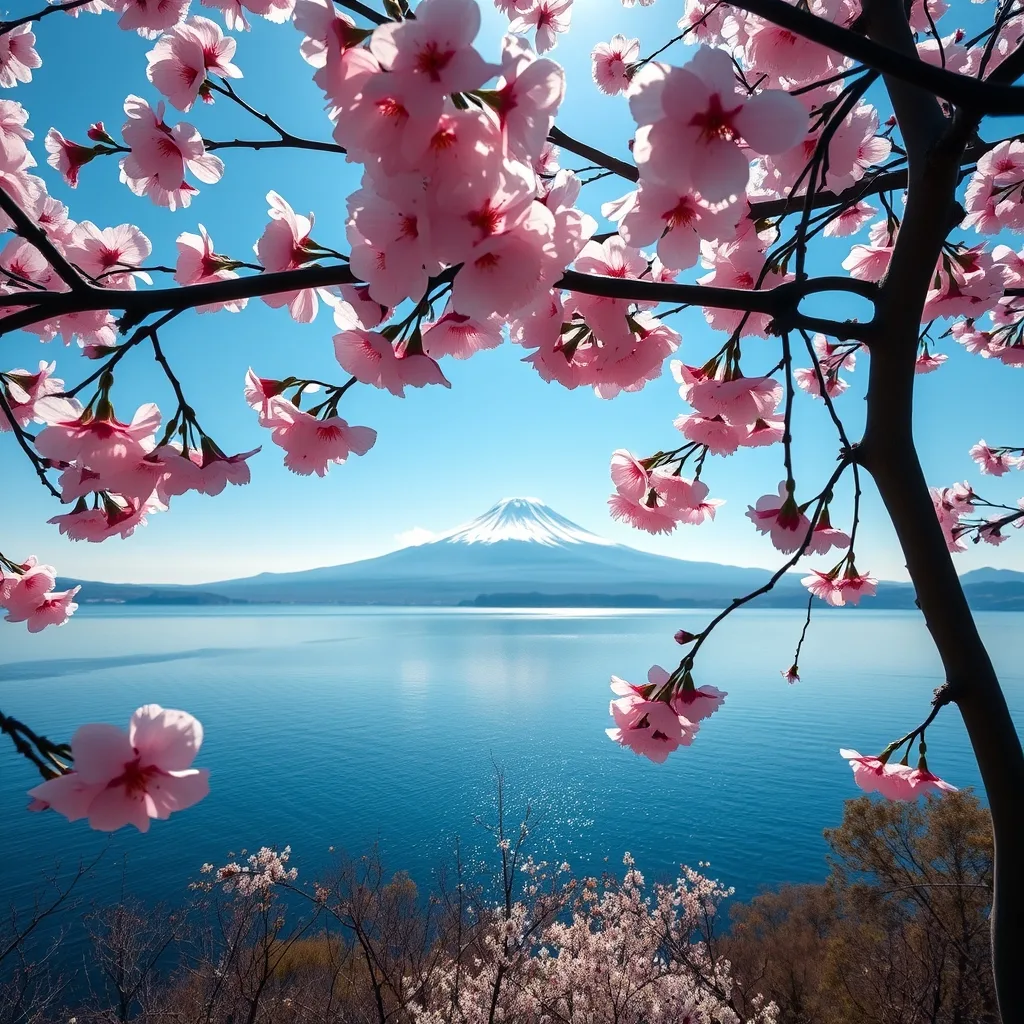
For Tokyo and Kyoto, plan your travel between 25 March and 7 April 2027 to catch peak cherry blossom bloom (mankai)—and lock your flights and central accommodation from India right now between September and November 2026, because hanami-week hotel rates double and flight inventory tightens rapidly four months out. Unlike autumn foliage, which unfolds gradually over six to eight weeks, Japanese cherry blossoms (sakura) reach full bloom and carpet the canals in petals within an ephemeral seven to ten-day window. For an Indian couple planning a romantic spring getaway or wedding anniversary, a 7-day classic Golden Route trip covering Tokyo, Mount Fuji, Kyoto, and Nara costs approximately ₹1,40,000–₹1,75,000 per person (about ₹2,80,000–₹3,50,000 per couple), including return flights, comfortable business hotels, bullet trains, and daily dining—provided you secure your bookings before year-end price spikes.
(All ₹ costs in this guide are approximate estimates based on current late-2026 exchange rates of ¥100 ≈ ₹56–58, assuming advance booking. Flight fares and hotel rates fluctuate with seasonality, airline inventory, and foreign exchange rates.)
The real planning challenge for Indian passport holders is navigating the dual constraints of the booking window and the visa calendar: hotel inventory within walking distance of central transit hubs vanishes months ahead, while the Embassy of Japan and VFS Global accept visa applications only up to 90 days before your departure. This guide delivers the expected 2027 regional bloom dates based on historical meteorological averages, a month-by-month reverse booking timeline, a realistic ₹ budget breakdown, an open-jaw routing strategy, and practical tips for couple dining and hanami picnics.
Japan Cherry Blossom 2027 Expected Dates by Region
Because sakura blossoms respond sensitively to late-winter temperatures, bloom timing advances gradually from south to north and from coastal plains up into alpine elevations. Official forecasts from the Japan Meteorological Corporation (JMC) and Weathernews Japan are published in January 2027, followed by weekly rolling adjustments from mid-February onward.
Note on 2027 Forecasts: Any website claiming a finalized 2027 forecast before January 2027 is estimating. The dates below reflect multi-decade historical averages across Japan's meteorological observation stations. We will update this section the day JMC issues its official 2027 first forecast in January 2027.
When planning your itinerary, distinguish between two critical stages:
First Bloom (Kaika): The opening of the first 5 to 6 blossoms on designated sample trees. Trees appear lightly dotted with pale pink.
Full Bloom (Mankai): When 80% or more of the buds have opened, creating the dense, cloud-like floral canopy. Mankai typically arrives 5 to 8 days after kaika and lasts roughly one week before petals begin drifting (sakura fubuki).
Region & City | Historical Kaika (First Bloom) | Expected Mankai (Peak Bloom) | Iconic Couple Viewing Spots |
|---|---|---|---|
Fukuoka & Kyushu | 20 Mar – 24 Mar | 28 Mar – 02 Apr | Maizuru Park, Nishi Park, Uminonakamichi |
Tokyo Metropolitan | 22 Mar – 26 Mar | 29 Mar – 05 Apr | Chidorigafuchi Moat, Meguro River, Shinjuku Gyoen |
Kyoto & Osaka (Kansai) | 24 Mar – 28 Mar | 31 Mar – 07 Apr | Philosopher's Path, Maruyama Park, Gion Shirakawa |
Fuji Five Lakes (Kawaguchiko) | 04 Apr – 08 Apr | 11 Apr – 18 Apr | Lake Kawaguchiko North Shore, Chureito Pagoda |
Tohoku (Sendai & Hirosaki) | 10 Apr – 18 Apr | 16 Apr – 25 Apr | Hirosaki Castle Park, Tsutsujigaoka Park |
Hokkaido (Hakodate & Sapporo) | 25 Apr – 29 Apr | 01 May – 07 May | Goryokaku Star Fort, Maruyama Park Sapporo |
Tip: If your trip spans late March through early April, begin your journey in Tokyo (where blossoms open 2 to 3 days earlier) and transition south-west to Kyoto and Osaka around 31 March to 2 April. This sequence follows the natural wave of mankai across Honshu and maximizes your days under full canopies. For a comprehensive comparison of Japan across every season, see our guide on the best time to visit Japan from India.
The Reverse Booking Timeline for Indian Couples
Indian travellers cannot afford to wait until February or March to plan a cherry blossom trip. While visa-exempt Western tourists can book last-minute flights, Indian passport holders must present confirmed airline tickets, daily hotel bookings, and a detailed Schedule of Stay (滞在予定表) to VFS Global.
Waiting for your visa before reserving rooms guarantees either paying ₹30,000+ per night for suburban rooms or spending hours commuting each day. The solution is booking refundable flights and hotels well ahead of your visa submission:
Milestone Action | Recommended Booking Window | Why This Deadline Matters | Estimated ₹ Cost per Couple |
|---|---|---|---|
Central Hotels (Tokyo & Kyoto) | September – November 2026 (Now) | Central rooms near major stations sell out 4–5 months out; prices double after Dec | ₹90,000–₹1,40,000 (7 nights) |
International Flights (DEL/BOM) | October – December 2026 | Direct and 1-stop fares jump from ₹48,000 to ₹75,000+ per seat as spring seats fill | ₹96,000–₹1,25,000 (2 return tickets) |
VFS Japan Visa Submission | Early to Mid-January 2027 | Allows buffer after New Year holiday closures; single-entry visa is valid for 90 days | ₹2,700 (₹500 fee + VFS charge × 2) |
Shinkansen & Attraction Slots | February 2027 | Smart EX bullet train seats open 30 days prior; Shibuya Sky & teamLab open 30 days out | ₹17,000 (Nozomi seats) + ₹6,000 (attractions) |
Connectivity & Forex Setup | Early March 2027 | Set up Apple Wallet Suica, activate eSIM, and monitor late bloom forecast updates | ₹2,500 (eSIMs) + ₹8,000 (IC transport load) |
September–November 2026: Lock Hotels with Free Cancellation
Secure central lodging in Tokyo (Shinjuku, Shibuya, or Ueno) and Kyoto (Shimogyo Ward near Kyoto Station or Karasuma) right now. Choose flexible booking rates with free cancellation until mid-February 2027. Reliable Japanese business chains like Toyoko Inn, Sotetsu Fresa Inn, and Daiwa Roynet offer spotless double rooms, coin laundries, and private bathrooms at manageable rates (≈ ¥14,000–¥22,000 per night during sakura season) before dynamic pricing takes over.
October–December 2026: Book Multi-City (Open-Jaw) Flights
Avoid booking a standard round-trip ticket into and out of Tokyo (Delhi–Tokyo–Delhi). Backtracking from Kyoto to Tokyo on your departure day wastes 2.5 hours on the train and burns roughly ¥14,600 (about ₹8,400) per person in redundant train fares.
Instead, book an open-jaw ticket: fly into Tokyo (Haneda or Narita) and fly home directly out of Osaka (Kansai International Airport - KIX). Full-service carriers like Singapore Airlines, Thai Airways, Cathay Pacific, and Malaysia Airlines offer multi-city fares from New Delhi, Mumbai, and Bengaluru at virtually the same cost as standard round-trip tickets. For detailed route analysis, read our breakdown of Delhi to Tokyo flight prices and seasonality.
January 2027: Prepare Your VFS Japan Visa Dossier
A single-entry Japan tourist visa is valid for 90 days from the date of issue and permits a stay of up to 15 or 30 days. For travel starting 25–28 March 2027, the earliest you should submit your application at VFS Global is early January 2027 (around 5 to 10 January).
Submitting in early January provides a comfortable three-week buffer against document requests or administrative delays. Ensure your dossier includes confirmed flight itineraries, hotel vouchers covering every night, six months of bank statements, your latest ITR-V, and an accurately filled Schedule of Stay. Use our complete Japan visa documents checklist for Indians and downloadable Japan visa itinerary sample to prepare your submission without hiring an expensive visa agent.
February 2027: Shinkansen Seats & Timed Attraction Tickets
Thirty days before your travel date, reserve your Tokyo-to-Kyoto bullet train seats on the official Smart EX app or website. Booking early guarantees seats on the right side of the Nozomi Shinkansen (Rows D and E in ordinary cars) for clear views of snow-capped Mount Fuji as you speed past Shizuoka. Refer to our guide on how to book Shinkansen tickets from India for step-by-step guidance on international credit cards and oversized baggage rules.
Simultaneously, book your timed-entry slots for popular Tokyo experiences:
Shibuya Sky: Sunset slots release exactly 4 weeks ahead at midnight JST and sell out within minutes.
teamLab Planets: Tickets open roughly 30 days ahead for morning slots.
Tokyo DisneySea: Park tickets release two months in advance on the official app.
Realistic ₹ Budget for a 7-Day Sakura Trip from India
Peak cherry blossom season is Japan's most expensive travel window after New Year. Below is a realistic cost comparison between travelling during the peak sakura window (late March to early April) versus a shoulder month like May or October for two adults:
Expense Category | Hanami Peak Season (Late Mar – Early Apr) | Shoulder Season (May / October) | Strategic Cost-Saving Advice |
|---|---|---|---|
Return Flights (2 Adults) | ₹96,000 – ₹1,25,000 | ₹80,000 – ₹95,000 | Book by November; choose 1-stop routes via Bangkok, Kuala Lumpur, or Hanoi |
7 Nights Accommodation | ₹90,000 – ₹1,40,000 | ₹55,000 – ₹80,000 | Book business hotel chains early; consider staying near Shin-Osaka for cheaper Kyoto access |
Shinkansen (Tokyo → Kyoto) | ₹16,800 – ₹17,000 | ₹16,800 – ₹17,000 | Standard distance fare; reserve Smart EX Nozomi reserved seats 30 days ahead |
Local Transit (Metro, Bus, IC) | ₹10,000 – ₹14,000 | ₹10,000 – ₹14,000 | Load digital Suica on Apple Wallet; avoid taxis entirely in Tokyo and Kyoto |
Food & Dining (Couple) | ₹42,000 – ₹56,000 | ₹38,000 – ₹50,000 | Enjoy konbini hanami bento lunches; save sit-down meals for dinner |
Sightseeing & Temple Entry | ₹12,000 – ₹18,000 | ₹12,000 – ₹18,000 | Public park hanami is 100% free; temple garden entry ranges from ¥400 to ¥1,000 |
VFS Visa Fees (2 Adults) | ₹2,700 | ₹2,700 | Fixed official embassy visa fee (₹500) + VFS service charges |
Total Estimated Trip Cost | ₹2,69,500 – ₹3,72,700 | ₹2,14,500 – ₹2,76,700 | Hanami premium is ≈ 25%–35%, driven almost entirely by hotel tariffs |
(Individual spending varies based on dining preferences, hotel star tier, and shopping. For deeper insights into daily expenses, read our detailed Japan trip cost from India breakdown.)
Curated 7-Day Cherry Blossom Route for Couples
We have mapped this exact couple-focused spring route into an interactive, day-by-day 7-day Japan cherry blossom couples itinerary. You can save the complete trip to your mobile device, view geocoded station transfers, or export the entire day-by-day itinerary to an A4 PDF for your visa application.
Day 1: Arrive Tokyo (HND/NRT) → Chidorigafuchi Moat illuminated cherry blossoms & Tokyo Tower
Day 2: Morning picnic at Shinjuku Gyoen → Afternoon Shibuya Crossing → Evening Meguro River illuminated sakura walk
Day 3: Ueno Park festive hanami stroll → Asakusa Senso-ji & Sumida Park riverside cherry trees
Day 4: Shinkansen Nozomi bullet train to Kyoto → Afternoon stroll along Philosopher's Path & Nanzen-ji
Day 5: Iconic weeping cherry tree at Maruyama Park → Historic Yasaka Shrine → Evening Gion Shirakawa lantern walk
Day 6: Early morning Arashiyama Bamboo Grove & Tenryu-ji cherry garden → Togetsukyo Bridge riverside sakura
Day 7: Morning day trip to Nara Park (bowing sacred deer beneath pink blossoms & Todai-ji) → Depart via Osaka (KIX)
Day 1: Arrival in Tokyo & Evening Sakura Illuminations
Touch down at Haneda or Narita Airport. Take the Tokyo Monorail or Keisei Skyliner into central Tokyo and check into your hotel. In the late afternoon, head to Chidorigafuchi Moat northwest of the Imperial Palace. Renting a rowboat to drift beneath weeping sakura branches overhanging the emerald water is Tokyo's most iconic romantic experience. As night falls, the moat is illuminated with floodlights, casting glowing pink reflections across the water.
Day 2: Central Tokyo Gardens & Meguro River Pink Lanterns
Start early at Shinjuku Gyoen National Garden (admission ¥500; alcohol prohibited, ensuring a peaceful garden atmosphere). Shinjuku Gyoen features over 1,000 cherry trees spanning dozens of varieties, guaranteeing blossoms even if early-season timing fluctuates.
In the late afternoon, travel to Naka-Meguro. The Meguro River Cherry Blossom Promenade features roughly 800 cherry trees arching over the canal, illuminated by pale pink paper lanterns. Stroll along the pedestrian banks with sweet strawberry snacks and sakura cider in hand.
Day 3: Traditional Hanami in Ueno & Historic Asakusa
Visit Ueno Park to experience traditional Japanese hanami culture. Over 1,000 cherry trees line the main avenue, where local families and colleagues lay blue tarps for festive picnics. Walk through the bustling street market of Ameyoko before heading to Asakusa. After visiting Senso-ji Temple, stroll through Sumida Park, where sakura trees line the riverbank with panoramic views of the Tokyo Skytree across the water.
Day 4: Shinkansen to Kyoto & Canal Stone Paths
Board an early morning Tokaido Shinkansen Nozomi bullet train from Tokyo to Kyoto Station (2 hours 15 minutes). Check into your Kyoto accommodation and take the Tozai Subway Line to Higashiyama. Walk the stone-paved Philosopher's Path (Tetsugaku-no-Michi), a two-kilometre trail following a babbling canal lined with hundreds of blooming cherry trees. End your afternoon at the majestic brick aqueduct and Zen rock gardens of Nanzen-ji Temple.
Day 5: The Weeping Cherry of Maruyama & Romantic Gion
Spend your morning exploring the wooden merchant houses and stone alleyways of Ninenzaka and Sannenzaka leading up to Kiyomizu-dera. In the afternoon, head into Maruyama Park, Kyoto's premier public hanami park, centered around the famous Gion Shidare-zakura—a monumental 80-year-old weeping cherry tree that is dramatically illuminated after dusk. End your evening wandering through Gion Shirakawa, where traditional wooden tea houses (ochaya) and willow trees line a stone-banked canal illuminated by paper lanterns.
Day 6: Arashiyama Bamboo & River Sakura
Arrive at Arashiyama by 08:30 AM before tour groups arrive. Walk through the towering Bamboo Grove before exploring the UNESCO World Heritage gardens of Tenryu-ji Temple, where weeping cherries frame scenic ponds and dry-landscape rocks. Cross the wooden Togetsukyo Bridge to view wild mountain cherry blossoms dusting the Arashiyama hillsides across the Oi River. For more couple ideas across the ancient capital, consult our 3-day Kyoto itinerary for Indian couples.
Day 7: Nara Deer Park under Sakura & Osaka Departure
Check out of your hotel and take the JR Nara Line from Kyoto Station to Nara (45 minutes; store your luggage in station coin lockers). Walk into Nara Park, where over 1,000 wild, bowing Shika deer graze peacefully beneath groves of blossoming cherry trees. Visit the Great Buddha at Todai-ji before boarding the JR Kansai Airport Rapid or Haruka Limited Express directly to Kansai International Airport (KIX) for your flight home to India. For complete couples planning, check out our 7-day Japan honeymoon itinerary.
Beware the Golden Week Mistake: Late April is NOT Cheap Sakura
A recurring error among Indian travellers is pushing a cherry blossom trip back to late April in hopes of finding cheaper airfares while still catching blooms.
This plan fails on both counts:
The Blossoms are Gone: In Tokyo, Kyoto, Osaka, and Nara, cherry blossom petals fall by roughly 8 to 12 April. By late April, the trees are covered in bright green summer foliage (hazakura). Only high-latitude Hokkaido (Sapporo/Hakodate) and mountain areas of Tohoku see late April blossoms.
Golden Week Surge Pricing: Japan's Golden Week runs from 29 April to 5 May 2027 (incorporating Showa Day, Constitution Memorial Day, Greenery Day, and Children's Day). During this week, millions of Japanese citizens take holidays simultaneously. Shinkansen bullet trains operate on mandatory reserved-seating schedules, domestic airports overflow, and hotel prices reach annual peaks.
If your heart is set on witnessing Tokyo and Kyoto cherry blossoms, keep your travel dates strictly between 25 March and 7 April 2027.
Romantic Hanami Dining & Vegetarian Survival for Indian Couples
Hanami is fundamentally an outdoor culinary tradition: sitting together under blooming branches, sharing fresh delicacies, and enjoying spring weather.
For Indian couples—especially those who are vegetarian or prefer familiar flavours—navigating Japanese spring dining is straightforward with a few key strategies:
Convenience Store Hanami Snacks
Japanese convenience stores (7-Eleven, Lawson, and FamilyMart) are reliable resources for quick, affordable picnic treats:
Onigiri (Rice Balls): Look for Umeboshi (pickled sour plum) or Kombu (simmered kelp). Both are 100% vegetarian.
Salted Edamame: Steamed, salted soybeans available in heated cases or chilled snack sections.
Strawberry Daifuku (Ichigo Daifuku): A spring seasonal delicacy consisting of a whole fresh strawberry and sweet red bean paste (anko) wrapped in chewy white mochi rice cake.
Vegetable Tempura Bento: Available in department store basement food halls (depachika), containing fried sweet potato, lotus root, and pumpkin over seasoned rice.
Romantic Kyoto Vegetarian Specialities
Kyoto is world-renowned for its delicate vegetarian cuisine developed over centuries in Zen Buddhist monasteries:
Yudofu (Simmering Tofu Hotpot): Fresh silken tofu simmered in seasoned kelp broth, served with dipping sauces and grated ginger in historic garden settings like Junsei or Tosuiro near Nanzen-ji.
Shojin Ryori (Buddhist Temple Cuisine): Multi-course Zen dining prepared completely without meat, fish, garlic, or onions. Shigetsu, situated inside Tenryu-ji in Arashiyama, offers authentic set lunches served on traditional red lacquer trays overlooking UNESCO gardens.
Indian Restaurants: Both Tokyo and Kyoto feature excellent North and South Indian dining for evenings when you crave warm curries and naan. Nataraj in Ginza and Shibuya offers 100% vegetarian and vegan Indian menus, while Ganesha Ghar and Ashoka in Kyoto serve dependable vegetarian options. For a wider directory, refer to our vegetarian food in Japan survival guide and vegetarian food in Tokyo guide.
Practical Connectivity & IC Cards
Public transit in Tokyo and Kyoto is fast, safe, and punctual, making taxis unnecessary. To travel effortlessly between blossom spots:
Digital Transit Cards (Suica / Pasmo): If you use an iPhone, add a digital Suica card directly via Apple Wallet (Settings → Wallet & Apple Pay → Add Card → Transit Cards → Suica) and load funds using a linked Mastercard or AMEX. Tap your phone at station ticket gates in both Tokyo and Kyoto. Android users can purchase a physical Welcome Suica or Pasmo Passport at airport service centres.
Japan eSIM: Install a digital travel eSIM (such as Airalo, Ubigi, or Sakura Mobile) before departing India. A reliable 10GB–20GB data package costs between ₹1,200 and ₹2,200 and ensures instant access to Google Maps for navigating train transfers and bus schedules. For comprehensive comparisons, read our guide to Japan travel apps and IC cards.
Frequently Asked Questions
When is cherry blossom season in Japan 2027?
In Tokyo, Kyoto, and Osaka, cherry blossom season typically runs from late March through the first week of April. First blooms (kaika) historically appear around 22–26 March, with full bloom (mankai) peaking between 29 March and 6 April. Northern regions like Tohoku bloom in mid-to-late April, while Hokkaido blooms in early May.
When is the official 2027 cherry blossom forecast released?
The Japan Meteorological Corporation (JMC) and Weathernews Japan release their first official cherry blossom forecasts in January 2027. Rolling weekly updates begin in mid-February as spring temperatures stabilize.
How far in advance should Indian travellers book for cherry blossom season?
Reserve your refundable accommodation in Tokyo and Kyoto between September and November 2026 (4 to 6 months in advance). Book flights between October and December 2026, and submit your Japan visa application at VFS Global in early January 2027.
Is Japan significantly more expensive during cherry blossom season?
Yes. Hotel tariffs in central Tokyo and Kyoto increase by 50% to 100% during hanami week, and flights from Indian metros rise by 25% to 40% if booked late. Expect to budget approximately ₹1,40,000–₹1,75,000 per person for a 7-day trip, compared to ₹1,10,000–₹1,35,000 during shoulder months.
Will I see cherry blossoms if I visit Japan in mid-April?
In Tokyo and Kyoto, cherry blossoms are usually gone by mid-April. However, you can still witness spectacular late-blooming varieties around Lake Kawaguchiko (Fuji Five Lakes), the alpine valley of Kamikochi, and the Tohoku region (Sendai, Fukushima, and Hirosaki Castle).
Is Golden Week a good time for a cherry blossom trip?
No. Golden Week (29 April to 5 May 2027) is Japan's busiest national holiday period. Central Honshu has no cherry blossoms in late April, while trains, hotels, and tourist attractions experience extreme domestic overcrowding and peak holiday pricing.
Ready to experience Japan's blooming sakura with your partner? Use our intelligent itinerary generator to build your custom Japan cherry blossom itinerary in minutes, complete with daily temple routes, transit links, and downloadable visa schedules.