Yes, Jigokudani Snow Monkey Park is an achievable and thrilling winter day trip from Tokyo: board the early Hokuriku Shinkansen Kagayaki to Nagano (1 hour 20 minutes), connect to the Nagaden Express Bus with the ¥6,800 winter bus pass, and you will reach the steaming hot-spring ravine before midday. For an Indian family travelling with children aged six and older, the entire day trip costs roughly ₹13,500–15,500 per adult (bullet train fares both ways plus the pass covering express buses and park admission), leaving ample time in the afternoon to explore 1,400-year-old Zenko-ji Temple and enjoy hot vegetarian snacks before returning to Tokyo in time for dinner.
(All ₹ figures in this guide are approximate estimates converted at ¥100 ≈ ₹56–58 in September 2026. Actual train fares and hotel costs vary with your travel window, booking lead time, and exchange rates.)
Seeing wild Japanese macaques soaking chest-deep in steaming thermal pools while snow dusts their fur is one of the most iconic winter experiences in Japan. But because Jigokudani sits high in the snowy mountains of Yamanouchi in Nagano Prefecture—roughly 250 kilometres northwest of Tokyo—pulling it off in a single day requires knowing which train to reserve, which pass is actually on sale in winter, and how to navigate the snowy trail with children.
The Three Ways In from Nagano Station: Pass Maths & Options
Once your Shinkansen pulls into Nagano Station, you must travel another 35 kilometres northeast into the foothills of Joshin'etsu-kogen National Park. There are three primary routes to reach the trailhead:
Route Option | Adult Cost (¥ / ₹) | Includes Park Entry? | Best For |
|---|---|---|---|
(a) Express Bus + Snow Monkey Pass for Bus | ¥6,800 (≈ ₹3,850), Child ¥3,400 | Yes (¥800 entry included) | Families with kids (direct from Nagano East Exit; no train change) |
(b) Nagaden Local Train + Local Bus | ≈ ¥3,360 round-trip fares + ¥800 entry | No (tickets bought separately) | Train buffs who want to stop in historic Yudanaka or Shibu Onsen |
(c) Packaged Tokyo Day Tour | ≈ ¥15,000–22,000 per person | Yes (coach & entry included) | Families avoiding public transit (⚠️ set lunch is almost always beef sukiyaki) |
Why Families Should Choose Option (a)
For families travelling with school-age kids, Option (a) is the runaway winner. Per Nagaden Bus's official ticketing guidelines, the winter Snow Monkey Pass for Bus (6,800円 adult / 3,400円 child aged 6–11; children under 6 ride free on a lap) covers:
Round-trip travel on the direct Nagaden Express Bus between Nagano Station East Exit and the Snow Monkey Park bus stop (normally ¥3,000 each way).
General admission to Jigokudani Yaen-koen (normally ¥800 for adults, ¥400 for children).
You purchase the pass on arrival at the "aruyo" ticket counter located right by Nagano Station's East Exit bus boarding bays. The pass saves money over point-to-point fares, but more importantly, it eliminates the need to change from a local train to a rural feeder bus at Yudanaka Station in sub-zero weather.
Why Packaged Day Tours Pose a Problem for Indian Families
A quick search on major booking portals reveals dozens of Tokyo-to-Nagano day coach tours priced between ₹15,000 and ₹22,000 per person. While convenient on paper, nearly every commercial bus tour includes a fixed group lunch—traditionally a "Beef Sukiyaki Hot Pot" or seafood set menu.
Because tour operators pre-book these mass banquet meals with local restaurants, catering to pure vegetarian or Jain dietary requirements is rarely accommodated. Going DIY via the bullet train and express bus is not only faster (shaving nearly 3 hours off highway coach traffic), but it also gives you complete autonomy over where and what your family eats.
What to Buy—and What NOT to Buy
Travel forums and outdated blog posts from 2023–2024 are filled with obsolete transit advice for Nagano. Here are the hard operational facts as of 2026:
1. Do NOT rely on the JR TOKYO Wide Pass
The JR TOKYO Wide Pass (¥16,000 for 3 days) is fantastic for our recommended Nikko family day trip or a Hakone loop, but it does not reach Nagano. On the Hokuriku Shinkansen line, pass validity terminates at Sakudaira Station. Riding it onward to Nagano incurs extra base fare and limited-express charges that wipe out your savings.
2. The JR EAST PASS (Nagano, Niigata) has been DISCONTINUED
JR East officially ended sales of the regional JR EAST PASS (Nagano, Niigata area) in March 2026. The replacement product—the NEW JR EAST PASS—costs ¥35,000 for 5 consecutive days. Unless you are planning extensive multi-day train travel across northern Honshu, it cannot be amortised on a single day excursion.
3. The Rail Snow Monkey Pass is NOT sold in winter
Nagaden operates two distinct versions of the Snow Monkey Pass:
The Rail version (¥4,800) covers local trains to Yudanaka plus local buses, but its sales window runs strictly 1 April to 30 September.
During the winter season (December through early April), Nagaden replaces it with the Snow Monkey Pass for Bus (¥6,800). Do not plan around the cheaper rail pass in December or January.
4. Book Kagayaki Shinkansen Seats via eki-net, NOT Smart EX
The Hokuriku Shinkansen from Tokyo to Nagano is operated jointly by JR East and JR West. Many Indian travellers who read our guide on how to book Shinkansen tickets from India assume all bullet trains use the Tokaido Smart EX app. Smart EX does not cover trains to Nagano.
Instead, use JR-EAST Train Reservation (eki-net) to book your seats. Bookings open exactly 30 days in advance at 10:00 AM JST.
The fastest service is the Kagayaki (approx. 1 hour 20 minutes), which is 100% all-reserved seating—you must hold an assigned seat ticket before boarding.
The alternative is the Hakutaka (approx. 1 hour 35 minutes), which carries unreserved cars, but during peak December school holidays, unreserved cars fill completely before departing Tokyo Station.
If you already hold an active nationwide 7-day or 14-day JR Pass (evaluated in our JR Pass breakdown for Indian travellers), your pass covers the Shinkansen ride between Tokyo and Nagano completely. You will simply reserve your Kagayaki seats for free at any JR ticket office or eki-net machine, and pay only for the local Nagaden bus and park entry.
The Timed Winter Plan: Hour-by-Hour
We have mapped this exact single-day route as a ready-made, interactive one-day Snow Monkey & Zenko-ji itinerary. You can save it to your phone, customise it, or sync it with your family's travel dates. If you are taking a longer winter vacation, this day forms the centerpiece of our curated 7-day Japan winter itinerary.
Here is the hour-by-hour schedule that puts you at the monkey pool during peak activity and returns you to Tokyo for dinner:
Morning: Tokyo to the Steaming Ravine
07:20 AM — Depart Tokyo Station (Hokuriku Shinkansen Kagayaki 503)
Catch the morning Kagayaki from Tokyo Station (also stops at Ueno at 07:26 AM). Watch the urban sprawl of Tokyo give way to snow-capped peaks as you speed through Gunma and cross the Japanese Alps.08:38 AM — Arrive at Nagano Station
Follow the bilingual overhead signs to the East Exit. Walk to the "aruyo" bus ticket window, present cash or credit card, and purchase the winter Snow Monkey Pass for Bus (¥6,800 adult / ¥3,400 child).08:45 AM or 09:10 AM — Board Nagaden Express Bus (Shiga Kogen Line)
Board the highway express coach from East Exit Bay 23 or 24. The bus is heated, has luggage compartments underneath, and delivers you to the Snow Monkey Park (Kanbayashi Onsen) stop in about 42 minutes.09:55 AM — Arrive at Kanbayashi Onsen & Prepare for the Trail
Use the heated public restrooms at the bus stop or the nearby tourist pavilion. If you didn't bring ice cleats, the gift shop rents snow boots and sells strap-on slip crampons (suberidome).
Midday: The Forest Walk & Macaque Hot Springs
10:15 AM — Walk the Yumichi Cedar Forest Trail
The 1.6-kilometre walk from the vehicle drop-off point to the park entrance winds through a towering cedar forest. In winter, this path is picturesque but packed with hard snow and patches of slick ice. At a steady family walking pace, it takes approximately 30 to 35 minutes.10:50 AM – 12:45 PM — Jigokudani Yaen-koen Hot Springs
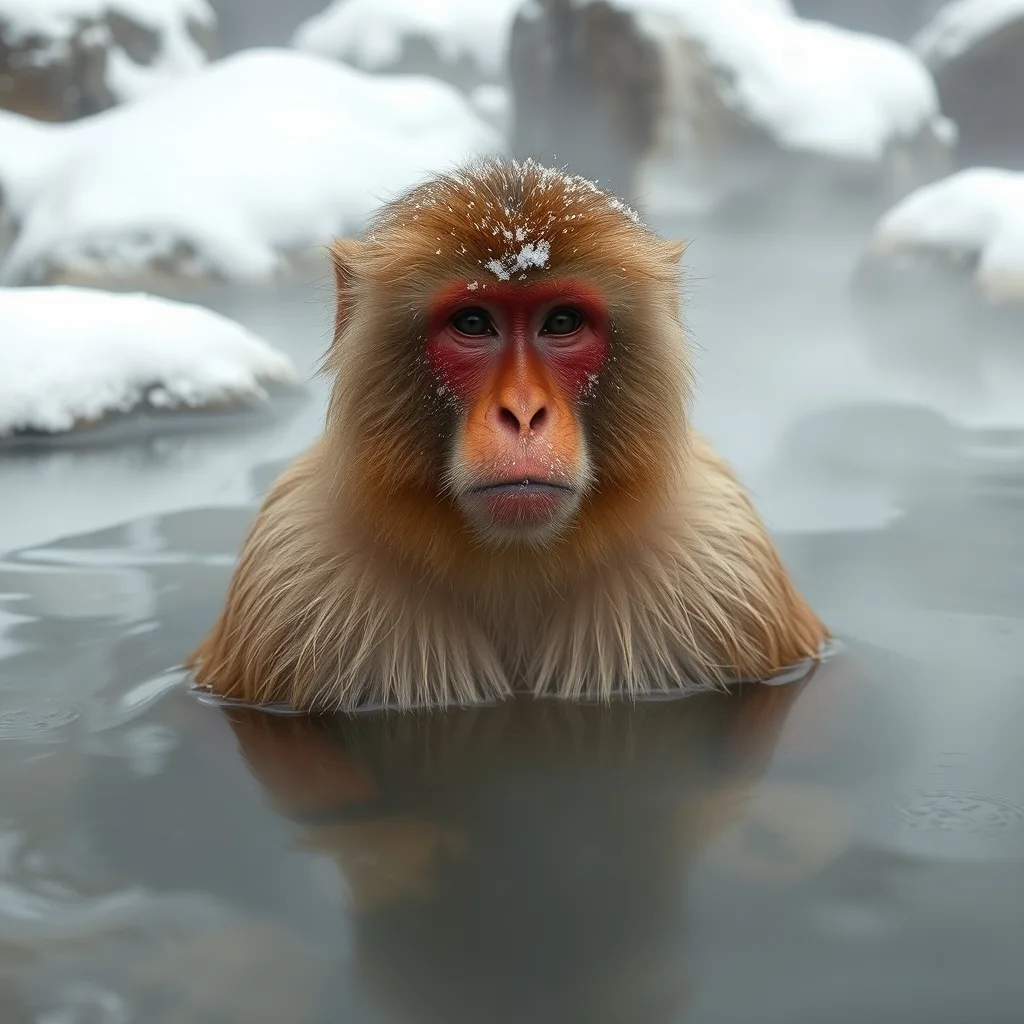
Show your bus pass at the entrance gate. Cross the wooden bridge over the steamy Yokobue River into the natural geothermal ravine.Wild macaques roam freely across the snow and gather around the designated man-made hot spring bath. You can watch infants tumbling in the powdery snow, older monkeys grooming each other on frozen boulders, and family troops soaking shoulder-to-shoulder in 40 °C thermal spring water.
Tip on Animal Behaviour: The park's official operating guide (jigokudani-yaenkoen.co.jp/guide/) explicitly notes: "1年中24時間、常に温泉に入っているわけではありません" ("Monkeys do not stay inside the hot springs 24 hours a day, 365 days a year"). Macaque bathing is strictly cold-driven. On freezing December and January mornings, dozens will pack the pool. On milder sunny afternoons, they may prefer foraging for seeds along the riverbanks. Managing your children's expectations ahead of time ensures a wonderful visit regardless of how many monkeys choose to take a bath.
Afternoon: Return to Nagano & Sacred Zenko-ji Temple
01:00 PM — Walk back along the forest trail to the bus stop.
01:40 PM — Board Nagaden Express Bus back to Nagano Station (Arrive approx. 02:25 PM).
02:35 PM — Local City Bus to Zenko-ji Temple (Daimon-cho)
From Nagano Station Zenkoji Exit Bay 1, catch any city bus heading towards Zenko-ji (approx. 10 minutes, ¥190).02:50 PM – 04:30 PM — Explore Zenko-ji Temple Complex
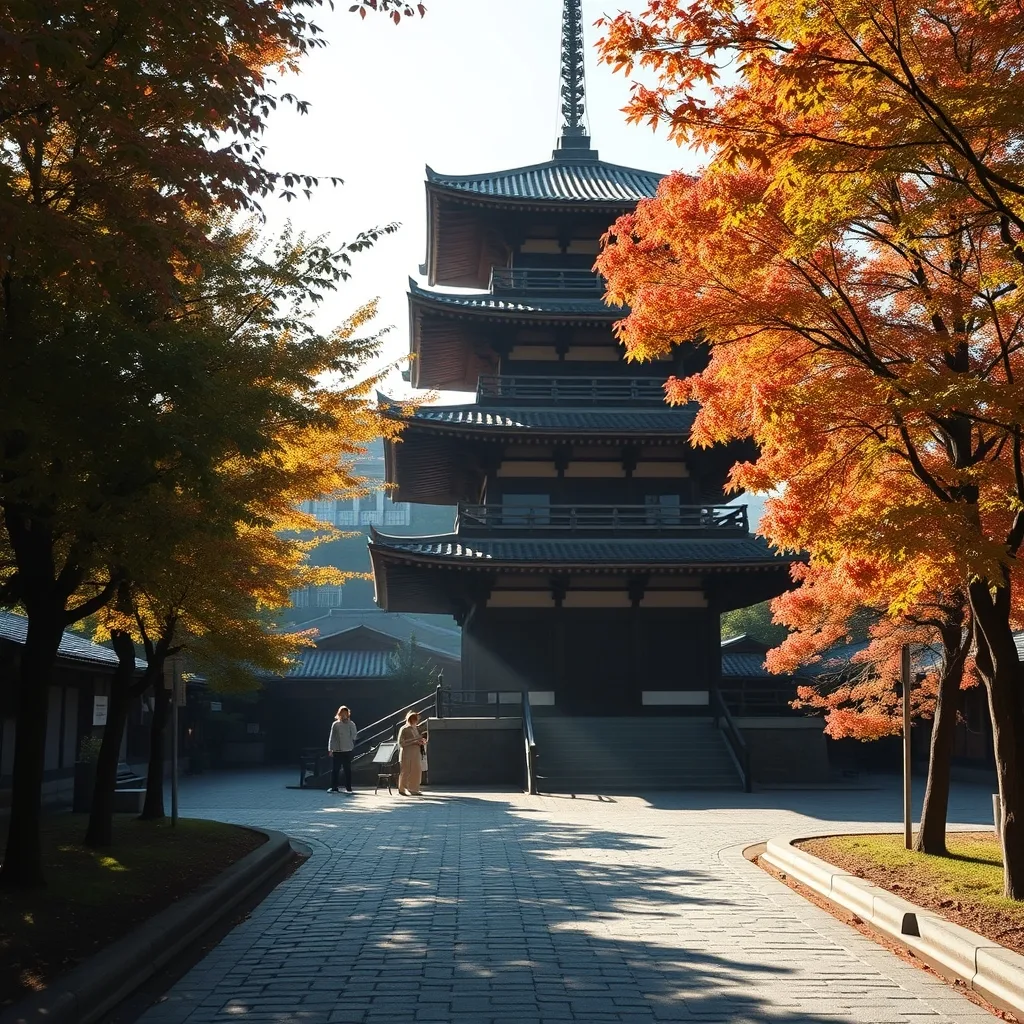
Founded in the 7th century, Zenko-ji is one of Japan's most revered Buddhist temples. The central Hondo (Main Hall) is a registered National Treasure.Take the family through the famous Okaidan Meguri (Under-Hall Pitch-Black Corridor Walk) (¥800 adult / ¥300 student / preschool free). You descend into a completely dark underground corridor beneath the sacred altar, tracing the stone wall with your hand to touch the "Key to Paradise"—an unforgettable, sensory cultural ritual for older children.
04:30 PM — Stroll the Historic Daimon-cho Nakamise & Warm Up
Browse traditional timber storefronts selling Shinshu dried persimmons, craft sweets, and piping-hot local snacks.05:15 PM — Return to Nagano Station Concourse (MIDORI Food Hall)
Head into MIDORI, the modern shopping complex attached directly to Nagano Station. Pick up boxed local gifts, Shinshu apple pastries, and dinner snacks for the train.06:05 PM — Board Hokuriku Shinkansen Kagayaki back to Tokyo
Relax in heated comfort as the bullet train whisks your family back to Tokyo Station by 07:28 PM.
The Winter Trail: Footwear, Strollers & Winter Gear
The walk into Jigokudani is the single biggest operational bottleneck for families. Review these three safety requirements before packing:
Strollers and Carts are Prohibited
The official park caution page (jigokudani-yaenkoen.co.jp/caution/) states clearly: "車いす、カート等でのご利用はできません" (Wheelchairs, carts, and strollers cannot be used). The trail has narrow cliffside edges, uneven wooden steps, and deep packed snowdrifts.
If you are travelling with children under five, you must bring an ergonomic, chest-mounted baby carrier. Pushing even an all-terrain stroller along this trail is impossible and will be stopped by rangers at the entrance.
Footwear: Snow Boots and Trail Crampons
Sneakers, running shoes, and smooth-soled winter dress boots become dangerously slippery within five minutes on the frozen packed snow.
Equip every family member with waterproof winter boots with deep rubber treads.
Buy slip-on rubber trail spikes or strap-on crampons (suberidome). These cost around ¥1,200 to ¥1,800 at station convenience stores or the Kanbayashi trailhead gift shop and prevent dangerous slips on the downhill return.
What Age Is This Trip Best For?
Because the round-trip forest walk is roughly 3.2 kilometres in freezing temperatures (often −2 °C to −6 °C in January), this day trip is ideal for children aged six and above who can walk for an hour unassisted. For families with infants, carrying a toddler in a front pack while wearing crampons is manageable, but requires careful footing.
Where a Vegetarian Family Eats in Nagano
One of the biggest anxieties for Indian families visiting Japan is finding satisfying, wholesome vegetarian food outside major metropolises like Tokyo and Osaka. Packaged day tours will almost certainly serve sukiyaki, but DIY travel gives you access to Nagano's unique culinary heritage:
1. Traditional Buddhist Shojin-Ryori at Zenko-ji
As a major monastic pilgrimage site, Zenko-ji's historical lodging temples (shukubo) specialize in shōjin ryōri (authentic Buddhist vegetarian cuisine). These multi-course seasonal meals are crafted completely free of meat, fish, poultry, onions, or garlic. Several temple shukubo along the main temple approach serve walk-in or advance-reservation lunches. If you wish to sit for a formal shojin ryori lunch, reserve 2–3 days ahead through local booking platforms or your hotel concierge.
2. Steamed Hot Shinshu Oyaki (The Perfect Vegetarian Winter Fuel)
Nagano is famous across Japan for oyaki—hearty, rustic dumplings made from fermented buckwheat and wheat flour, pan-seared and steamed over hot griddles. They are served piping hot and feature authentic vegetarian fillings:
Nozawana: Nagano's prized salted local mustard greens.
Kabocha: Sweet, velvety Japanese pumpkin mash.
Nasu: Sweet miso-glazed Japanese eggplant.
Anko: Sweet mashed red adzuki beans.
You will find traditional oyaki shops steaming baskets of dumplings every twenty paces along the Zenko-ji Nakamise approach (about ¥220–260 each). They make a warm, filling, 100% vegetarian lunch that children love.
3. Soba Noodles (Beware the Fish Dashi Trap)
Nagano (historically Shinano province) produces the finest buckwheat soba noodles in Japan. While buckwheat noodles themselves are strictly vegetarian, traditional soba dipping broth (tsuyu) is brewed with dried skipjack tuna (katsuobushi).
If dining at a soba restaurant, request Zaru Soba and ask the kitchen to omit the fish soup: "Dashi nuki de, shoyu to daikon oroshi dake onegai shimasu" (Plain noodles with pure soy sauce and grated daikon radish). For more tips on navigating restaurant menus, bookmark our comprehensive vegetarian in Japan survival guide.
4. Station Bento & Konbini Backups
Inside Nagano Station's MIDORI food concourse, bakeries like St. Marc and Vie de France sell fresh vegetable pizzas, egg-salad sandwiches, and red bean pastries. 7-Eleven and Lawson at the station stock salted sea-salt rice balls (shio-musubi), edamame, and warm sweet potatoes (yaki-imo) that keep kids happy on the Shinkansen ride home.
Total Day Trip Cost Breakdown (for an Indian Family of Four)
Here is a realistic budget for two adults and two school-aged children (ages 6–11) travelling from Tokyo in winter 2026:
Expense Item | Cost in Japanese Yen (¥) | Approximate Cost in INR (₹) | Notes |
|---|---|---|---|
Hokuriku Shinkansen (Tokyo ↔ Nagano) | ≈ ¥30,000–32,000 | ≈ ₹17,000–18,200 | Kagayaki reserved seats round-trip (2 adult + 2 half-fare child) |
Snow Monkey Pass for Bus (Winter) | ¥20,400 | ≈ ₹11,600 | 2 adults (¥6,800 ea) + 2 children (¥3,400 ea); covers bus & park entry |
Zenko-ji Main Hall & Tunnel Walk | ¥2,200 | ≈ ₹1,250 | 2 adults (¥800 ea) + 2 students (¥300 ea) |
Hot Oyaki Lunch, Snacks & Soba | ≈ ¥5,000–6,500 | ≈ ₹2,850–3,700 | Hot oyaki, steamed buns, matcha sweets, and fruit drinks |
Local Nagano City Buses | ≈ ¥1,140 | ≈ ₹650 | Station ↔ Temple round trip |
Trail Ice Crampons (2 pairs adult) | ¥2,400 | ≈ ₹1,350 | Bought at trailhead gift shop; reusable |
Total Estimated Day Budget | ≈ ¥61,140–64,640 | ≈ ₹34,700–36,800 | Total for family of four (approx. ₹8,700–9,200 per head) |
If your family already holds a nationwide JR Pass, your Shinkansen fares are already paid for, dropping your out-of-pocket day cost down to approximately ₹17,500 for the entire family.
How This Day Fits into Your Visa Schedule of Stay
When applying for your tourist visa from India, VFS Global requires a dated, day-by-day table of activities. You can format this day trip on your official itinerary document as follows:
Date: [Insert Date, e.g. 24/12/2026]
Activity: Day trip to Nagano. Morning visit to Jigokudani Snow Monkey Park via express bus. Afternoon visit to Zenko-ji Temple. Return to Tokyo by Shinkansen.
Accommodation: [Name, phone number, and full address of your booked Tokyo hotel]
Listing Nagano as an easy, same-day excursion while retaining your continuous Tokyo hotel booking demonstrates a sensible, well-researched travel plan. You can download and copy approved templates from our Japan visa itinerary sample guide.
Frequently Asked Questions
Can Jigokudani Snow Monkey Park really be done in a single day from Tokyo?
Yes. Thanks to the 260 km/h Hokuriku Shinkansen, the one-way travel time from Tokyo Station to Nagano Station is just 80 minutes. Connecting onto the direct Nagaden Express Bus takes another 45 minutes. If you depart Tokyo at 07:20 AM, you will be observing the monkeys before 11:00 AM, leaving plenty of daylight for Zenko-ji Temple in the afternoon.
Are the monkeys guaranteed to be bathing in the hot spring?
No wild animal can be placed on a guaranteed timetable, but in freezing winter conditions (December through February), the likelihood of seeing monkeys soaking in the hot spring is extremely high. The park is an unfenced wildlife refuge; rangers feed the monkeys small amounts of barley and soybeans to encourage them into the ravine. On colder mornings with fresh snowfall, dozens of monkeys gather in the pool to warm up.
Can I take a baby stroller on the forest trail?
No. The park authority strictly bans strollers, wheelchairs, and wheeled luggage on the Yumichi promenade. The 1.6-kilometre path is narrow, unpaved, snowy, and includes flights of outdoor stone stairs. Parents must use a supportive front- or back-mounted infant carrier.
Is the park open on public holidays and New Year?
Yes. Jigokudani Yaen-koen is open 365 days a year with no scheduled holiday closures, even during New Year's week (shōgatsu). However, winter opening hours are shorter (09:00 AM to 04:00 PM). Always check their live webcam and news feed on morning of travel for unexpected severe weather closures. If visiting during peak winter break, read our 10-day Japan December and New Year itinerary to coordinate opening dates across your wider vacation.
What should we do if we want to stay overnight instead?
Staying overnight is an enchanting option. Book a traditional Japanese ryokan in nearby Shibu Onsen or Kanbayashi Onsen. Staying in Shibu Onsen grants you a wooden master key that unlocks nine historic outdoor communal hot spring baths scattered along the cobblestone village lanes. Taking an overnight stay allows you to reach the monkey park right as the gates open at 09:00 AM before any day-trippers arrive.
Build Your Japan Winter Itinerary
Whether you are slotting this snow monkey adventure into a broader 10-day family trip to Tokyo and Kansai or exploring our dedicated ready-to-use Snow Monkey & Zenko-ji day route, planning logistics in advance ensures your winter holiday runs smoothly.
Build your custom Japan travel itinerary on NextDestination.ai to calculate exact train connections, generate visa-compliant Schedules of Stay, and export your complete family vacation plan directly to a printable A4 PDF.