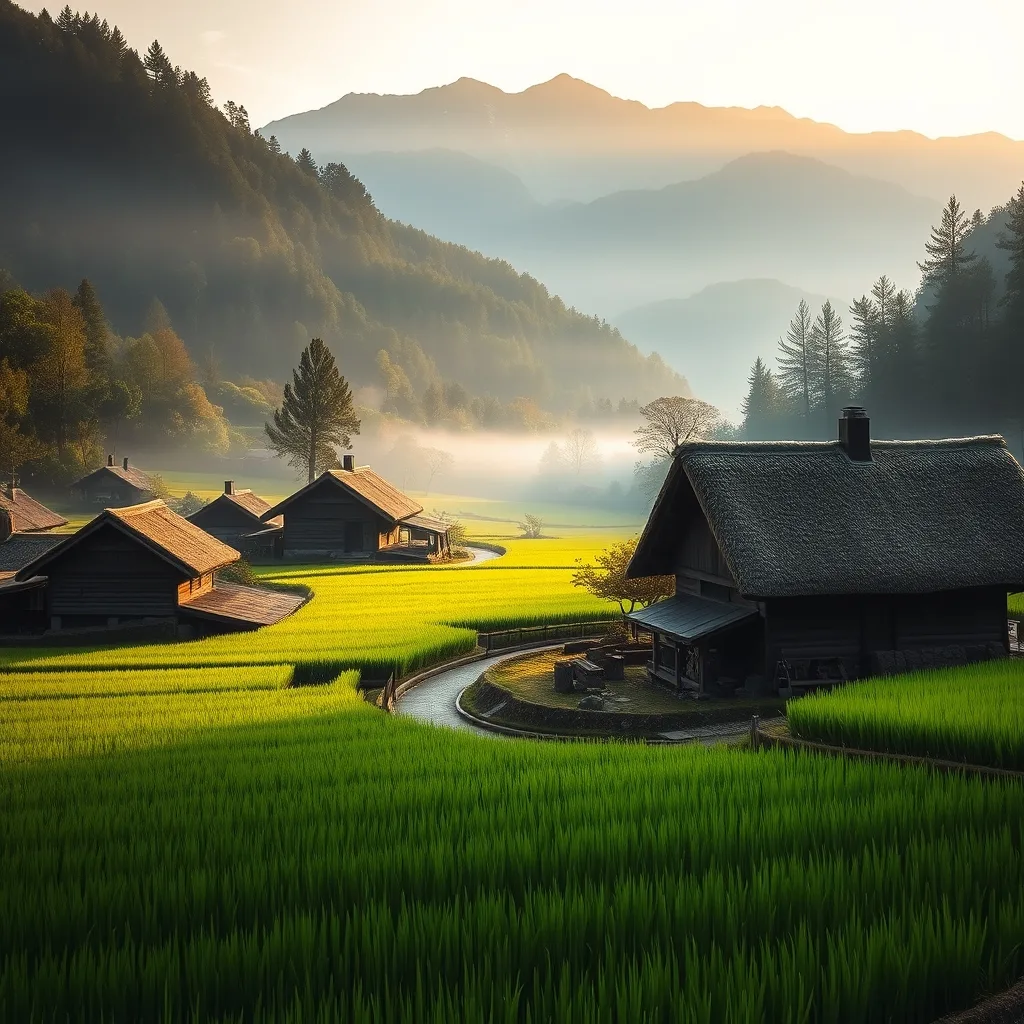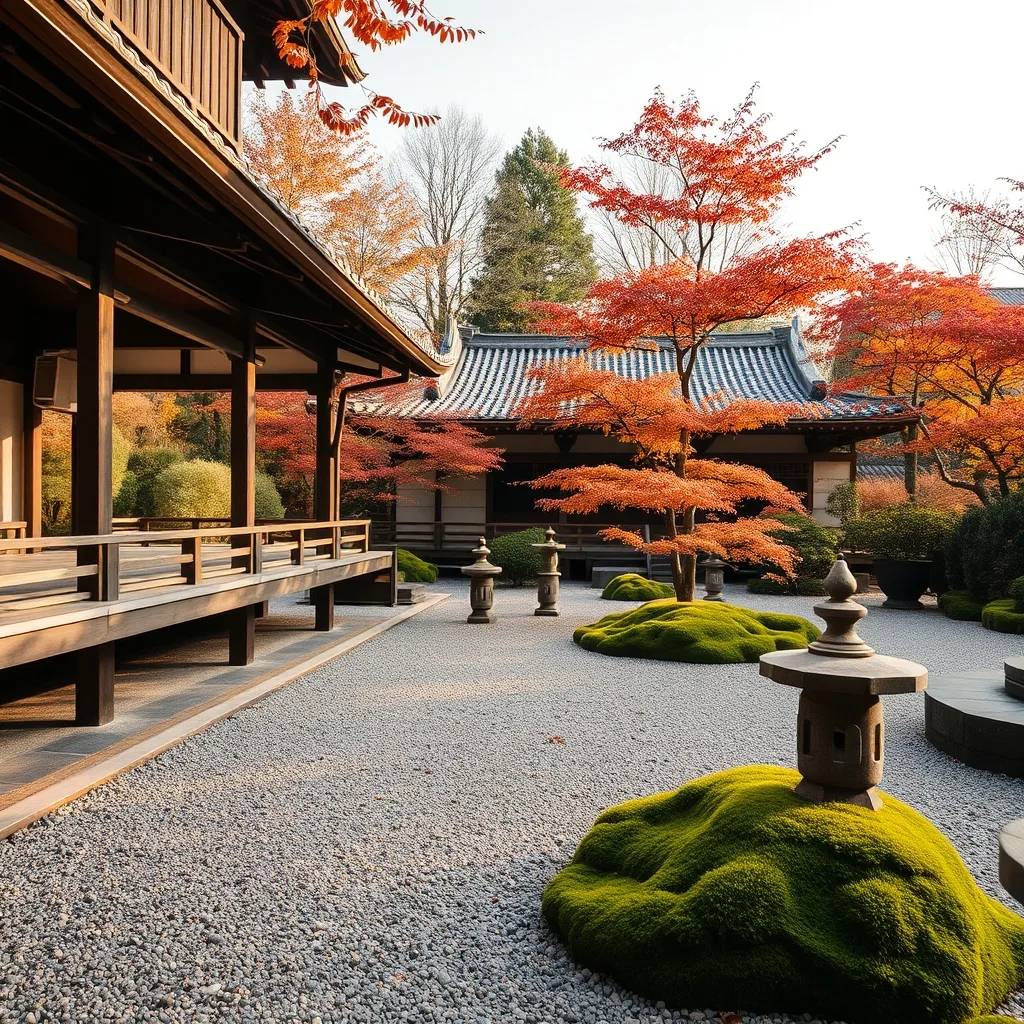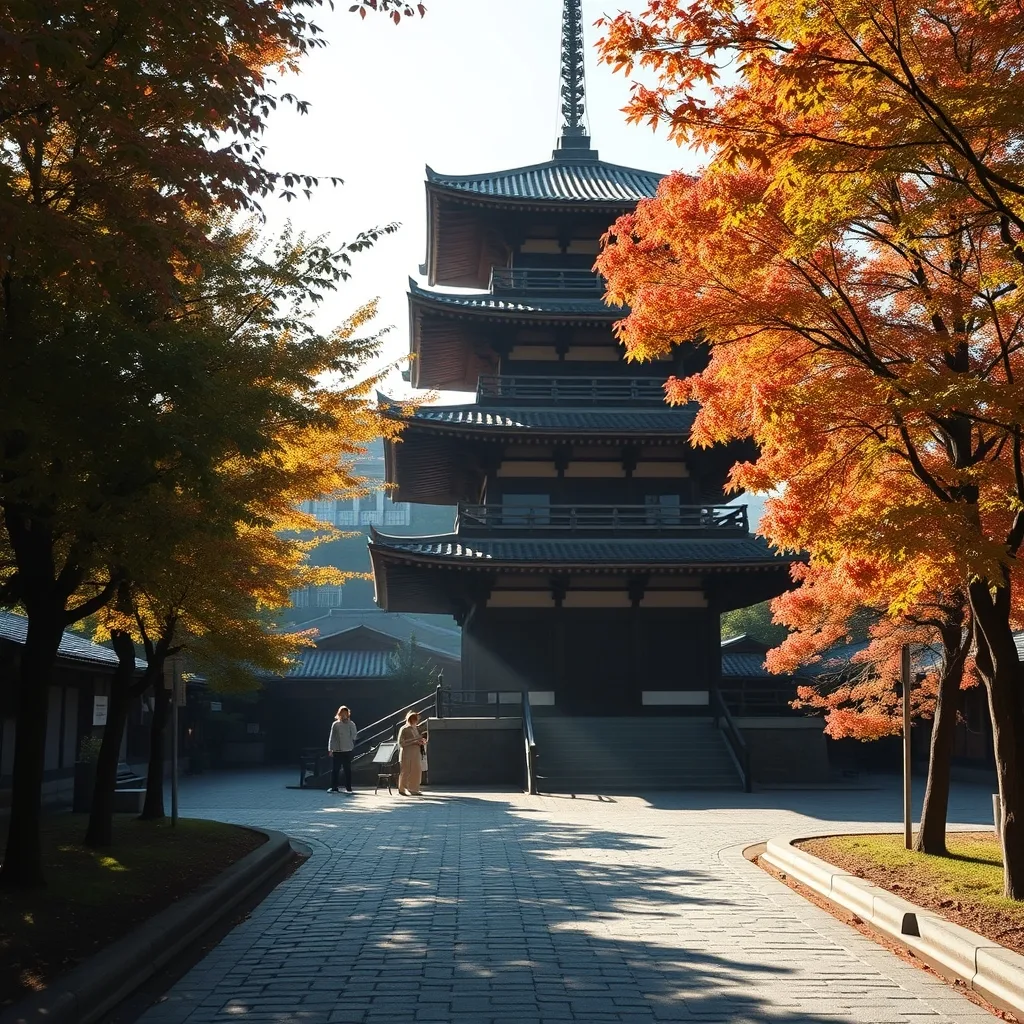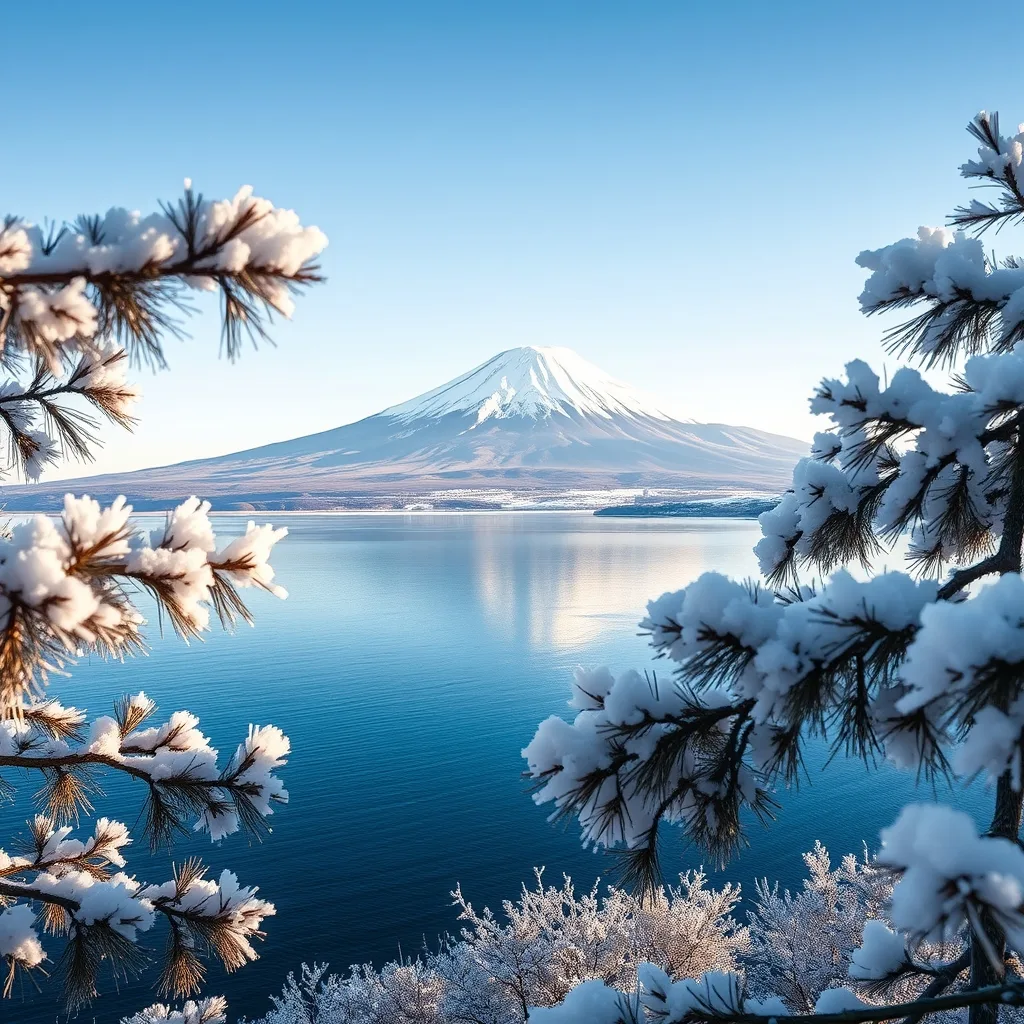
A family trip to Japan in late December requires structuring your route around the nationwide shōgatsu (New Year) shutdown: schedule ticketed museums and indoor attractions between 23 and 28 December, lock in Tokaido Shinkansen reserved seats 30 days ahead for the peak 25 December to 5 January holiday window, and spend 31 December to 2 January exploring shrines, open temple grounds, and illumination parks that thrive during New Year festivities.
For Indian families travelling over the CBSE and ICSE school winter break (typically starting around 20 to 24 December), visiting Japan during New Year offers sparkling city illuminations, clear winter skies with a 75%+ chance of viewing Mount Fuji, and the cultural magic of hatsumōde (the first shrine visit of the year). However, it is also the country's most operationally demanding week: government offices, banks, private clinics, markets, and many independent restaurants shut down completely from 29 December through 3 January.
If you arrive with an unstructured plan, you risk arriving at locked castle gates, standing on frozen train platforms without bullet train seats, or hunting for vegetarian food when neighbourhood kitchens are dark. This guide provides a battle-tested, day-by-day 10-day family route (Tokyo → Mount Fuji / Hakone → Kyoto → Osaka) engineered specifically to dodge holiday closures, complete with realistic ₹ budgets and advance booking deadlines.
(All ₹ figures in this guide are approximate estimates based on September 2026 exchange rates of ¥100 ≈ ₹56–58. Actual flight and hotel rates fluctuate based on your booking window and peak winter demand.)
The Shōgatsu Trap: What Closes (29 Dec – 3 Jan) vs What Stays Open
The biggest mistake first-time visitors make is assuming Tokyo and Kyoto operate 365 days a year like London or Dubai. In Japan, New Year (shōgatsu, 正月) is an intimate family holiday akin to Diwali in India. Millions of Japanese citizens leave Tokyo to visit ancestral hometowns, leaving administrative and cultural venues shuttered.
Before locking in your daily sightseeing order, consult this verified operational status table for the 29 December to 3 January holiday window:
Attraction / Service | Status (29 Dec – 3 Jan) | What Families Must Know | Verified Source |
|---|---|---|---|
Shrines & Open Temples (Fushimi Inari, Meiji Jingu, Senso-ji) | Fully OPEN (Peak Energy) | Free 24/7 grounds access; hatsumōde crowds draw thousands; bustling festive food stalls (yatai). | Shrine authorities & JNTO |
National Museums & Castles (Tokyo National Museum, Nijo Castle) | CLOSED (26/29 Dec – 1/2 Jan) | Nijo Castle grounds shut 29–31 Dec; palace interiors shut 26–28 Dec & 1–3 Jan. Tokyo National Museum shuts year-end, reopens 2 Jan. | Operator notices (tnm.jp, nijo-jocastle.city.kyoto.lg.jp) |
Theme Parks (Tokyo Disney Resort, Universal Studios Japan) | Fully OPEN (Regular Hours) | Disney runs standard 09:00–21:00 hours on 31 Dec (no midnight countdown party); USJ runs ticketed countdown. | Operator calendars (tokyodisneyresort.jp, usj.co.jp) |
Tokaido Shinkansen (Nozomi) | ALL SEATS RESERVED (25 Dec – 5 Jan) | No unreserved cars on Nozomi bullet trains between Tokyo, Kyoto, and Osaka; advance booking mandatory. | JR Central notice (jr-central.co.jp) |
Department Stores & Malls (Isetan, Takashimaya, Daimaru) | CLOSED 1 Jan; OPEN 2 Jan | Shut on New Year's Day; massive hatsuuri (first sales) and lucky bag (fukubukuro) frenzy starts 2 Jan. | Department store calendars |
Wholesale Markets (Tsukiji Outer Market, Nishiki Market) | CLOSED / Minimal (1–4 Jan) | Tsukiji stalls wind down 30 Dec, fully resume 5 Jan. Nishiki Market stalls largely shut 1 Jan, slowly stagger reopening. | Market association guidelines |
Banks, Post Offices & Clinics | CLOSED (31 Dec – 3 Jan) | Mandated by Japanese banking law. Bank teller counters closed; convenience store ATMs remain operational. | Financial Services Agency |
Tip: Do not fall for the Kobe Luminarie trap! Many generic travel blogs suggest adding the famous Kobe light festival to late December winter itineraries. In reality, the official Kobe Luminarie (32nd edition) is scheduled for 29 January to 7 February 2027—it does not take place in December. In December, focus instead on Tokyo's Roppongi Hills, Shibuya Blue Cave, and Osaka's Midosuji Illuminations, which run nightly throughout the month.
Shinkansen Holiday Crunch: The Nozomi All-Reserved Seat Rule
If your family intends to travel between Tokyo, Kyoto, and Osaka between 25 December 2026 and 5 January 2027, you cannot simply show up at Tokyo Station with an unreserved ticket or a regional rail pass and hop aboard the next bullet train.
According to official railway operational policies from JR Central, all Nozomi trains on the Tokaido-Sanyo Shinkansen line operate with 100% reserved seating during this peak holiday period. There are zero non-reserved (jiyūseki) carriages on Nozomi services.
How to Secure Your Family's Train Seats
1. The 30-Day Booking Window
Standard seat reservations open exactly one month prior to your travel date at 10:00 AM Japan Standard Time (06:30 AM IST). For travel on 28 December, seats go live on 28 November.
2. Use the Official Smart EX App
Register an account on the Smart EX website or mobile app before bookings open. You can link bullet train tickets directly to your family's individual digital IC cards (Suica or Pasmo), allowing you to tap through Shinkansen ticket gates seamlessly without waiting in ticket office queues. For step-by-step app screenshots and troubleshooting, read our complete guide on how to book Shinkansen tickets from India.
3. Alternative Train Options
If Nozomi departures are sold out on your preferred morning, Hikari and Kodama trains continue to carry non-reserved carriages. However, these fill rapidly at origin stations, making travelling with children and luggage stressful without guaranteed adjoining seats.
4. Luggage Reservation Rules
If your suitcases have dimensions (length + width + height) exceeding 160 cm, you must book specific Oversized Baggage Area seats (located in the last row of the carriage). With young kids and winter jackets, booking these seats early is essential.
10-Day Dated Itinerary: The New Year Route (23 Dec – 1 Jan)
This 10-day itinerary is specifically sequenced for an Indian family landing at Tokyo Narita (NRT) or Haneda (HND) on 23 December and departing from Osaka Kansai (KIX) or Tokyo on 1 January. By positioning museum visits early and leaning into traditional temple gatherings, winter views, and festive shopping later, your days remain filled with activity while other tourists face shuttered doors.
If you want an alternative cold-weather route that incorporates hot spring baths, you can also explore our curated 7-day Japan winter itinerary for inspiration.
Dec 23–25: Tokyo highlights, TeamLab & Skytree (fully open)
Dec 26: Mount Fuji & Lake Kawaguchiko day trip (peak winter clarity)
Dec 27–28: Tokyo to Kyoto via Shinkansen; Arashiyama & Gion
Dec 29–30: Kyoto historic temples & Nara deer park
Dec 31: Joya no Kane temple bells & New Year's Eve in Kyoto
Jan 1: Hatsumōde at Fushimi Inari & Osaka Dotonbori evening
Jan 2: Osaka Castle grounds, Hatsuuri shopping & flight home
Day 1 (23 Dec): Tokyo Arrival & Shinjuku Illumination Walk
Morning/Afternoon: Land at Tokyo Haneda or Narita. Collect pocket Wi-Fi routers or activate eSIMs, and load digital Suica cards on parents' iPhones. Board the Narita Express or Tokyo Monorail into central Tokyo. Check into your family-friendly base in Shinjuku or Ueno (explore our neighbourhood breakdown on where to stay in Tokyo for first-timers).
Evening: Ease into the local time zone with an easy stroll through the dazzling winter illuminations around Shinjuku Southern Terrace. Grab a warm dinner at an Indian restaurant near Shinjuku Station or an authentic vegetarian ramen bowl at Afuri.
Day 2 (24 Dec): Asakusa, Tokyo Skytree & Akihabara
Morning (09:00): Visit Senso-ji Temple in Asakusa before the afternoon crowds swell. Walk through Nakamise Shopping Street where kids can sample fresh, warm age-manju (fried red-bean pastries) and dango.
Afternoon (13:00): Cross the Sumida River to Tokyo Skytree for panoramic city views. The base mall, Tokyo Solamachi, is fully open and packed with family dining and character shops (Pokémon Center, Studio Ghibli store).
Late Afternoon (16:30): Explore Akihabara's multi-storey electronics and retro gaming centres (Yodobashi Akiba and Radio Kaikan) while retail stores operate on regular pre-holiday schedules.
Day 3 (25 Dec): TeamLab Planets & Shibuya Sky
Morning (09:30): Experience teamLab Planets in Toyosu (tickets must be booked 2 months in advance). Kids love wading through knee-deep digital water filled with glowing koi fish (warm water, rolled-up trousers required).
Afternoon (14:00): Head to Harajuku for colourful street snacks on Takeshita Street. Walk through the tranquil forested paths of Meiji Jingu Shrine, which is already preparing its courtyards for millions of New Year visitors.
Sunset (16:30): Ascend to Shibuya Sky for 360-degree views of the iconic Shibuya Crossing beneath twilight city lights.
Day 4 (26 Dec): Mount Fuji Winter View & Lake Kawaguchiko
Full Day: Winter is officially the clearest season of the year for Mount Fuji viewings. According to long-term observation data from the Fuji City Municipal Government, winter mornings between December and February yield a 75% to 80%+ clear visibility rate, compared to under 30% in hazy summer months.
Take the direct Fuji Excursion train from Shinjuku to Kawaguchiko Station. Ride the Mount Fuji Panoramic Ropeway, stroll the shores of Lake Kawaguchiko framed by frosted pine trees, and explore Oishi Park. Check out our detailed logistical guide on planning a Mount Fuji day trip from Tokyo.
Evening: Return to Tokyo and drop main suitcases at your hotel front desk to send them ahead to Kyoto via Takkyubin luggage forwarding.
Day 5 (27 Dec): Bullet Train to Kyoto & Arashiyama Bamboo Grove
Morning (08:30): Board your reserved Nozomi Shinkansen from Tokyo Station to Kyoto Station (2 hours 15 minutes). Enjoy viewing a snow-dusted Mount Fuji from the right-hand side (seats D and E) between Shin-Yokohama and Shizuoka.
Afternoon (13:00): Check into your Kyoto hotel and head directly to Arashiyama. Walk through the soaring Bamboo Grove, visit the UNESCO-listed Tenryu-ji Zen temple gardens, and let kids feed the free-roaming monkeys at the Iwatayama Monkey Park.
Evening: Stroll along the Katsura River and enjoy dinner in central Kyoto. For more detailed temple planning, see our dedicated 3-day Kyoto itinerary for couples and families.
Day 6 (28 Dec): Kinkaku-ji & Gion Historic District
Morning (09:00): Beat the tour buses to Kinkaku-ji (The Golden Pavilion). In crisp late December morning light, the gold leaf reflects brilliantly against the surrounding mirror pond, occasionally dusted with light snow.
Afternoon (13:00): Explore eastern Kyoto's preserved pedestrian lanes of Ninenzaka and Sannenzaka up to Kiyomizu-dera Temple, celebrated for its massive wooden stage built without a single nail.
Evening: Walk quietly through the lantern-lit stone alleys of Gion and Pontocho along the Kamogawa River.
Day 7 (29 Dec): Nara Deer Park & Friendly Excursions
Full Day: Take the JR Nara Line from Kyoto Station to Nara (45 minutes). Nara Park and Todai-ji Temple remain open throughout the year-end period.
Buy deer crackers (shika-senbei, ¥200 per pack) and watch friendly bowing sika deer interact with the kids. Marvel at the 15-metre Great Bronze Buddha inside Todai-ji's monumental wooden hall.
Review our complete pacing recommendations in the Nara day trip itinerary with kids.
Evening: Return to Kyoto for an early family dinner.
Day 8 (30 Dec): Kyoto Imperial Grounds & Prep for Shutdown
Morning (10:00): Stroll the expansive gravel pathways of the Kyoto Imperial Palace park (Kyoto Gyoen), which remains accessible even as palace interior tours wind down.
Afternoon (14:00): Stop by convenience stores and bakery chains to pick up bread, fresh milk, fruit, and snacks for 31 December and 1 January, when local neighbourhood grocers and smaller bakeries take time off.
Late Afternoon: Visit Nishiki Market before individual shopkeepers pack up their stalls for their family holidays.
Day 9 (31 Dec): New Year's Eve, Temple Bells (Joya no Kane) & Transit to Osaka
Morning: Transfer from Kyoto to Osaka via local rapid train (30 minutes). Drop day packs at your hotel near Namba or Umeda.
Afternoon: Stroll through Osaka's lively Dotonbori district. While some smaller dining spots close early on New Year's Eve, major chain restaurants, food stalls, and takoyaki stands beneath the Glico Running Man sign remain bustling.
Night (22:30 – 00:30): Experience the spiritual culmination of the Japanese year: Joya no Kane (除夜の鐘). Buddhist temples ring their massive bronze bells exactly 108 times around midnight to cleanse humanity of the 108 earthly desires (bonnō). In Kyoto and Osaka, temple grounds welcome respectful visitors with warm cups of amazake (sweet non-alcoholic fermented rice drink).
Day 10 (1 Jan): Hatsumōde at Fushimi Inari & New Year Celebrations
Morning (08:30): Take a short 40-minute train ride back to southern Kyoto to take part in hatsumōde at Fushimi Inari Shrine. Unlike castles and museums, Shinto shrine grounds are open 24 hours a day, 365 days a year, with free admission. Joining thousands of Japanese families offering coins, purchasing protective omamori amulets, and walking beneath thousands of vermilion torii gates in the crisp morning air is an unforgettable cultural experience.
Afternoon (14:00): Return to Osaka. If flying home on 2 January, take advantage of the massive hatsuuri (first sale) across major department stores (Daimaru Shinsaibashi, Hankyu Umeda) to purchase lucky mystery bags (fukubukuro) filled with toys, clothing, and confections.
Departure: Board the Haruka Express from Tennoji or Shin-Osaka directly to Kansai International Airport (KIX) for your flight home, or take the Shinkansen back to Tokyo.
The Indian Family Moat: Food, School Calendars & Packing
Travelling to Japan in late December as an Indian family involves practical constraints that generic Western travel blogs overlook:
1. CBSE / ICSE Winter School Break Realities
Unlike Western school breaks that often run through mid-January, Indian private and convent schools typically schedule winter vacations between roughly 22/24 December and 1/2 January (varying by state, school board, and weather alerts in North India). Because this window is rigid and brief, you have zero room for idle days. Every transit connection and hotel base must be locked in advance.
2. Vegetarian Dining During Holiday Shutdowns
Finding pure vegetarian or Jain food is already a challenge in Japan, but during New Year it demands extra preparation:
The Osechi Dilemma: Traditional Japanese New Year banquet boxes (osechi-ryōri) look colourful, but almost every compartment contains seafood, fish stock (dashi), gelatin, or dried fish flakes. Do not order hotel osechi breakfasts expecting vegetarian dishes.
Convenience Store Staples: 7-Eleven, Lawson, and FamilyMart remain open 24/7. Stock up on sea salt onigiri (shio-musubi), kelp onigiri (kombu), edamame, vegetable salad bowls with sesame dressing, and roasted sweet potatoes (yaki-imo).
Indian Restaurants in Metros: Indian restaurants in major hubs like Tokyo (Shinjuku, Ginza, Nishi-Kasai) and Osaka (Umeda, Namba) remain open throughout New Year's Eve and New Year's Day to cater to holiday crowds. Consult our complete guide on vegetarian food in Tokyo for tested restaurants.
3. Winter Layering for Kids
Central Japan (Tokyo, Kyoto, Osaka) in late December features crisp, dry winter weather with daytime temperatures averaging 8°C to 12°C, dropping to 1°C to 4°C at night.
Pack high-quality thermal innerwear (Uniqlo Heattech or Indian woollens).
Because Japanese trains, buses, and indoor malls blast heavy heating (often set to 22°C–24°C), dress children in zip-up layers that can be taken off instantly when boarding transit.
Carry compact umbrella strollers with warm footmuffs for toddlers, but remember that shrine gravel pathways (like Meiji Jingu) require sturdy wheels.
Reverse Booking Timeline: Deadlines from India
Because December flights and peak holiday bullet trains sell out months ahead, work backward from your December departure date:
Timing Ahead | Milestone Action | Crucial Detail for Indian Families |
|---|---|---|
4–5 Months Out (Aug–Sep) | Book Flights & Reserve Family Hotels | Flights from Delhi/Mumbai surge from ₹45,000 to ₹75,000+ per seat over New Year; lock family twin rooms early. Read our analysis on Delhi to Tokyo flight prices. |
6–8 Weeks Out (Late Oct – Early Nov) | Submit Visa Application to VFS | Compile your passport, 3-year ITR, bank statements, and day-by-day Schedule of Stay (Taizai Yoteisho). Follow our Japan visa documents checklist for Indians. |
30 Days Out (Late Nov – Dec) | Book Shinkansen Nozomi Reserved Seats | Booking window opens at 10:00 JST (06:30 IST) 30 days prior. Reserve Tokaido line tickets on the Smart EX app. |
14 Days Out (Early Dec) | Pre-book Timed Attractions | Secure teamLab Planets, Shibuya Sky sunset slots, and Universal Studios Japan Express Passes. |
3 Days Out (Mid-Dec) | Complete Visit Japan Web | Fill in customs and immigration declarations online to generate QR codes for fast terminal processing. |
Budget Breakdown: 10-Day Family Trip from India (Family of 4)
Here is a realistic estimated budget breakdown for a family of 4 (2 adults, 2 children) travelling for 10 days over the peak late-December / New Year holiday period:
Expense Category | Approximate Cost (JPY) | Estimated Cost (INR) | Budget Optimization Notes |
|---|---|---|---|
Return Flights (DEL/BOM – TYO/KIX) | ¥450,000 – ¥550,000 | ₹2,50,000 – ₹3,10,000 | Peak holiday pricing; booking 4+ months early saves ₹40,000+. |
Hotels (9 Nights, Family Twin / Triple) | ¥225,000 – ¥315,000 | ₹1,25,000 – ₹1,75,000 | Business chains like Daiwa Roynet or Richmond offer spacious family layouts. |
Intercity & Local Transit | ¥70,000 – ¥90,000 | ₹39,000 – ₹50,000 | Includes Shinkansen reserved seats + digital Suica IC card top-ups. |
Food & Dining | ¥120,000 – ¥160,000 | ₹67,000 – ₹90,000 | Mix of sit-down dinners, Indian restaurants, and convenience store breakfasts. |
Attractions & Activities | ¥45,000 – ¥65,000 | ₹25,000 – ₹36,000 | teamLab, Shibuya Sky, Skytree, and temple entrance fees. |
Visas, Forex & Insurance | ¥25,000 – ¥35,000 | ₹14,000 – ₹20,000 | VFS submission fees + comprehensive international family travel insurance. |
Total Estimated Trip Cost | ¥935,000 – ¥1,215,000 | ₹5,20,000 – ₹6,81,000 | ≈ ₹1.30L – ₹1.70L per person all-inclusive. |
Frequently Asked Questions (FAQ)
Does public transport shut down in Japan on New Year's Day?
No. Subways, JR commuter trains, and city buses in Tokyo, Kyoto, and Osaka operate on regular weekend or holiday timetables throughout 31 December and 1 January. In previous decades, subways ran all-night services on New Year's Eve, but since 2020 most lines finish around their normal 00:30–01:00 AM closing times, resuming at 05:00 AM. Always check local station timetables if attending midnight temple bells.
Will our children see snow in Tokyo or Kyoto in late December?
Snowfall in Tokyo, Kyoto, and Osaka in late December is rare; you are far more likely to experience clear, sunny, crisp winter days. If your children are eager to play in real snow, consider taking a 75-minute Joetsu Shinkansen ride from Tokyo Station to Gala Yuzawa Snow Resort in Niigata (a dedicated ski station directly connected to the bullet train concourse).
Are convenience store ATMs open during the bank holiday closures?
Yes. While physical brick-and-mortar bank branches shut nationwide between 31 December and 3 January, ATMs inside 7-Eleven (Seven Bank), FamilyMart (E-Net), and Lawson remain fully operational 24/7. They reliably accept international Visa, Mastercard, and zero-forex debit cards with English-language menus.
Can we submit this exact itinerary to VFS for our Japan tourist visa?
Yes. The day-by-day structure outlined above matches the exact format required for the official Japanese Embassy Schedule of Stay (Taizai Yoteisho). Make sure to insert your confirmed hotel names, addresses, and phone numbers corresponding to each city block before printing. For a downloadable template, consult our free Japan visa itinerary sample.
Planning a multi-city family holiday across Tokyo, Mount Fuji, Kyoto, and Osaka during Japan's busiest winter week shouldn't leave you stressed over hotel dates or train bookings. Use our smart itinerary builder to build your custom Japan travel itinerary today, complete with automated transfer timings, child-friendly stops, and instant Schedule of Stay exports for your visa application.