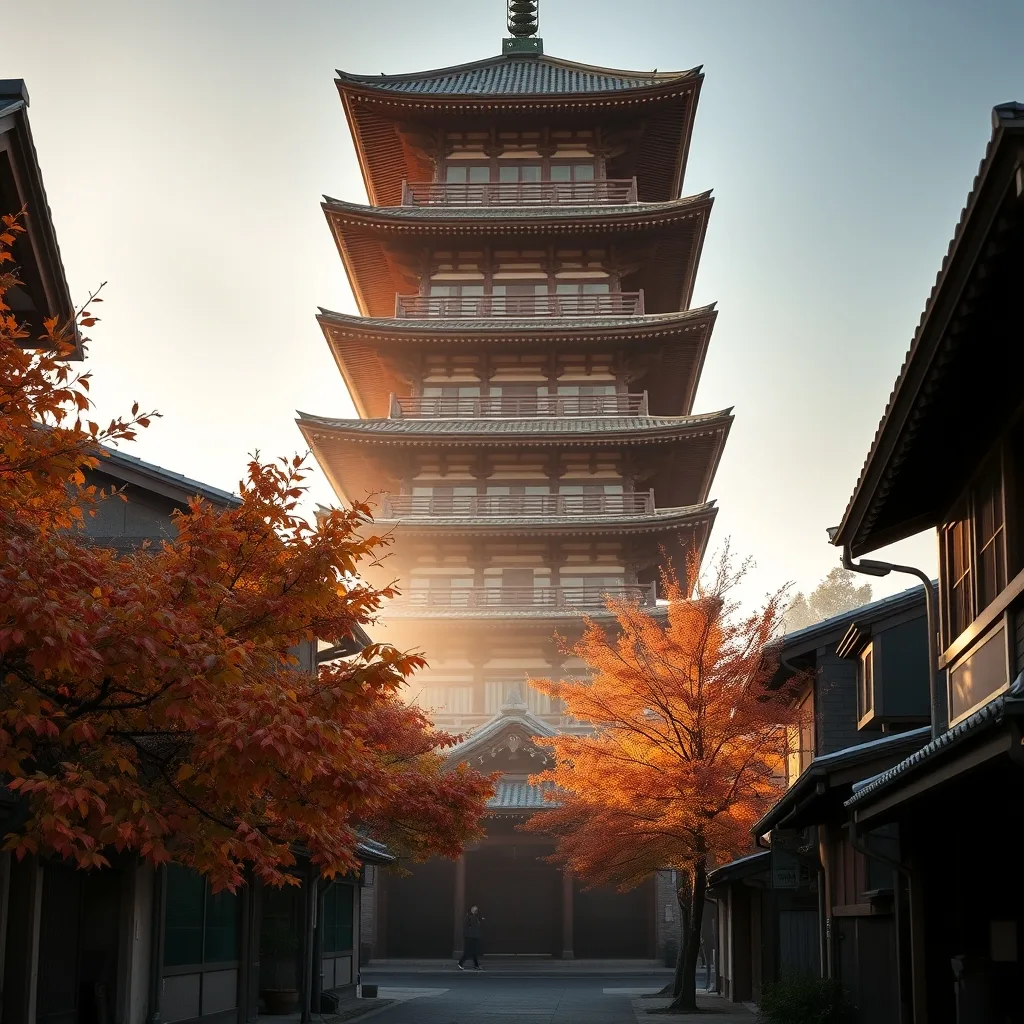
An 8-day Japan trip from India costs approximately ₹1.35–1.65 Lakhs per person (₹2.7–3.3 Lakhs per couple), covering international flights, 3-star business hotels, Nozomi bullet train tickets, and daily expenses. The single most effective strategy for a tight 8-day trip is booking an open-jaw (multi-city) flight route—flying from India directly or via one stop into Osaka Kansai (KIX) and departing from Tokyo Haneda or Narita (HND/NRT)—which eliminates 3 hours of return transit, saves approximately ₹8,000 (¥14,600) per traveler in train fares, and anchors your trip around just two hotel bases.
(All budget estimates, bullet train fares, and transit calculations in this guide reflect verified 2026 rates. Flight and hotel costs vary by booking lead time, departure metro, and traveling season.)
For working Indian professionals, an 8-day holiday represents the ideal travel sweet spot: taking 5 working days of annual leave wrapped between two weekends yields 9 full calendar days away. Yet standard commercial tour packages and generic travel blogs make a critical mistake: they force visitors into a closed Tokyo loop (Tokyo → Kyoto → Tokyo), wasting an entire day dragging luggage back to where you started.
By routing west-to-east—starting with 4 nights in culturally rich Kyoto (with day excursions to Uji and Nara) before taking the Tokaido Shinkansen east for 3 nights in Tokyo—you experience historic shrines, modern neon districts, coastal day trips, and traditional dining without losing precious holiday hours to backtracking.
Below is your complete, day-by-day Golden Route guide, including realistic ₹ expense tables, train booking instructions, vegetarian dining strategies, and how to export this route directly into your mandatory Japan visa Schedule of Stay.
Why the Open-Jaw Route Beats the Tokyo Loop
Most first-time visitors default to booking a standard round-trip flight from Delhi, Mumbai, or Bengaluru into Tokyo (NRT or HND). When you want to see both Tokyo and the ancient capitals of the Kansai region (Kyoto and Osaka), a round-trip ticket creates major logistical friction:
Backtracking Costs Time and Money
A one-way ticket on the Nozomi Shinkansen between Tokyo and Kyoto costs ¥14,600 (≈₹8,050) per person and takes 2 hours and 15 minutes. If you fly round-trip into Tokyo, you must buy a return Shinkansen ticket to get back to the airport on Day 8, burning an extra ¥14,600 (≈₹8,050) per person and at least 3 to 4 hours of your final holiday afternoon in transit.
Multi-City Flight Parity
Full-service carriers connecting India to Japan—including Singapore Airlines, Malaysia Airlines, VietJet, Cathay Pacific, and ANA/Air India partnerships—allow you to select the "Multi-City" search tab at near-identical fares to standard round-trip tickets. Booking Delhi/Mumbai/Bengaluru → Osaka (KIX) and Tokyo (NRT/HND) → India generally costs between ₹45,000 and ₹55,000 return when reserved 60 to 90 days in advance.
Minimal Hotel Packing
Moving hotels every night drains energy. This open-jaw route requires exactly two accommodations:
Base 1 (Kyoto, 4 Nights): Stay near Kyoto Station or Karasuma/Kawaramachi. This provides a central launchpad for Kyoto's shrines, a morning side trip to Uji, and an afternoon excursion to Nara.
Base 2 (Tokyo, 3 Nights): Stay in Shinjuku, Ginza, or Asakusa. This lets you explore modern Tokyo hubs and take an easy coastal day trip to Kamakura and Enoshima without repacking your bags.
8-Day Japan Itinerary at a Glance
Day | Primary Base | Highlights & Activities | Key Transit |
|---|---|---|---|
Day 1 | Kyoto | Arrive at Osaka KIX, Haruka Express to Kyoto, evening Pontocho Alley walk | JR Haruka Express (ICOCA) |
Day 2 | Kyoto | Morning matcha in Uji (Byodoin), afternoon Nara Park deer & Todai-ji | JR Nara Line |
Day 3 | Kyoto | Kiyomizu-dera, Higashiyama stone lanes, Gion evening geisha district | Kyoto City Subway / Bus |
Day 4 | Kyoto | Arashiyama Bamboo Grove, Tenryu-ji Temple, Sagano Romantic Train | JR San-in Line |
Day 5 | Tokyo | Morning Nozomi Shinkansen to Tokyo, Shibuya Crossing & Shinjuku skyline | Tokaido Shinkansen (Smart EX) |
Day 6 | Tokyo | Kamakura Great Buddha, Hasedera ocean views, Enoshima sunset | JR Yokosuka Line & Enoden |
Day 7 | Tokyo | Historic Senso-ji Temple in Asakusa, Kappabashi Kitchen Town, Ginza evening | Tokyo Metro (Suica) |
Day 8 | Departure | Last-minute shopping at Tokyo Station Character Street, transit to Narita/Haneda | Narita Express / Keisei Skyliner |
Interactive Route Map: You can review, customize, and export this complete day-by-day plan directly through our live curated 8-day Japan itinerary, which includes geocoded sightseeing stops and transit directions.
Day-by-Day Itinerary: Kyoto to Tokyo
Day 1: Arrival at Osaka (KIX) and Transit to Kyoto
Your flight lands at Kansai International Airport (KIX). After clearing immigration, customs, and picking up your pre-ordered pocket Wi-Fi or activating your mobile data, head directly to the Kansai-Airport Station located across the second-floor terminal footbridge.
Board the dedicated JR West Haruka Express, which runs directly from Kansai Airport to Kyoto Station in approximately 75 minutes. You can purchase your discounted Haruka ticket alongside an ICOCA transit card at the JR ticket machines or show your digital voucher from Klook.
Check into your hotel in central Kyoto. If you stay near Kyoto Station or the Shijo-Karasuma intersection, drop your bags and head out for a gentle evening stroll through Pontocho Alley and along the Kamogawa River. Pontocho is an atmospheric, pedestrian-only cobblestone corridor lined with traditional wooden machiya buildings, lantern-lit dining spots, and historic teahouses. Enjoy a relaxed dinner, pick up bottled green tea and fresh snacks from a local convenience store (conbini), and get a restful night's sleep to recover from your flight.
Day 2: Uji Matcha Culture and Nara's Ancient Deer Park
Take an early morning train from Kyoto Station on the JR Nara Line to Uji (about 20 minutes on a rapid service). Uji is Japan's matcha capital and the cradle of green tea culture.
Morning in Uji: Stroll across the scenic Uji River to Byodoin Temple (admission ≈¥600), the ancient Pure Land Buddhist pavilion featured on the Japanese 10-yen coin. Afterward, explore the Byodoin Omotesando shopping street to sample freshly whisked ceremonial matcha, matcha dango (rice dumplings), and matcha-infused soba noodles.
Afternoon in Nara: Hop back on the JR Nara Line toward JR Nara Station (≈30 minutes). Walk through town toward the sprawling Nara Park, home to over 1,000 free-roaming, protected sika deer. Purchase a bundle of deer crackers (shika-senbei, ¥200) from street vendors; bow gently to the deer, and they will bow back before taking a cracker.
Todai-ji Temple: Walk through the monumental Nandaimon Gate to enter the Daibutsuden (Great Buddha Hall) of Todai-ji (admission ≈¥800), one of the world's largest wooden buildings, housing a colossal 15-meter bronze Buddha statue.
Evening Return: Return to Kyoto Station via the JR Nara Line in time for dinner near the Kyoto Station sky garden or the bustling dining streets of Kawaramachi. For a deeper breakdown of temple timing and deer feeding tips, see our Nara day trip itinerary.
Day 3: Classic Kyoto — Kiyomizu-dera, Higashiyama, and Gion
Dedicate Day 3 to experiencing the architectural and cultural heart of traditional Kyoto.
07:30 — Early Morning at Kiyomizu-dera: Beat the tour buses by arriving early at Kiyomizu-dera Temple (admission ≈¥500). Stand on the massive wooden stage, built entirely without nails, jutting out over the forested hillside with panoramic views across Kyoto city. Drink from the sacred Otowa Waterfall below, whose three separate streams represent health, longevity, and success in studies.
09:30 — Sannenzaka and Ninenzaka Stone Alleys: Descend through the preserved historic flagstone alleys of Sannenzaka and Ninenzaka. Lined with preserved Edo-era merchant shops, artisan ceramic studios, incense boutiques, and the famous traditional tatami-mat Starbucks, this is Kyoto at its most photogenic.
12:30 — Lunch around Gion or Nishiki Market: Walk toward Shijo Street. Explore the covered stalls of Nishiki Market for local snacks, or stop at one of the cozy cafes tucked along the Shirakawa canal.
15:00 — Yasaka Shrine and Maruyama Park: Wander through Yasaka Shrine, famous for its hanging lanterns, before exploring the scenic bridges and weeping willows of the Gion geisha district. If you are interested in a deeper multi-day exploration of Kansai's historic quarters, browse our dedicated 3-day Kyoto itinerary for couples.
Day 4: Arashiyama Bamboo Grove and Scenic Western Kyoto
Head to western Kyoto by taking the JR San-in (Sagano) Line from Kyoto Station to Saga-Arashiyama Station (≈16 minutes).
08:00 — Arashiyama Bamboo Grove: Walk into the soaring green stalks of the bamboo forest while the morning light filters through the canopies. The path is serene and quiet in the early morning before midday foot traffic arrives.
09:30 — Tenryu-ji Temple & Sogenchi Garden: Step directly from the bamboo forest into the UNESCO-listed Tenryu-ji (admission ≈¥800 for temple and gardens). Its 14th-century landscape garden incorporates the surrounding Arashiyama mountains into its design (shakkei or "borrowed scenery").
11:00 — Togetsukyo Bridge and Monkey Park Iwatayama: Walk across the wooden Togetsukyo ("Moon Crossing") Bridge spanning the Oi River. If you enjoy panoramic city views, hike 20 minutes up the trail to Monkey Park Iwatayama (admission ≈¥600), where wild Japanese macaques roam freely at the summit overlooking the Kyoto basin.
Evening: Return to central Kyoto to pack your suitcases for tomorrow morning's bullet train ride to Tokyo.
Day 5: Nozomi Shinkansen to Tokyo, Shibuya & Shinjuku
Today you transition from ancient Japan to the futuristic capital via Japan's world-famous high-speed rail network.
Morning Bullet Train: Walk or take a short taxi to Kyoto Station. Board a Tokaido Shinkansen Nozomi train toward Tokyo. The Nozomi covers the 513-kilometer journey in just 2 hours and 15 minutes, gliding past Mount Fuji (request seats on the left side, Row E in standard cars, for views of the volcano on clear days). Book your tickets 30 days in advance via the official Smart EX portal or through Klook; check our detailed tutorial on how to book Shinkansen tickets from India for step-by-step payment tips.
Check-in in Tokyo: Arrive at Tokyo Station or Shinagawa Station and transfer via the JR Yamanote Line or subway to your hotel. For convenience, safety, and transit connectivity, consult our neighborhood breakdown on where to stay in Tokyo for first-timers.
16:00 — Shibuya Crossing and Hachiko: Take the subway to Shibuya. Step out to the bronze statue of the faithful dog Hachiko, then join thousands of pedestrians crossing the world's busiest intersection at Shibuya Scramble. Head up to the rooftop observatory at Shibuya Sky (reserve tickets 4 weeks ahead) for sunset views across Tokyo's sea of skyscrapers.
19:30 — Shinjuku Neon and Omoide Yokocho: Take the Yamanote Line one stop north to Shinjuku. Wander past the giant 3D calico cat billboard outside Shinjuku Station East Exit, stroll through the atmospheric narrow alleys of Omoide Yokocho ("Memory Lane"), and catch views from the free observation deck of the Tokyo Metropolitan Government Building.
Day 6: Coastal Day Trip to Kamakura & Enoshima
Escape the metropolitan high-rises for a coastal excursion to Kamakura, Japan's 12th-century feudal capital, situated just 55 minutes south of Tokyo on the JR Yokosuka Line.
09:00 — Kotoku-in & The Great Buddha: Arrive at Kamakura Station, transfer to the retro Enoden coastal railway, and alight at Hase Station. Walk 7 minutes to Kotoku-in (admission ≈¥300) to stand before the monumental outdoor bronze Great Buddha (Daibutsu), which has survived tsunamis and earthquakes since 1252.
10:30 — Hasedera Temple: Visit nearby Hasedera, set on a verdant hillside overlooking the Pacific Ocean. The temple houses an 11-headed wooden statue of Kannon and features tranquil koi ponds and lush hydrangea gardens.
13:30 — Enoshima Island Coastal Sunset: Board the vintage green Enoden train westward along the Shonan coastline toward Enoshima. Cross the sea bridge onto the island, climb past sea caves to the Enoshima Sea Candle lighthouse, and watch Mount Fuji silhouetted against the Pacific horizon at golden hour. For a complete transit schedule and dinner spots, read our Kamakura and Enoshima day trip guide.
Evening: Return directly to Tokyo on the Odakyu Line or JR Line for dinner.
Day 7: Historic Asakusa, Kitchen Town & Toyosu/Ginza
Spend your final full day immersing yourself in Tokyo's contrasting historic and cutting-edge attractions.
08:30 — Senso-ji in Asakusa: Visit Tokyo's oldest temple, Senso-ji (free entry). Enter through the iconic Kaminarimon ("Thunder Gate") under its giant red paper lantern, then browse traditional crafts, folding fans, and sweet rice cakes along the Nakamise-dori shopping street.
11:00 — Kappabashi Kitchen Town: Walk 10 minutes west into Kappabashi, Tokyo's legendary restaurant-supply district. Here you can buy handcrafted Japanese kitchen knives (with custom name engraving) and remarkably detailed fake food samples (sampuru).
14:30 — Modern Art or Ginza Architecture: Visit the immersive digital art installations at teamLab Planets in Toyosu (tickets must be booked weeks in advance online), or spend a sophisticated afternoon admiring the flagship luxury architecture, department store basement food halls (depachika), and stationery shops (Itoya) in Ginza.
20:00 — Farewell Dinner: Celebrate your final evening in Japan with a memorable dinner overlooking the illuminated Tokyo Tower or Tokyo Skytree.
Day 8: Last-Minute Souvenir Shopping and Departure
Check out of your hotel. Depending on your flight departure time from Tokyo Haneda (HND) or Narita (NRT):
Tokyo Station Character Street: If you have 2–3 hours before heading to the airport, leave your bags in a locker at Tokyo Station and visit Tokyo Character Street in the basement concourse. It features official concept shops for Studio Ghibli, Pokémon, Hello Kitty, Ultraman, and Sailor Moon, making it the fastest place to pick up authentic souvenirs.
Airport Transit:
To Haneda Airport (HND): Take the Tokyo Monorail from Hamamatsucho Station (≈13 minutes) or the Keikyu Airport Line from Shinagawa Station (≈15 minutes).
To Narita Airport (NRT): Board the JR Narita Express from Tokyo/Shinjuku Station (≈60 minutes) or take the Keisei Skyliner from Ueno Station (≈36 minutes).
Clear security, spend any remaining Japanese Yen coins at duty-free, and board your flight home to India.
Estimated Budget Breakdown for Indian Couples (in ₹)
Here is a realistic, itemized cost estimate for an 8-day Japan trip for two travelers departing from an Indian metro. All figures are presented per person on a twin-sharing basis:
Expense Category | Cost per Person (₹) | Total for Couple (₹) | Booking Notes & Inclusions |
|---|---|---|---|
Return Flights (Open-Jaw) | ₹45,000–₹55,000 | ₹90,000–₹1,10,000 | Ex-DEL/BOM/BLR to KIX, out of HND/NRT; booked 60–90 days ahead |
Accommodation (7 Nights) | ₹30,000–₹38,000 | ₹60,000–₹76,000 | Clean 3-star business hotels (Daiwa Roynet, Sotetsu, Richmond) |
Intercity Bullet Train | ₹8,050 | ₹16,100 | One-way Nozomi Shinkansen Kyoto → Tokyo (¥14,600 reserved) |
Local Transit & Airport Express | ₹8,000–₹11,000 | ₹16,000–₹22,000 | Haruka Express + Narita/Haneda Express + IC Card metro fares |
Food & Dining | ₹18,000–₹24,000 | ₹36,000–₹48,000 | Mix of local Japanese meals, conbini snacks, and Indian dinners |
Temple & Attraction Admissions | ₹5,000–₹8,000 | ₹10,000–₹16,000 | Todai-ji, Kiyomizu-dera, Byodoin, teamLab, Shibuya Sky |
Tourist Visa & VFS Fees | ₹1,300 | ₹2,600 | ₹500 consular fee + ₹800 VFS Global service fee |
Travel Insurance & eSIM Data | ₹2,000–₹3,000 | ₹4,000–₹6,000 | Comprehensive travel medical cover + 10GB Airalo/Ubigi eSIM |
Total Estimated Budget | ₹1,17,350–₹1,48,350 | ₹2,34,700–₹2,96,700 | Approximate; varies by airline, booking window, and season |
Why the JR Pass is Not Worth It Here: The nationwide 7-day Ordinary Japan Rail Pass costs ¥50,000 (≈₹27,600) per person. On this open-jaw itinerary, your only intercity bullet train leg is Kyoto to Tokyo (¥14,600) plus local regional trains (≈¥6,000 total). Buying individual point-to-point tickets saves over ₹13,000 per person compared to purchasing an unnecessary nationwide rail pass.
Vegetarian and Indian Food Strategy along the Route
Finding delicious vegetarian, vegan, and Indian meals in Japan is entirely manageable if you understand local ordering terms and use specialized apps like HappyCow.
Essential Phrases to Know
Many Japanese broths contain dashi (fish stock) and bonito flakes, even in tofu dishes. Keep these phrases saved on your phone:
"Watashi wa niku to sakana o taberaremasen" (I cannot eat meat or fish).
"Dashi mo dame desu" (Fish stock/broth is also not allowed).
"Bejitarian desu" (I am vegetarian).
Vegetarian Dining in Kyoto
Kyoto is the historical center of shojin ryori (Buddhist Zen vegetarian cuisine) and artisanal tofu:
Tofu & Yuba Specialties: Visit restaurants around Nanzen-ji or Arashiyama for multi-course boiled tofu (yudofu) and fresh soymilk skin (yuba).
Gyoza & Noodles: Chao Chao Gyoza near Sanjo offers a dedicated vegan gyoza menu prepared on separate cookware.
Indian Restaurants: If you crave North or South Indian comfort food after long walking days, Ashoka in Kawaramachi and Aashirwad near Shijo-Karasuma serve freshly baked rotis, dal tadka, and paneer curries.
Vegetarian Dining in Tokyo
Tokyo has an extensive network of modern plant-based eateries:
Vegan Ramen: Visit T's Tantan inside Tokyo Station (Keiyo Street, inside the ticket gates) or Ueno Station. They serve rich, sesame-based tantanmen noodles that are 100% plant-based and beloved by vegetarians and meat-eaters alike.
Indian Enclaves: Asakusa and Ginza house authentic Indian dining options, including Nataraj in Ginza (an upscale, 100% vegetarian Indian restaurant serving organic thalis and gluten-free breads).
Convenience Store Staples: When you need a quick breakfast on the go, 7-Eleven, Lawson, and FamilyMart offer naturally vegetarian snacks: salted rice balls wrapped in seaweed (kombu onigiri or ume pickled plum onigiri), edamame packs, roasted sweet potatoes, and vegetable salads. For comprehensive grocery and food labeling tips, read our full survival guide for vegetarians in Japan.
How to Prepare Your 8-Day Visa "Schedule of Stay"
Every Indian passport holder traveling to Japan on a temporary visitor tourist visa must submit an official day-by-day travel plan known as the Schedule of Stay (Taizai Yoteisho) to VFS Global alongside their visa application form, recent ITR-V, and 6-month bank statement.
The official Embassy of Japan protocols (detailed in our Japan visa documents checklist) require this document to prove that your itinerary is logical, realistic, and matches your confirmed flight dates and hotel bookings.
Key Rules for Your Visa Itinerary
Match Your Flight Port of Entry: State your arrival date, flight carrier, and port of arrival (e.g., "Arrive at Osaka Kansai Airport via Singapore Airlines SQ618"). On Day 8, state your outbound departure flight and port (e.g., "Depart from Tokyo Narita Airport via SQ637").
Include Complete Hotel Contact Details: The Japanese consulate strictly checks that every night lists a booked accommodation. Include the hotel name, full address, and direct phone number:
Days 1–4: List your Kyoto accommodation (e.g., Daiwa Roynet Hotel Kyoto-Ekimae, 9-2 Higashishiokoji-cho, Shimogyo-ku, Kyoto. Tel: +81-75-341-3030).
Days 5–7: List your Tokyo accommodation (e.g., Sotetsu Fresa Inn Ginza-Nanachome, 7-11-12 Ginza, Chuo-ku, Tokyo. Tel: +81-3-6891-0203).
Keep Activity Descriptions Realistic: Write 2–3 major sights per day that are geographically clustered (e.g., "Visit Kiyomizu-dera, explore Sannenzaka historic district and Gion"). Avoid over-stuffing days with distant cities.
One-Click Visa Export: Rather than building an Excel spreadsheet from scratch, open our 8-day Japan itinerary, click "Customize Itinerary", and use the export bar to generate a clean, official A4 PDF formatted specifically for VFS intake counters.
Frequently Asked Questions (FAQ)
Is 8 days enough for a first trip to Japan?
Yes, provided you stick to the Golden Route (Kyoto and Tokyo) and use an open-jaw flight route into Osaka and out of Tokyo. Trying to squeeze in Hiroshima, Hakone, and Takayama within 8 days causes severe travel fatigue; spending 4 nights based in Kyoto and 3 nights in Tokyo allows you to experience the highlights deeply without rushing.
How much cash vs card do I need for 8 days in Japan?
Japan is now largely card-friendly, but cash is still essential for temple entrance kiosks, coin lockers, and small street food stalls. As an Indian couple, carry about ¥30,000–¥40,000 in cash (roughly ₹16,500–₹22,000) exchanged at Indian forex dealers or withdrawn at 7-Bank ATMs in Japan using a zero-forex debit/credit card. Load the rest of your daily transit onto a digital Suica or physical ICOCA IC card.
Can I do Universal Studios Japan (USJ) on this 8-day trip?
Yes. If experiencing Super Nintendo World at Universal Studios Japan in Osaka is a priority, you can substitute Day 2 (Uji & Nara) for a full day at USJ. Kyoto Station is just 45 minutes from Universal City Station via the JR Special Rapid train. Be sure to purchase your USJ studio pass and timed-entry Area Express Pass at least 6 weeks in advance.
Should I book an eSIM or pocket Wi-Fi from India?
An eSIM is the most convenient option if your smartphone supports digital SIMs. Providers like Airalo, Ubigi, or local Japanese eSIMs offer 10GB of 4G/5G data for about ₹1,200–₹1,800, which activates instantly upon landing. If your phone is locked or does not support eSIMs, rent a portable pocket Wi-Fi router for pick-up at Kansai Airport (KIX).
Build and Export Your Custom Japan Itinerary
Planning an 8-day holiday across two different cities with train transfers, hotel bookings, and temple schedules can feel overwhelming. With our AI itinerary builder, you can adapt this entire Golden Route to your personal traveling dates, add custom day trips, and export your official visa documentation in seconds.
Customise and export your 8-day Japan travel itinerary on NextDestination.ai to generate your complete day-by-day route, interactive maps, and a ready-to-print PDF Schedule of Stay for your visa application.