Run the Kamakura loop east to west: Great Buddha at opening, Komachi-dori for lunch, and be on the Enoden out of Kamakura about 90 minutes before sunset, so you are standing on Enoshima when the sky goes orange. Done right, the whole day — trains, temples, lunch and the lighthouse deck — costs roughly ₹3,000–4,250 per person from Tokyo. That is the entire plan; the rest of this guide is the detail. Which direction to run the loop (it depends on where in Tokyo you are staying), which of three tickets to buy (the famous pass is not always the answer), the hour-by-hour, and the one time of day that makes or breaks the trip. Prices were checked against the operators' own pages in September 2026 and converted at ¥1 ≈ ₹0.60 — treat every figure as approximate, they drift with fares and forex.
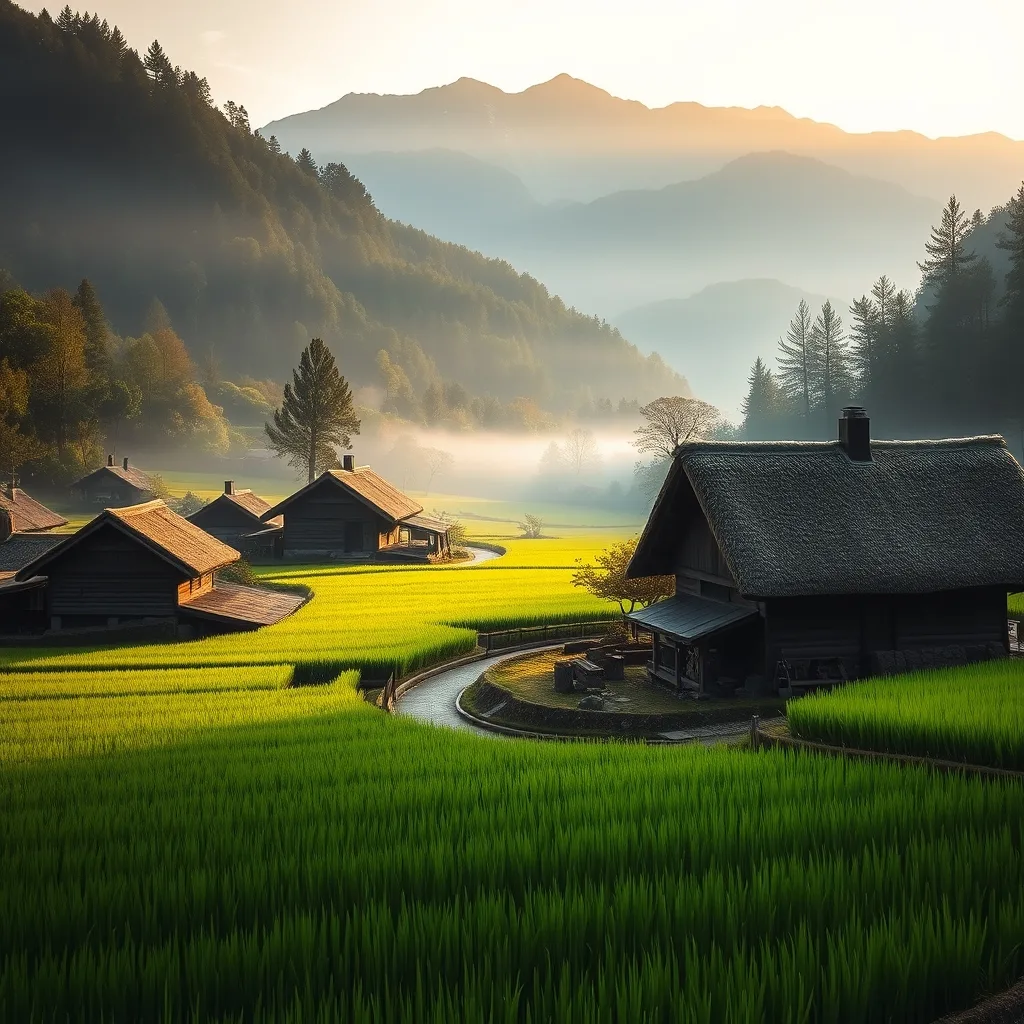
Two of our own guides call Kamakura the best day trip out of Tokyo, and a third warns it is a trap on a tight clock — both are right, and this is the article that finally does the day properly: the seaside town an hour south, its 13-metre bronze Buddha sitting in the open air, a snack street, a hillside temple over the bay, and a little green-and-cream tram — the Enoden — that threads between houses and then runs right beside the sea to Enoshima island. For a couple, it is the easiest romantic day in the Tokyo region, and the only major day trip you can honestly do in half a day.
The One Decision: Which Way Round the Loop
The day has one genuine choice, and it is not which temples to see — it is which direction to run the loop, because that decides your ticket, and it follows almost automatically from where you sleep in Tokyo.
Staying on the west side — Shinjuku, Shibuya, anywhere on the Yamanote's left edge? Enter and exit through Odakyu's Katase-Enoshima/Fujisawa side. Ride Odakyu out in the morning, take the Enoden east to the Buddha and Kamakura town, then ride it back west for the sunset and go home on Odakyu. This is the routing where the Enoshima-Kamakura Freepass earns its keep.
Staying on the east side — Tokyo Station, Ginza, Asakusa? Go out on the JR Yokosuka line straight into Kamakura Station (about an hour, direct), work westward along the Enoden all day, watch the sunset on Enoshima, then hop the Enoden to Fujisawa and take the JR Tokaido line home. No pass covers the JR legs, so you want the Enoden day ticket in the middle instead.
Either way the shape is the same — temples in the morning, town at midday, coast in the late afternoon — because the sunset only works at the western end. If you are still deciding which side of Tokyo to sleep on, our guide to where first-timers should stay in Tokyo walks through exactly this ward logic, and Kamakura is one of the reasons it matters.
Which Ticket: The Freepass Is Not Automatic
Here is the part every ranking guide gets vague about. There are three sensible ways to pay, and the right one depends on the loop direction above:
Ticket | Price (adult) | What it covers |
|---|---|---|
Enoshima-Kamakura Freepass (Odakyu) | ¥1,640 (≈₹985) | Odakyu Shinjuku↔Katase-Enoshima round trip + unlimited Enoden, 1 day |
¥800 (≈₹480) | Unlimited Enoden only, day of issue | |
IC card (Suica/PASMO) | pay per ride | Everything, at full fare |
Prices from the operators' pages, September 2026; approximate, verify on the day.
The trap: the Freepass does not cover JR, and JR is the fastest way into Kamakura. If any leg of your day runs on JR — say JR into Kamakura Station (≈¥950 from Tokyo Station, ≈¥1,040 from Shinjuku by IC), Enoden all day, Odakyu back to Shinjuku (≈¥650) — the Freepass duplicates the Enoden coverage while its outbound Odakyu half goes unused: you would be paying ¥1,640 for roughly ¥1,450 worth of trains. On that routing, buy the Noriorikun for the Enoden hopping and pay the JR and Odakyu legs by IC card.
The Freepass wins when you commit to the Odakyu side both ways — the Shinjuku couple's loop. One ticket from ¥1,640, bought in two minutes on the EMot online ticket site or at the Odakyu counter in Shinjuku, covers every train you will touch all day, and adds small discounts at sights along the line. If you want a guaranteed seat out in the morning, Odakyu's Romancecar limited express takes a surcharge of about ¥700 each way on top.
Holding a JR Pass? Both the Yokosuka and Shonan-Shinjuku lines into Kamakura are JR, so your pass already covers the way in and out — add the ¥800 Noriorikun and you are done. Whether that nationwide pass was worth buying at all is a separate question we run the numbers on in our JR Pass maths for Indian travellers.
Tip: Whichever ticket you pick, load a Suica or PASMO anyway. The Enoden's small stations are IC-friendly, and the odd vending machine, locker and bus will not take a pass of any kind.
The Hour-by-Hour Kamakura–Enoshima Loop
Times below assume the east-side (JR-first) routing on a winter day, when the early sunset compresses everything; from April to August you can shift the whole afternoon an hour or two later. We keep this exact day mapped as a ready-made Kamakura and Enoshima itinerary you can copy into your own plan and re-time around your dates.
07:30 — Out of Tokyo
Yokosuka line from Tokyo Station (about an hour, direct — the same line our 10-day Japan itinerary uses for this exact day), or Odakyu from Shinjuku to Fujisawa and the Enoden from there. Either way, aim to be in the Hase area before 09:00. Grab coffee and conbini breakfast before boarding; Kamakura's cafés mostly open at 10:00.
08:45 — Kotoku-in: the Great Buddha, before the crowds
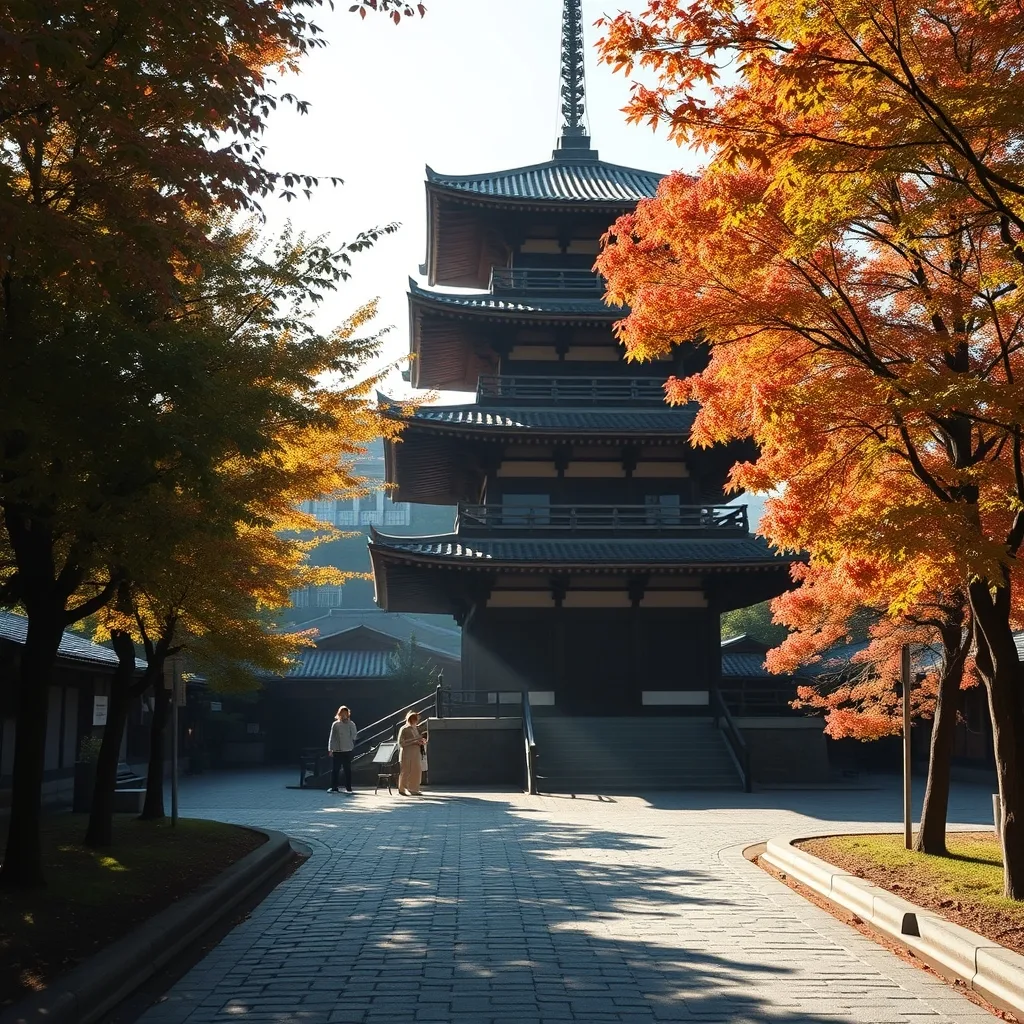
Three minutes on the Enoden from Kamakura Station to Hase, then a ten-minute signed walk. Kotoku-in opens at 08:00 year-round (¥300, ≈₹180), and the difference between 08:45 and 10:30 here is the difference between sharing a 750-year-old bronze colossus with a few joggers or with forty tour groups. The Buddha sits in the open air — the hall around it washed away centuries ago — and for an extra ¥50 you can duck inside the statue itself (until 16:30). Do that; it is the cheapest odd experience in Japan.
09:45 — Hase-dera: the terrace over the bay
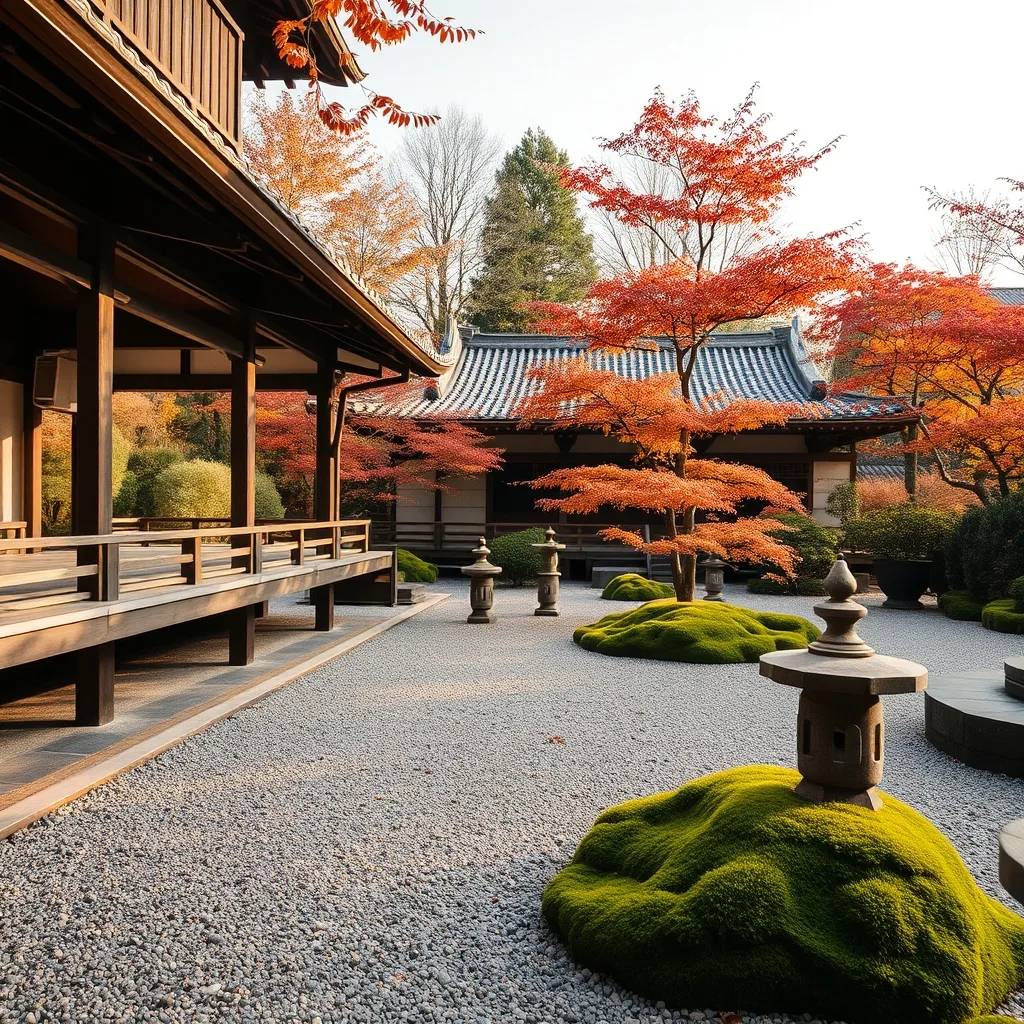
Five minutes' walk back toward the station, Hase-dera (¥400, ≈₹240; open from 08:00) climbs a hillside in stages — gardens at the bottom, a gilded eleven-headed Kannon in the main hall, and a terrace at the top with the morning's best view: Sagami Bay flat and silver below you. June visitors get the famous hydrangea path; everyone else gets it nearly empty.
11:00 — Enoden back to Kamakura, lunch on Komachi-dori
Ride the three minutes back to Kamakura Station. Komachi-dori, the snack street running from the station toward the great shrine, is the midday anchor: a few hundred metres of grills, soft-serve windows and craft shops. Eat your way down it — but vegetarians, read the shirasu warning below first.
13:00 — Tsurugaoka Hachimangu, or the bamboo garden
Komachi-dori ends near Tsurugaoka Hachimangu, Kamakura's great samurai-era shrine — the grounds are free and open long hours, and the raised approach down the middle of the town's main avenue tells you what this town was in 1200. Couples with an extra gear can instead take a ten-minute bus east to Hokoku-ji, where ¥400 (≈₹240) buys a small, perfect bamboo grove and ¥600 more a bowl of matcha at its edge — last tea orders 15:30, gates 16:00.
15:00 — The Enoden west: the ride that is the sight
Back at Kamakura Station, board the Enoden toward Fujisawa — in winter, by 15:00–15:15 (see the month-by-month cutoff below). This 25-minute ride is the most charming stretch of rail in the Tokyo region: the tram squeezes between house eaves, pops out at Inamuragasaki, and runs along the open sea, with surfers scattered across the grey-blue water and — on clear days — Fuji hanging over the far shore. Get off at Enoshima station.
15:45 — Cross to the island, ride the Escar up
A ten-minute walk brings you to the causeway bridge onto Enoshima itself. The island is a hill; the Enoshima Escar — three outdoor escalators, ¥500 — spares you the stairs, and the Sea Candle set ticket (¥1,100, ≈₹660) bundles the Escar, the Samuel Cocking Garden and the Sea Candle observation deck into one purchase. That deck is where you are aiming.
16:30 — Sunset
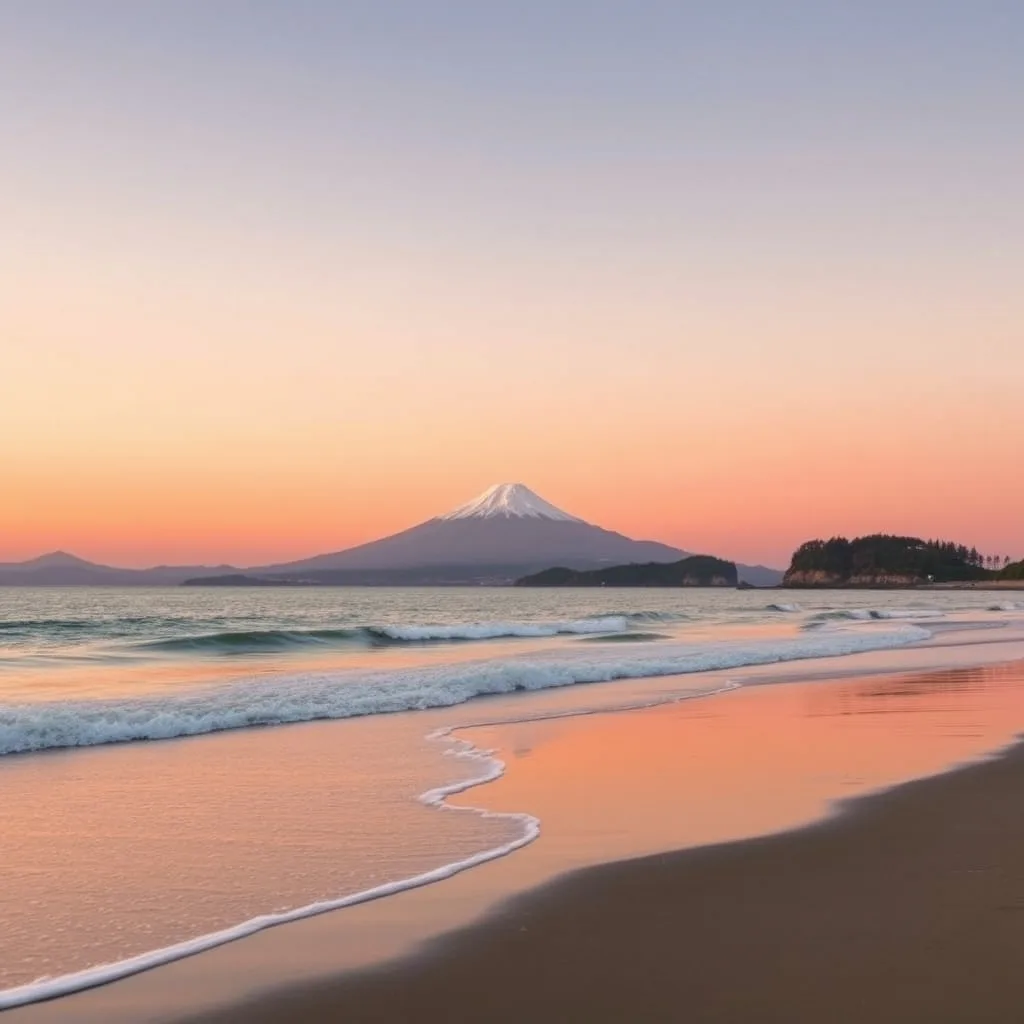
From the Sea Candle's open-air deck (or, if you prefer sea level, the Chigogafuchi rocks on the island's far side), the sun goes down over Sagami Bay — and on a dry winter evening Mount Fuji stands in black silhouette against the orange, which is the photograph of the whole trip. Be honest with yourselves about the season: Fuji shows most reliably from November to February and hides in summer haze, so in July treat any sighting as a bonus, not the plan — the same odds we give in our Hakone guide.
18:00 — Home
Walk back over the causeway. West-siders: Odakyu's Katase-Enoshima station faces the bridge — about 65 minutes to Shinjuku (covered by the Freepass; add ≈¥700 for a reserved Romancecar seat and doze). East-siders: ride the Enoden to its Fujisawa end, and the JR Tokaido line runs you back to Tokyo Station in about 50 minutes for roughly the same fare as the morning train out. Dinner back in the city — Kamakura itself goes quiet early.
The Enoden Cutoff: When to Leave Kamakura, Month by Month
The single number that decides whether this day ends with a sunset or a dark sea is when you board the Enoden out of Kamakura. Work back from sunset: 25 minutes on the tram, 10 to the causeway, 15 across and up, and 20 in hand to find your spot — call it 90 minutes before the sun goes down. Approximate sunsets for Kamakura (almanac figures; check your exact date):
November–January — sunset ≈16:30–16:50. Board by 15:00–15:15. Unforgiving, but the clearest Fuji of the year.
February–March — sunset ≈17:10–17:50. Board by 15:45 early on, 16:15 by late March.
April–May — sunset ≈18:10–18:45. Board by 16:45.
June–July — sunset ≈18:45–19:00. Board by 17:15; the gentlest clock of the year.
August–September — sunset ≈18:30 shrinking to ≈17:30. Board by 17:00, then 16:00 as September ends.
October — sunset ≈16:50–17:25. Board by 15:30.
The Enoden runs roughly every 14–16 minutes through the day, so "board by 15:00" really means "be on the platform at 14:50" — missing one tram costs you a quarter of your buffer.
Tip: Avoid Sundays and public holidays if you possibly can. The Enoden is a two-and-four-car tram serving one of Tokyo's favourite weekend coasts, and on a fine Sunday afternoon it boards like a rush-hour metro. A Tuesday version of this exact day feels twice as long and twice as romantic.
Only Have Half a Day? The Honest Cut
Our 5-day solo itinerary calls Kamakura one of the classic traps on a tight clock — a full loop eats a day you may not have. The reconciliation is the half-day version, and it is genuinely good: leave Tokyo after lunch, ride straight to Hase (skip Komachi-dori and the shrine entirely), do Kotoku-in and Hase-dera back-to-back in ninety minutes, then Enoden west for the sunset and home by 20:00. You keep the three best things — Buddha, bay terrace, orange sky — and drop only the strolling. In winter, start by 12:30; in summer, 14:30 works.
Which Day of Your Tokyo Stay to Give It
Give Kamakura a weekday, and if your trip spans both, give it the clearer-skied one — this is the day trip most dependent on weather doing you a favour at 16:30. On a classic first-timer route it slots naturally as the breather after two dense city days: day 3 or 4 of the Tokyo block in our 3-day Tokyo itinerary for couples, or the built-in day trip of our 10-day route. And if you are weighing it against the region's other famous escape — Hakone is the bigger spectacle (ropeway, volcanic valley, pirate ship) and the bigger spend, while Kamakura is cheaper, gentler, coastal and half-day-able; the Mount Fuji day trip is the one to pick only when seeing the mountain up close is the point. Doing two of the three on one trip is common; doing all three is a sign you should be sleeping outside Tokyo instead.
Eating Vegetarian: The Shirasu Warning
Kamakura's local specialty is shirasu — whitebait, tiny juvenile fish eaten whole — and it is everywhere on Komachi-dori: rice bowls, toast and even soft-serve get the shirasu treatment. None of it is vegetarian, so know the word and scan for しらす before you point at anything. The dashi caution from our vegetarian guide to Tokyo applies to the soba shops here too — the broth is almost always fish stock.
What a vegetarian couple can happily graze on, verified against the street's own shopping-association listings:
Imoyoshi Yakata — Kamakura's purple sweet-potato speciality shop; the murasaki-imo soft serve (≈¥550) is the street's most photographed veg-safe snack.
Komachi Chaya — a small dessert house inside the i-ZA arcade doing warabimochi and shaved ice.
Dango and senbei stalls — grilled rice, soy glaze; check nothing fishy has been brushed on, but these are the street's traditional safe bets, alongside matcha everything.
For a proper meal, do what locals do: snack here, eat dinner back in Tokyo, where the dedicated veg restaurants are.
What the Day Costs in ₹
For one person, at ¥1 ≈ ₹0.60 (September 2026 — approximate, varies with forex and fares):
Trains — Freepass loop from Shinjuku: ¥1,640 (≈₹985); JR-side loop: ≈¥2,700 (≈₹1,620)
Entries (Kotoku-in ¥350 with the interior, Hase-dera ¥400, Sea Candle set ¥1,100): ¥1,850 (≈₹1,110)
Komachi-dori lunch and snacks: ≈¥1,500–2,500 (≈₹900–1,500)
Call it ≈¥5,000–7,100 all-in, or ₹3,000–4,250 per person depending on routing and appetite — roughly half of what the same couple spends on a Hakone day, which is exactly why this is the day trip we recommend when the budget spreadsheet is getting tense.
FAQ
Can you really do Kamakura and Enoshima in one day? Comfortably, if you run them as one westward loop rather than two separate trips — temples in the morning, town at midday, island at sunset. Doing them as an out-and-back from Kamakura instead adds an hour of backtracking and usually costs you the sunset.
Is the Enoshima-Kamakura Freepass worth it? Only on the all-Odakyu routing from Shinjuku. If any leg of your day is on JR — and the fastest way into Kamakura is JR — the pass loses to paying piecemeal with a ¥800 Noriorikun in the middle. Run your own version of the maths in the ticket section above.
Does the JR Pass cover this trip? The JR legs, yes — Yokosuka and Shonan-Shinjuku lines into Kamakura, Tokaido line back from Fujisawa. The Enoden and Odakyu are private lines and are not covered.
Will we see Mount Fuji from Enoshima? On dry winter days, very likely, and the sunset silhouette is spectacular; from May to September, haze hides it more often than not. Plan the day so it is lovely regardless — the Enoden ride and the island do not need Fuji.
Kamakura or Hakone — which day trip should we pick? Kamakura for coast, temples, food and budget; Hakone for mountain spectacle and an onsen. Kamakura is also the only one that works as a half day. If you can spare two days out of Tokyo, do both — they overlap almost nowhere.
Is the day stroller- and parent-friendly? Mostly. The Enoden and the temples are easy; Enoshima's stairs are the obstacle, and the Escar escalators only go up. With a stroller or grandparents, do the island first while everyone is fresh, or settle for the mainland beach sunset at Katase.
Do we need to book anything in advance? No — this is the rare Japan day with zero reservations. The Freepass can be bought the same morning (or online on EMot), and everything else is walk-up. That makes Kamakura the perfect flex day to slot around the bookings that are date-locked.
Turn the Kamakura Day Into a Full Japan Plan
A great day trip is one line in a bigger answer: how many Tokyo nights, which day for Kamakura, what the whole two weeks costs in ₹. Put your dates into NextDestination's free planner and build your custom Japan travel itinerary — it drafts the day-by-day route with Kamakura slotted where the weather and your energy want it, and exports the dated PDF your family group chat keeps asking for.