Half a day in Nara is enough for the two things your kids will remember — feeding the bowing deer and standing under the 15-metre Great Buddha — and the whole day costs a family of four roughly ₹7,000–8,000 from Osaka, trains, temple and lunch included. Stretch it to a full day only if you want Kasuga Taisha's lantern-lined forest paths and the old Naramachi lanes too. This guide gives you the exact trains from both base cities with ₹ fares, an hour-by-hour plan paced for children who nap and melt down, the deer-safety rules the generic guides skip, and a vegetarian lunch you don't have to gamble on.
(₹ figures throughout are approximate, converted at ¥100 ≈ ₹59 in August 2026, and vary with the exchange rate and season.)
Kyoto or Osaka: Which Base Wins the Nara Day Trip?
From Osaka, take the Kintetsu line from Namba. From Kyoto, both JR and Kintetsu work — JR is cheaper, Kintetsu's limited express is faster and lands you closer to the deer. Nara sits between the two cities, so this day trip slots into either base without changing hotels.
From | Best train | Time | Fare (approx.) |
|---|---|---|---|
Osaka-Namba | Kintetsu rapid express | ~35–40 min | ¥680 (≈ ₹400) |
Osaka-Tennoji | JR Yamatoji rapid | ~33 min | ¥510 (≈ ₹300) |
Kyoto | JR Miyakoji rapid | ~45–47 min | ¥720 (≈ ₹425) |
Kyoto | Kintetsu limited express | ~35 min | ¥1,280 (≈ ₹755) |
Fares are the current operator prices as of August 2026 (Kintetsu's last revision was April 2023, JR West's April 2025); children aged 6–11 pay roughly half on both networks, and under-6s ride free with a paying adult. ICOCA and Suica cards work on every route above.
The detail that decides it: Nara has two stations, and they are not equal. Kintetsu-Nara station is an 8-minute walk from the edge of the park and about 20 minutes from Todai-ji's Great Buddha Hall. JR Nara station is a further 10–12 minutes back — with tired five-year-olds on the return leg, that gap matters more than the fare difference.
If your base is Osaka
Ride the Kintetsu Nara Line from Osaka-Namba — rapid express and express trains run roughly every 10 minutes through the day, no reservations, no surcharge. This is the day trip we slot into Day 6 of our 7-day Japan itinerary for Indian families, and it pairs perfectly with a USJ day either side — see the full Osaka itinerary with kids and Universal Studios for the rest of the week. (From Osaka or Umeda station on the JR side, the direct Yamatoji rapid takes about 50 minutes, ≈ ¥840/₹495 — Namba or Tennoji are the better starting points.)
If your base is Kyoto
The JR Miyakoji rapid from Kyoto Station runs about twice an hour and is covered by the Japan Rail Pass if you happen to hold one — though for most families the pass doesn't pay for itself on a Kansai trip. The Kintetsu alternative (¥760 express, or ¥1,280 limited express with reserved seats — worth it with a toddler) leaves from the same station complex and arrives closer to the park. Nara is the natural fourth-day extension to our 3-day Kyoto itinerary.
Tip: The Kintetsu route to Nara is a private railway — no JR Pass or JR area pass covers it. Don't buy a pass for this day; the point-to-point fares above are small enough that passes rarely make sense.
The Hour-by-Hour Plan (Paced for Kids)
The one rule: do Todai-ji before 10:30, when the tour coaches arrive. Everything else in Nara is open lawns and flexible.
08:15 — Leave your hotel. From Namba or Kyoto, aim for a train around 08:30.
09:15 — Arrive Kintetsu-Nara. Grab water and snacks at the station konbini and keep them zipped inside your bag — more on the deer below.
09:30 — Walk into the park. The deer start appearing within ten minutes of the station. Resist the first cluster; the lawns near Todai-ji's approach are calmer and the same crackers work there.
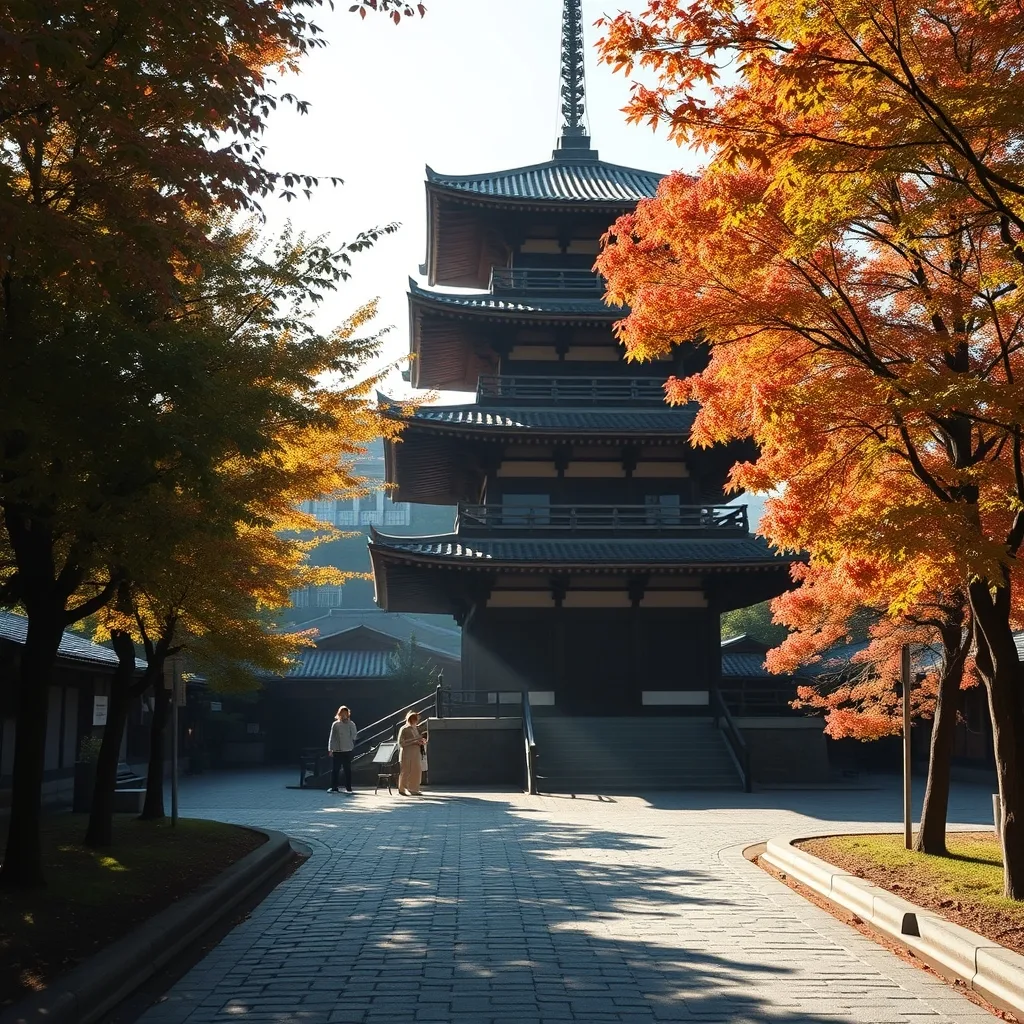
10:00 — Todai-ji's Daibutsuden (Great Buddha Hall). ¥800 per adult, ¥400 for children 6–12; per the temple's own hours page, it opens 07:30 April–October and 08:00 November–March. The 15-metre bronze Buddha genuinely lands with children — it is the one temple on a Kansai trip that needs no persuading.
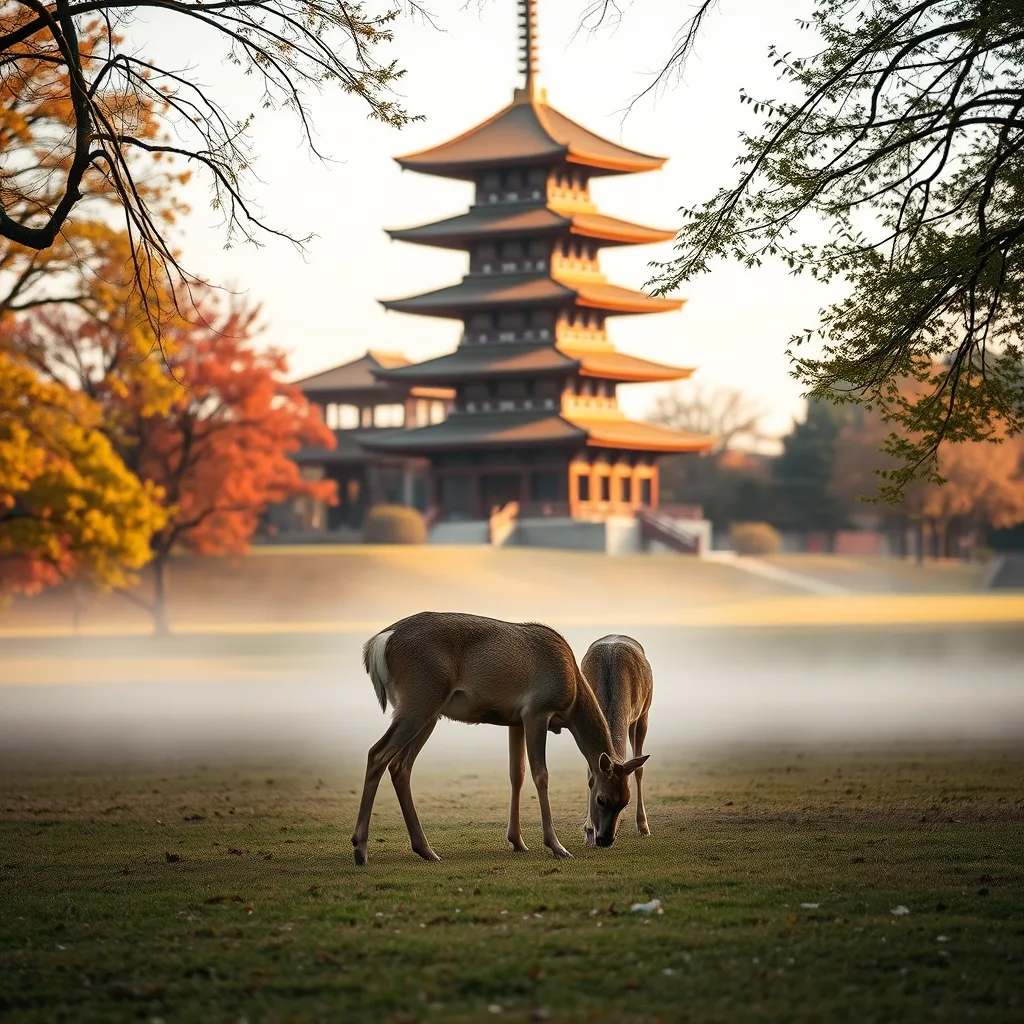
11:00 — Deer-feeding session on the lawns between Todai-ji and the Nandaimon gate, where the classic bowing photos happen. Budget two or three ¥200 cracker bundles.
11:45 — Nigatsu-do. A 10-minute uphill walk behind Todai-ji, free to enter, with a wooden veranda looking over the whole city — the best rest stop in the park, and almost no crowds.
12:30 — Lunch back near the stations (the vegetarian section below has three specific answers).
14:00 — Choose your afternoon: the lantern-lined approach to Kasuga Taisha through the forest (grounds free; the inner corridor is ¥700, as of 2026, if you want a closer look), or the Naramachi lanes and the Higashimuki arcade, where Nakatanidou — famous for its high-speed mochi-pounding performances — sells fresh yomogi mochi for about ¥130 (≈ ₹80) a piece.
15:30–16:00 — Train back. You're at your hotel before the evening meltdown window, with the whole evening free.
The half-day version: cut everything after lunch and you're back in Osaka or Kyoto by 14:00 having seen the two headline sights. The main park paths and temple approaches are paved, so a stroller works — use it as a buffer between small children and over-friendly deer.
Feeding the Deer Without Tears: the Safety Rules
Nara's deer are the reason your kids will rank this day over Disneyland, and they are also wild animals — about 1,700 of them roam the park as of the 2026 count, and Nara Prefecture recorded 159 deer-related visitor injuries in FY2024, a rising count that tracks record visitor and deer numbers. None of this should put you off; all of it should change how you hand over a cracker.
The rules, straight from the Deer Preservation Foundation's own guidance (Japanese, but the pictograms are universal) and the official Nara visitor advice in English:
Buy the crackers, hide the crackers
Shika senbei (deer crackers) cost ¥200 for a bundle of ten (≈ ₹120, unchanged since 2019) from vendors throughout the park — they're the only thing you're allowed to feed the deer. The deer know exactly what the bundles look like. Keep them zipped away until the moment you're ready, and buy them away from a waiting crowd of deer, not in the middle of one.
One adult, one child, one cracker
Don't let a toddler hold the full bundle — a deer will go for it, and a startled deer and a startled three-year-old are a bad combination. Hand over one cracker at a time, hold it out flat and low, and let the deer take it. When the crackers are gone, show the deer your open, empty palms — they understand the gesture and move on. Never tease by showing a cracker and pulling it back; the Foundation specifically warns this is what triggers butting.
Know the season you're visiting in
Two windows need extra care: September–November is rutting season, when male deer are at their most aggressive (the Foundation was already posting warnings in late August 2026), and May–early July is fawning season, when mothers can lash out to protect their young. In both windows, admire the deer with antlers or fawns from a distance and feed the placid ones on the open lawns instead.
Deer eat paper — really
The official Nara tourism guidance warns that deer will grab plastic bags, maps and pamphlets straight out of your hands. Don't walk through the park with an open snack, an ice cream, or the paper map from the station — and wash everyone's hands after touching the deer, which is the Foundation's own advice.
A Veg Lunch You Don't Have to Gamble On
Nara's tourist strips are heavy on beef and ramen, but a vegetarian Indian family has three genuinely good answers within ten minutes of the stations:
Indian Restaurant MANNA (Sanjo-dori, ~7 minutes from either station) — proper naan-and-curry Indian food with several vegetarian options and lunch sets from about ¥700 (≈ ₹415). One honest caveat: the kitchen also cooks meat dishes, so families who need strict separation should say so — staff are used to the request.
Kinatei (~7 minutes from JR Nara station) — a fully vegetarian kitchen, no meat or fish anywhere in the building, run by an owner who has been vegetarian for fifty years. It's a daily set menu rather than à la carte, lunch only, and closed Mondays — the purist's choice if your day trip lands Tuesday–Sunday.
Wakakusa Curry Hompo (Mochiidono arcade,
7–10 minutes from Kintetsu-Nara) — Japanese-style curry with three dedicated vegan curries (¥1,200/₹710) and vegan soft-serve for the kids. Open seven days, which makes it the backup that can't fail your schedule.
Check HappyCow's Nara listings for anything newer before you go, and remember the deer rule: no open food anywhere near the park — eat at the restaurant, not on a park bench. For the rest of the trip's food planning, our vegetarian food guide for Kyoto and Osaka covers both base cities in the same detail.
Is Nara Worth a Full Day — or Should You Add a Night Somewhere Instead?
For a family with children under 10, Nara is the highest-value day trip in Kansai — but it's a day trip, not an overnight. The park, the Buddha and lunch fit comfortably between 09:00 and 15:30; an evening in Nara adds little for kids, while that fourth night in Osaka buys you a slower USJ morning or a recovery evening.
If your children are older — or you're travelling as a couple — there's a smarter upgrade than more Nara hours: stop at Uji on the way from Kyoto. It's on the same JR line, it's Japan's matcha heartland, and half a day in Uji plus half a day in Nara beats a full day in either. We've laid that exact route out, with timings, in this Uji matcha morning and Nara afternoon day trip from Kyoto — and it's how Day 8 works in our 10-day Japan itinerary for first-timers.
FAQ
Is half a day enough for Nara? Yes — the deer park and Todai-ji, the two sights that justify the trip, fit in about five hours door to door. A full day adds Kasuga Taisha's forest approach, Nigatsu-do's free city view and the Naramachi lanes, at a pace that suits napping children.
Nara from Kyoto or from Osaka — which is better? Whichever city you're already sleeping in; don't change hotels for Nara. From Osaka, Kintetsu from Namba (~35–40 min, ¥680) is the clear pick. From Kyoto, JR's Miyakoji rapid (~45–47 min, ¥720) is cheapest, and Kintetsu's limited express (~35 min, ¥1,280) is fastest and arrives closest to the park.
Can toddlers feed the deer safely? With an adult running the exchange, yes. Hand over one cracker at a time rather than the bundle, keep the stroller between your child and any pushy deer, avoid the antlered males in the September–November rut, and show empty palms when you're done. The Deer Preservation Foundation's guidance ties almost every incident to how food is shown, withheld or teased.
How much does the day cost for a family of four from India? Roughly ₹7,000–8,000 from Osaka: about ₹2,400 in return trains (2 adults + 2 children from Namba), ₹1,400 in Todai-ji tickets, ₹350–400 of deer crackers and mochi, and ₹2,500–3,500 for lunch and snacks. From Kyoto add a few hundred rupees of train fare. All figures approximate — see the disclaimer up top.
Is Nara Park stroller-friendly? The main routes are — station to park to Todai-ji is paved the whole way, and the Daibutsuden approach is flat. The climb to Nigatsu-do involves steps and slopes, so park the stroller below or take turns.
Do we need to book anything in advance? Nothing. Todai-ji tickets are bought at the gate, the trains are unreserved (except the optional Kintetsu limited express, bookable on the day), and the deer don't take reservations.
Build Your Kansai Days Around Nara
Nara is one day of a Kansai trip that has to fit around a fixed USJ date, a Kyoto temple morning your kids will tolerate, and the flight home from KIX. Drop this plan into a full week with our customisable Japan itinerary planner — set your dates and party, slot Nara against the right base city, and download a day-by-day PDF you can hand to grandparents or submit with a visa application.