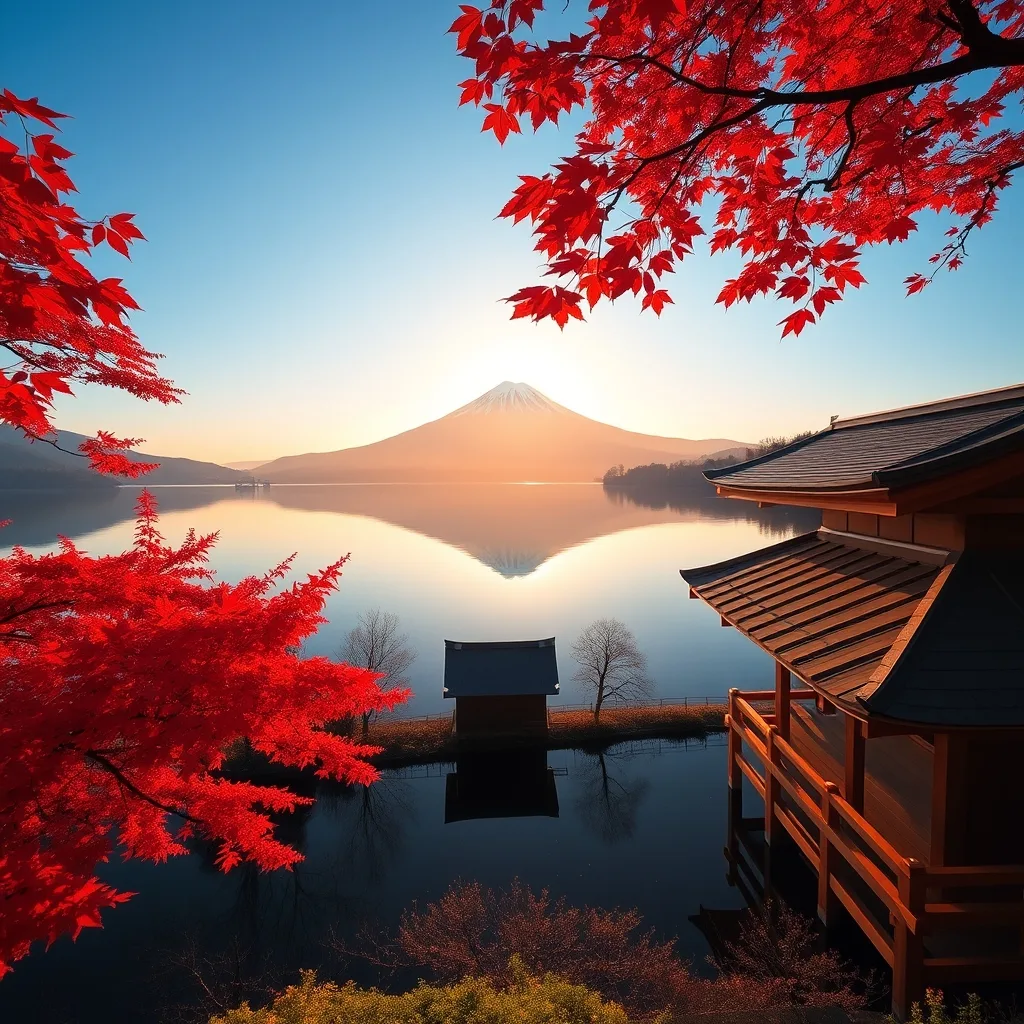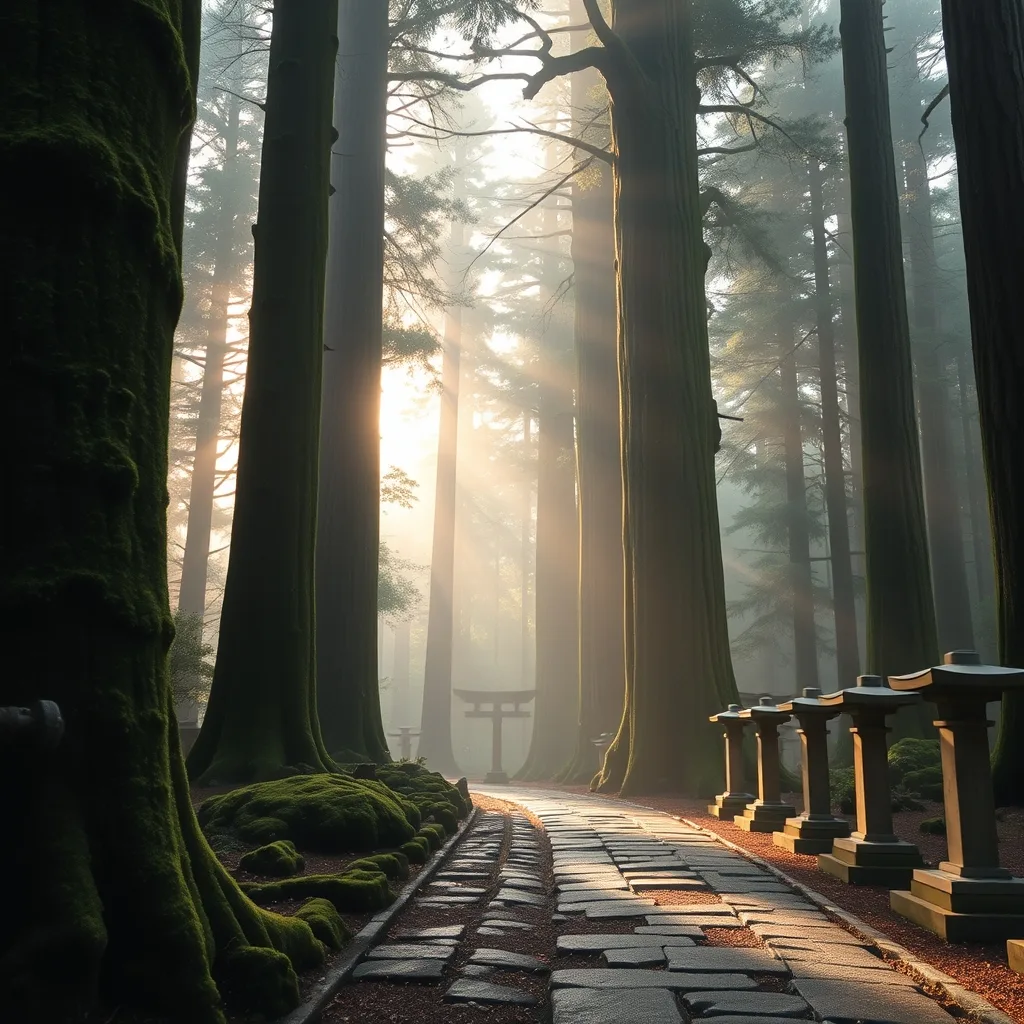
Book your Koyasan temple stay (shukubo) at least 3 to 6 months ahead via the official Koyasan Shukubo Association booking portal or directly with English-friendly temples like Eko-in, where half-board stays start from ≈¥15,000–¥21,000 (≈₹9,000–₹12,600) per person including two full shojin ryori Buddhist vegetarian meals. For Indian vegetarian and Jain couples, this single overnight in Wakayama Prefecture's sacred mountain basin is the most stress-free culinary night in Japan: unlike city restaurants where hidden fish stock (dashi) is a constant hazard, Buddhist monastic cuisine is vegetarian by religious precept—and Eko-in's kitchen explicitly excludes meat, fish, eggs, dairy, onion, and garlic.
Yet a shukubo is not a regular hotel. Dinner is served in your room at a fixed early hour (typically 17:30), afternoon meditation starts at 16:30, and morning chanting (otsutome) begins at 07:00. You cannot treat Mount Koya as a casual late-evening check-in. Below is the exact booking flow, the per-person half-board pricing math in ₹, the verified dietary and allergy rules, and how to splice one Koyasan night into your Kansai itinerary without breaking your Osaka or Kyoto hotel rhythm.
(Note: All yen and rupee figures below are approximate as of late 2026 using ¥1 ≈ ₹0.60; rates vary by season, room tier, and exchange window.)
Why a Koyasan Shukubo Is the Ultimate Night for Vegetarian & Jain Couples
If you have read our vegetarian survival guide to Japan, you already know the biggest hurdle for Indian travellers: bonito (katsuobushi) and kelp-and-fish broth hide inside almost every bowl of udon, miso soup, and tempura dip. Even in Kyoto and Osaka, dining out requires translation cards, apps like HappyCow, or hunting down dedicated vegan spots.
Mount Koya (Koyasan) flips that dynamic completely. Founded in 816 CE by Kobo Daishi as the headquarters of Shingon Esoteric Buddhism, the mountain town hosts around 50 active temple lodgings (the official Koyasan Shukubo Association lists 51 member temples). Every overnight stay includes shojin ryori—traditional monastic banquet cuisine served on lacquerware trays right inside your tatami room.
The Verified Jain & Pure-Veg Advantage at Eko-in
For Indian couples who keep a strict pure-vegetarian, vegan, or Swaminarayan/Jain diet (avoiding root and pungent vegetables known in East Asian Buddhism as gokun—the five pungent roots), Eko-in Temple's official cuisine policy states the rule in plain English:
"Basically, the meals we serve to the guests are Syoujin-Ryouri (Buddhist vegetarian cuisine), excluding any meat, fish, eggs, dairy, onion and garlic for dinner and breakfast."
That single sentence resolves the five hardest constraints for an Indian vegetarian traveller in one meal:
No meat or poultry broth.
No fish flakes or katsuobushi stock (kelp and shiitake mushrooms provide the umami).
No eggs (unlike Western hotel breakfasts or Japanese bakery pastries).
No dairy (100% plant-based, relying on sesame tofu—goma-dofu—and soy milk skin—yuba).
No onion and no garlic—matching the traditional Jain and Sattvic avoidance of pungent bulbs.
Tip: Ask at booking if you pick another temple. While orthodox shojin ryori excludes animal products and pungent roots by monastic tradition, Eko-in is the temple where we have verified the explicit no-meat, no-fish, no-egg, no-dairy, no-onion, no-garlic policy in writing on the operator's own English documentation. A handful of other temple kitchens on the mountain are occasionally reported by travellers to use standard commercial dashi in side dishes for general tour groups—so if you book a temple other than Eko-in, select the explicit Vegetarian / Shojin Plan at checkout and confirm "no fish dashi, no onion/garlic" in the reservation remarks.
The Allergy & Gluten-Free Protocol (7-Day Rule)
If one partner has a clinical food allergy or requires a gluten-free menu, Eko-in is also one of the few traditional lodgings in Japan with a published, structured policy (ekoin.jp/en/cuisine/#allergy):
Advance notice deadline: You must contact the temple at least 1 week in advance so ingredients can be sourced separately. Requests made less than 7 days before arrival may be declined.
Gluten-free tier: Eko-in offers a dedicated gluten-free shojin ryori menu (using gluten-free soy sauce alternatives) for guests with wheat allergies or celiac disease.
Soy allergy caveat: Because miso and soy sauce form the foundation of Buddhist temple cooking, guests with a soy allergy will receive a very simple, plain-seasoned meal.
Medical allergies vs preferences: The kitchen accommodates diagnosed medical allergies only, not personal dislikes—and because all meals are prepared in a single shared temple kitchen, cross-contamination cannot be 100% ruled out for severe anaphylactic cases (who are advised to bring their own safe food).
What a Temple Stay Actually Looks Like: The Fixed 24-Hour Timetable
A shukubo is a working monastery first and a guest house second. The entire experience hangs on four fixed timestamps between mid-afternoon and breakfast the next morning. If you arrive at 20:00 like you would at a business hotel in Namba, you will miss your dinner and half of what you paid for.
14:00 to 16:00 — Check-In & Mountain Arrival
Check-in at Eko-in opens at 14:00 (with a strict final check-in cutoff at 19:00, and 17:00 if you want dinner on time). Plan to board your Nankai train at Osaka-Namba no later than 12:30–13:00 so you clear the cable car and local bus by 15:30. Upon arrival, young monks show you to your tatami room (or Japanese-Western bed room), point out the communal cypress spring baths (open 15:00–24:00 and 06:00–09:00), and confirm your dinner time.
16:30 — Ajikan Esoteric Meditation
At 16:30, Eko-in hosts a 40-minute guided session of Ajikan—the breathing and syllable-visualisation meditation core to Shingon Buddhism—inside the temple's dedicated Ajikan Dojo (ekoin.jp/en/experience/). It is free for overnight guests (day visitors pay ¥2,000 and must book ahead; preschool-age children are not permitted). You can also request a brush-and-ink kit at check-in to practice Shakyou (copying the Heart Sutra) quietly at your room's low table.
17:30 — In-Room Shojin Ryori Dinner
Dinner is brought directly to your room at 17:30 (groups of four or more dine in a private hall). Over 10 to 12 small bowls, you taste Koyasan specialties: creamy goma-dofu (sesame curd whisked with mountain spring water and served with wasabi), crispy vegetable tempura, simmered koya-dofu (freeze-dried sponge tofu), pickled mountain vegetables, and hot rice with clear soup. While you eat, staff lay out your plush futon bedding in the adjoining room or after clearing the trays.
19:15 — The Okunoin Cemetery Night Walk (Optional)
Eko-in sits a two-minute walk from the entrance to Okunoin, Japan's most sacred forest cemetery where 200,000 moss-draped stone stupas and centuries-old cedar trees lead to Kobo Daishi's mausoleum, lit at night by thousands of stone lanterns. Note an important booking detail from Eko-in's FAQ: the guided English Okunoin Night Tour (operated by Awesome Tours, meeting in Eko-in's yard) is NOT automatically included in your room booking—you must reserve it separately in advance, especially between March and November when slots sell out. Even without a paid tour, there is no night curfew at Eko-in, so couples can walk the lantern-lit 2 km flagstone path to Torodo (the Hall of Lanterns) on their own.
07:00 & 07:30 — Morning Chanting (Gongyou) & Goma Fire Ritual
Wake up by 06:30. At 07:00, overnight guests gather in the main hall for the morning religious service (Gongyou), listening to the resonant sutra chanting of the monks amidst incense smoke and golden altar ornaments. Immediately following at 07:30 in the adjacent Bishamondo hall is the Goma Fire Ritual, where cedar prayer sticks are burned in a towering consecrated flame to consume earthly obstacles while drums beat across the wooden floor. Both ceremonies are free and included for overnight guests.
08:00 to 10:00 — Breakfast & Check-Out
Warm Buddhist vegetarian breakfast (steamed rice, miso soup, tofu pot, seasoned seaweed, and pickles) is served in your room around 08:00 after the fire ritual. Check-out is at 10:00, leaving you the full morning to visit Kongobuji Temple (famous for the Banryutei rock garden) and the vermilion Konpon Daito pagoda at the Danjo Garan complex before descending to Osaka.
How Much Does a Koyasan Temple Stay Cost in Rupees? (2026 Breakdown)
First-time Indian visitors are often startled when they search Koyasan room rates and see ₹18,000 to ₹30,000+ per night. The key is understanding Japanese ryokan and shukubo pricing: unlike city hotels in Tokyo or Osaka that price per room, room-only, temple lodgings price per person, half-board (1 night + multi-course shojin dinner + breakfast + morning rituals).
When you subtract two restaurant-grade multi-course meals per person (Eko-in's standalone Take and Matsu lunches alone cost ¥5,800–¥7,800 / ≈₹3,500–₹4,700 per head), the room itself is comparable to a mid-range city hotel.
Expense Item (For a Couple) | Price in Yen (¥) | Approx. Cost in INR (₹) | What Is Included |
|---|---|---|---|
Standard Shukubo Room (shared bath/toilet) | ≈¥30,000–¥42,000 / couple (¥15k–¥21k pp) | ≈₹18,000–₹25,200 | 1 night tatami room, 2 dinners, 2 breakfasts, communal bath, morning prayers |
Superior / Deluxe Room (private bath/beds) | ≈¥52,000–¥80,000 / couple (¥26k–¥40k pp) | ≈₹31,200–₹48,000 | Upgraded room with en-suite toilet/bath or twin beds, upgraded shojin courses |
Nankai Koyasan World Heritage Ticket (×2) | ≈¥7,960–¥8,420 / couple (¥3,980–¥4,210 pp) | ≈₹4,800–₹5,050 | Round-trip Namba↔Koyasan rail + cable car + 2-day unlimited mountain bus pass |
Luggage Forwarding (2 bags Osaka→Osaka/Kyoto) | ≈¥4,400–¥5,000 (2 suitcases) | ≈₹2,650–₹3,000 | Travel up the mountain with just a 1-night backpack |
Total 2-Day / 1-Night Couple Budget | ≈¥42,360–¥95,420 | ≈₹25,450–₹57,250 | Complete 24-hour mountain retreat for two (approximate; varies by season & room) |
How to Book Your Shukubo Step-by-Step (Without Getting Stuck)
With only ~50 temples on the mountain and tiny room inventories (many temples have only 10 to 25 guest rooms), autumn foliage (late October to mid-November) and spring cherry blossom dates sell out months ahead. Use these three verified channels in order:
1. The Official Koyasan Shukubo Association Site (Best All-in-One)
Start at koyasan-shukubo.net/en/, the official English reservation system run by the Koyasan Shukubo Association across its 51 UNESCO World Heritage member temples.
Why use it: It lets you filter across dozens of temples that do not maintain their own English websites (including Saizen-in, Soji-in, Joki-in, Fugen-in, Sainan-in, and Rengejo-in).
Instant vs Request Booking: Some plans confirm immediately with a credit card; smaller traditional temples use a request-confirmation flow where the association confirms availability within a couple of working days.
Dietary selection: Always pick a plan that explicitly states 2 meals included (Shojin Ryori / Vegetarian) and note any Jain/allergy requirements in the booking form.
2. Direct Temple Booking (Best for Eko-in & 11-Month Lead Time)
If Eko-in is your first choice—for its English-speaking staff, two-minute walk to Okunoin, afternoon Ajikan meditation, Goma fire ritual, and written no-onion-no-garlic policy—check ekoin.jp/en/shukubo/ directly.
When bookings open: Per Eko-in's official FAQ, reservations open 11 months in advance on the 1st of each month on their official website (long before third-party OTAs receive leftover allocation).
Payment: Eko-in accepts major international credit cards (Visa, Mastercard, JCB, AMEX).
3. Major OTAs (Backup Only for English Cancellation Management)
A subset of larger temples (including Eko-in, Soji-in, and Fukuchi-in—the only shukubo on the mountain with a natural mineral onsen hot spring bath) also list rooms on Booking.com, Agoda, and Rakuten Travel around 3 to 6 months out. Rates are frequently 10–15% higher than booking direct or via the Association portal, so use OTAs only if your preferred date shows sold out on the direct engine.
Getting to Koyasan from Osaka: The Nankai Train + Cable Car Flow
Do not try to reach Koyasan from Kyoto in the late afternoon, and do not bring 28-inch hard-shell suitcases up the mountain. The cleanest gateway is Nankai Namba Station in southern Osaka (or Shin-Imamiya Station if you are transferring off the JR Osaka Loop Line).
Step-by-Step Transit from Nankai Namba (≈90–110 Minutes)
Nankai Koya Line (Namba → Gokurakubashi): Board either the direct Limited Express Koya (all-reserved seating, ≈80 minutes to Gokurakubashi; requires a limited express seat surcharge of ≈¥790–¥1,100 one-way) or a Rapid Express / Express train (no surcharge, ≈90–100 minutes, sometimes requiring a quick cross-platform change at Hashimoto Station).
Nankai Koyasan Cable Car (Gokurakubashi → Koyasan Station): At Gokurakubashi in the forested valley, walk straight across the station concourse onto the steep funicular cable car. It climbs 330 vertical metres up the mountainside in 5 minutes—timed to meet every arriving train. (Note: the cable car operates normally year-round; Nankai occasionally runs brief 2–3 day winter maintenance checks in late December with substitute buses, so glance at Nankai's English portal before departure).
Nankai Rinkan Bus (Koyasan Station → Your Temple): Outside Koyasan Station, dedicated buses wait at the plaza to take guests into the town basin. You are not allowed to walk the steep winding road between Koyasan Station and the town entry gate. For Eko-in, ride the bus bound for Okunoin and get off at Karukaya-do-mae (Karukaya-mae) Bus Stop—about 15 minutes on the bus, then a 2-minute flat walk to the temple gate.
Does the Koyasan World Heritage Ticket Save Money?
Yes, for almost every overnight visitor. Nankai Electric Railway sells the Koyasan World Heritage Ticket (available as a physical pass at Nankai Namba's 2F service counter or as a digital ticket) for ≈¥3,980 (digital) to ¥4,210 (paper) per adult (≈₹2,400–₹2,530; approximate, varies by departure station and sales channel). It bundles:
Round-trip Nankai rail fare from Osaka (Namba / Shin-Imamiya / Tengachaya) to Gokurakubashi.
Round-trip Koyasan Cable Car fare.
2 days of unlimited rides on all Nankai Rinkan buses across the mountaintop (which otherwise cost ¥300–¥500 per hop between Okunoin, Kongobuji, and Daimon Gate).
10–20% admission discounts at major sights including Kongobuji Temple, Koyasan Reihokan Museum, and the Konpon Daito Pagoda.
Route Surgery: How to Fit Koyasan Into a 10-Day Japan Itinerary
Because a shukubo demands arrival by 15:30–16:00 and keeps you on the mountain until 11:00 the next morning, it consumes one night and two half-days. Trying to visit Koyasan as a rushed day trip from Osaka means missing the shojin ryori dinner, missing the lantern-lit night walk through Okunoin, and missing the 07:00 morning chanting and fire ritual—which are the entire reason to climb the mountain.
Here is how to splice the overnight cleanly into our standard 10-day Japan first-timer route or our 6-day Osaka, Kyoto & Nara itinerary:
Trade one Osaka night (or your Nara day trip) for Koyasan: If you are basing in Osaka—use our curated 4-day Osaka itinerary as your Kansai anchor—carve out Night 3 for Mount Koya. If your schedule is tight, compare whether you would rather spend that day on our Nara deer park & Todai-ji day trip or sleeping in a 1,200-year-old monastery.
Use the hotel-sandwich luggage trick: Do not drag large suitcases onto the Koyasan cable car and Rinkan bus. Either leave your main bags at your Osaka hotel storage room for one night (if returning to the same Namba hotel before flying out of Kansai International Airport), or send them from Kyoto straight to your final Osaka hotel via takkyubin using our Japan luggage forwarding timing guide, and climb Koyasan with a single overnight backpack.
Stock up on city veg meals before and after: Once you descend back into Namba on Day 2 around 13:30, pair your afternoon with our Kyoto & Osaka vegetarian food guide for vegan ramen and okonomiyaki around Dotonbori.
Frequently Asked Questions (FAQ)
Is shojin ryori at Koyasan suitable for Jain travellers from India?
Yes—at verified temples like Eko-in, it is naturally Jain-friendly regarding onion, garlic, and animal products. Eko-in's official cuisine policy explicitly confirms that dinner and breakfast exclude meat, fish, eggs, dairy, onion, and garlic. However, traditional shojin ryori does use seasonal root vegetables such as radish (daikon), carrots, taro, or lotus root, and relies on fermented soy sauce and miso. Strict Jains who avoid all underground tubers (kandmool) should message the temple at least 1 week ahead or stick to the tofu, sesame curd (goma-dofu), seaweed, and above-ground vegetable dishes on the tray.
How far in advance should I book a Koyasan temple stay?
Book 3 to 6 months in advance for most of the year, and up to 9–11 months ahead for peak October–November autumn foliage or April cherry blossoms. Eko-in opens direct online reservations 11 months prior on the 1st of the month (ekoin.jp/en/shukubo/). Because mountain temples have small room counts, last-minute bookings within 30 days rarely find private-bathroom rooms.
Do Koyasan temple rooms have private bathrooms and Western beds?
Yes, in upgraded room categories. Historically, shukubo offered only tatami mats with futon bedding and shared gender-segregated toilets and communal baths down the corridor. Today, temples like Eko-in, Soji-in, and Fukuchi-in offer Superior and Deluxe Japanese-Western rooms equipped with twin beds, private en-suite toilets, and private bathrooms, alongside free Wi-Fi across all rooms. Budget standard rooms still use shared facilities.
Is there a strict night curfew if we want to see Okunoin Cemetery after dark?
At Eko-in, there is no night curfew (confirmed in Eko-in's official FAQ), and the temple sits just a two-minute walk from the Okunoin entrance. However, several other traditional temples on Mount Koya lock their front gates at 21:00 or 21:30—so always verify your specific temple's gate hours at check-in before heading out for a night walk.
Can non-Buddhists or Hindu and Jain couples attend the morning prayer and fire ritual?
Yes, visitors of all religions and nationalities are warmly welcomed. Attending the 07:00 morning chanting and the 07:30 Goma Fire Ritual requires no prior Buddhist knowledge; monks invite guests to sit respectfully in the hall and offer powdered incense (oshoko) if they wish.
Should we do Koyasan as a day trip from Osaka or stay overnight?
Stay overnight. A day trip from Osaka requires nearly 4 hours of round-trip mountain transit and forces you to leave before the 17:30 shojin ryori dinner, the lantern-lit night atmosphere at Okunoin, and the 07:00 morning rituals—which are unavailable to day-trippers.
Plan Your Kansai & Koyasan Route Before You Book
Because a shukubo stay locks your afternoon check-in and morning descent to fixed monastery hours, you need your Osaka, Kyoto, and Koyasan dates aligned before paying your temple deposit—and those exact dates must match the Schedule of Stay you submit at VFS. Use NextDestination.ai to build your custom Japan travel itinerary with your Koyasan overnight, Nankai train transfers, and vegetarian dining stops mapped day-by-day, then export the finished schedule as a clean A4 PDF for your trip and visa file.