The ideal Tokyo itinerary with kids spans 5 days, focusing on one single geographic district per day with a single theme park day and a flexible day trip, costing approximately ₹17,000–₹29,000 (¥29,000–¥49,000) per family per day for on-ground logistics. Tokyo is exceptionally safe, spotless, and welcoming for families, but dragging a jet-lagged toddler across multiple subway transfers during evening rush hour leads straight to family burnout. A district-by-district approach keeps daily transit under 25 minutes, protects afternoon rest buffers, and pairs world-class sights with guaranteed vegetarian and Indian dining.
Unlike adult-focused trips that rush across town between shopping malls and nightlife wards, exploring Tokyo with children requires thoughtful pacing. You need wide stroller-accessible paths, predictable elevator exits at complex metro hubs, date-specific tickets booked weeks ahead, and quick access to kid-friendly meals.
Here is the complete day-by-day 5-day route, operator-verified ticket rules, child train fare policies, family hotel bases, and a printable breakdown designed for Indian families.
Quick Overview: The 5-Day Tokyo Family Blueprint
To eliminate transit fatigue, this route clusters Tokyo's top family attractions into distinct geographic zones: the green parks of the West, the historic riverbanks of the East, the wildlife and waterfront playgrounds of the North and Bay, a dedicated Disney park day, and a coastal day trip.
Day | Focus Area | Kid Highlights | Evening Veg Dining Base |
|---|---|---|---|
Day 1 | Shinjuku & West Greenery | Shinjuku Gyoen flat lawns, greenhouse | Ain Soph. Journey (Shinjuku) |
Day 2 | Asakusa & Toyosu Waterfront | Senso-ji, Sumida water bus, teamLab Planets | Vegan Ramen UZU (Toyosu) |
Day 3 | Ueno Wildlife & Odaiba | Ueno Zoo pandas, Kahaku dinosaurs, LEGOLAND | Nataraj / DECKS (Odaiba) |
Day 4 | Theme Park Magic | Tokyo Disneyland (Fantasyland & parades) | Ikspiari family dining |
Day 5 | Coastal Excursion & Skyline | Kamakura Great Buddha, beach play, Shibuya Sky | Moti / Milan Indian (Shibuya) |
(Note: On-ground expenses are approximate and based on prevailing exchange rates of ¥1 ≈ ₹0.58–0.60 as of late 2026; international flights and hotel room tariffs vary by booking window and season.)
Where to Base Your Family in Tokyo
Where you drop your suitcases determines how smoothly your entire Tokyo trip runs. For families traveling from India, choosing accommodation with spacious twin beds, direct elevator access, and nearby convenience stores is non-negotiable. For a comprehensive ward-by-ward breakdown, read our guide on where to stay in Tokyo for first timers.
Toyoko Inn and the Child-Share Policy
If you are traveling on a practical budget, the Japanese business hotel chain Toyoko Inn offers an exceptional family policy: children of elementary school age and younger (up to 12 years old) stay completely free of charge when sharing an existing bed with a parent. Booking a "Twin Room" allows two adults and up to two young children to stay comfortably while keeping lodging costs around ≈₹6,000–₹10,500 (¥10,000–¥17,500) per night, including complimentary Japanese breakfast.
Mimaru Aparthotels for Larger Indian Families
If you have teenagers, a toddler requiring a kitchenette, or grandparents joining the trip, MIMARU Hotels (with branches in Ueno, Asakusa, and Hatchobori) are the premier choice in Tokyo. These modern Japanese apartment-style hotels feature 4-to-6 person suites with bunk beds, dining tables, fully equipped kitchens (ideal for heating baby food or preparing light Indian breakfasts), and on-site coin laundromats. Nightly rates range from ≈₹22,000–₹45,000 (¥37,000–¥75,000) per suite.
Elevator Reality Check on Tokyo Metro
Tokyo's subway system is vast, but older stations frequently feature long flights of concrete stairs between subway platforms and street-level ticket barriers. Navigating these with a heavy stroller and luggage can be exhausting. Always check the station wall maps for the yellow elevator symbol (Erebētā) before entering underground tunnels. Bringing a lightweight, one-hand foldable travel stroller or an ergonomic baby carrier is essential when navigating busy interchanges like Shinjuku, Tokyo Station, or Shibuya.
Day 1: Stroller-Friendly Shinjuku Greenery & Smooth Arrival Pacing
Whether you touch down at Haneda Airport (HND, 30 minutes to central Tokyo) or Narita Airport (NRT, 60–75 minutes on the Narita Express), Day 1 should remain calm and unstructured to allow children to shake off flight fatigue.
Afternoon: Shinjuku Gyoen National Garden
After checking into your hotel, take an easy afternoon stroll through Shinjuku Gyoen National Garden. Spanning 58 hectares in the heart of Tokyo, this imperial garden features sprawling, manicured green lawns, traditional Japanese landscape ponds, and flat, paved paths that are effortless for strollers.
Entry & Hours: Open 09:00–16:30 (summer hours extend to 18:00; closed Mondays, or the following day if Monday is a national holiday). Admission is ¥500 (≈₹300) for adults, and free for junior high school students and children under 15.
Why Kids Love It: Toddlers can run freely across open grass without traffic hazards, watch koi carp in the ponds, and explore the large tropical greenhouse filled with jungle palms and orchids.
Parent Amenities: Clean nursing rooms, baby changing tables, and vending machines are available at every visitor center.
Evening: Warm Vegetarian Dining in Shinjuku
Avoid crowded basement dining alleys on your first night. Instead, head to Ain Soph. Journey in Shinjuku-sanchome, a 100% plant-based restaurant famous for fluffy vegan pancakes, rich vegetable curry, and highchairs for little ones. Alternatively, visit the 12th–14th floor restaurant terraces of Takashimaya Times Square at Shinjuku Station, which offers spacious elevators, dedicated nursery facilities, and mild vegetable tempura or noodle sets.
Day 2: Historic Asakusa, Sumida Water Cruise & teamLab Planets
Day 2 combines Tokyo's historic downtown (Shitamachi) with cutting-edge sensory digital art along Tokyo Bay.
Morning: Senso-ji Temple & Nakamise-dori
Start early to experience Tokyo's oldest temple before the midday crowds and tour buses arrive.
Timing: Arrive by 08:30. Stroll through the iconic Kaminarimon (Thunder Gate) and down Nakamise-dori shopping street as shops open.
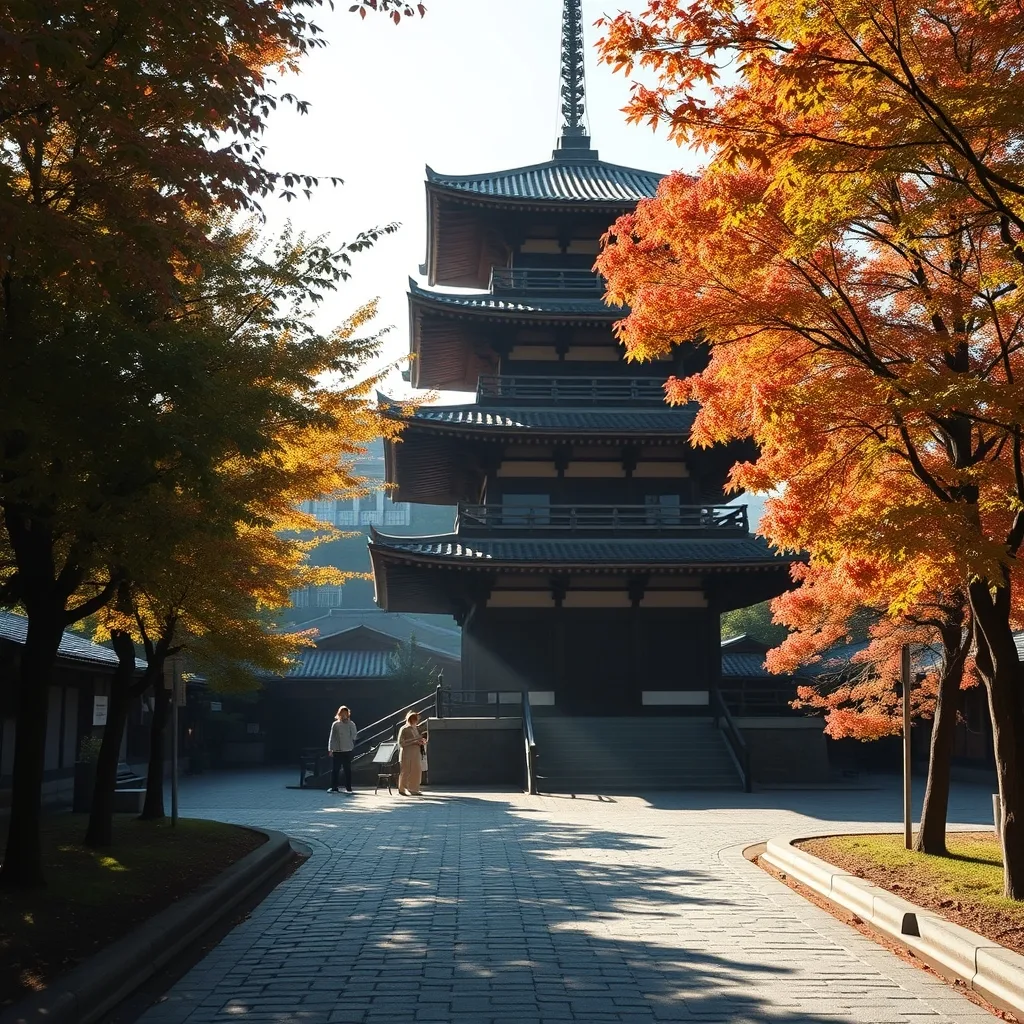
The Experience: Children will be fascinated by the giant red lanterns, fragrant incense burner (Jokoro), and the towering five-story pagoda. Courtyards around the main hall are flat and stroller-friendly. Pick up warm ningyo-yaki (small sponge cakes shaped like lanterns and doves with sweet red bean filling) for a quick kid snack.
Midday: Sumida River Cruise to Tokyo Bay
Skip the underground subway and take the scenic water route instead. Walk 5 minutes from Senso-ji to Asakusa Pier and board the Tokyo Water Bus down the Sumida River toward Tokyo Bay.
The Boat: Choose the futuristic Himiko or Hotaluna sightseeing cruiser designed by anime icon Leiji Matsumoto. Its spaceship-like glass canopy offers panoramic views of Tokyo Skytree, Asahi Beer Hall, and the modern Rainbow Bridge.
Fares: Asakusa to Odaiba Seaside Park costs ≈¥1,720–¥2,160 for adults and ≈¥860–¥1,080 for elementary children (preschoolers free).
Afternoon: Immersive Art at teamLab Planets TOKYO
From Odaiba or Toyosu, head to teamLab Planets TOKYO in Toyosu for one of Japan's most memorable sensory exhibits.
Operator Details: Tickets must be purchased online in advance with date- and time-specific entry slots. Dynamic adult tickets start from ≈¥3,600 (≈₹2,160); junior high / senior high students (13–17) are ¥2,800 (≈₹1,680); children aged 4–12 are ¥1,500 (≈₹900); toddlers aged 3 and younger enter free.
Crucial Toddler Note: This is an interactive walk-through museum where visitors wade barefoot through warm water rooms filled with projected koi fish and wander through mirrored crystal light chambers. Dress children in shorts or pants that can be rolled up past their knees. Free lockers are provided at the entrance to store shoes, socks, and strollers.
Evening: Dinner at Vegan Ramen UZU Tokyo
Located right in the outdoor plaza of teamLab Planets, Vegan Ramen UZU Tokyo serves delicious plant-based soy sauce and miso ramen crafted without any meat, seafood, or fish dashi. Eating noodles surrounded by digital calligraphic art installations makes dinner exciting for older children and stress-free for vegetarian parents.
Day 3: Ueno Wildlife, Dinosaur Fossils & Odaiba Waterfront
Day 3 offers an ideal balance of interactive natural sciences, open parkland, and indoor creative play.
Morning: Pandas and Play at Ueno Zoo
Head to Ueno Park to explore Japan's oldest zoological garden, founded in 1882.
Operator Details: Ueno Zoo operates 09:30–17:00 (admission until 16:00; closed Mondays). General admission is ¥600 (≈₹360) for adults (ages 16–64), ¥200 (≈₹120) for junior high students, and elementary school children (ages 12 and under) enter completely free!
Highlights: Visit the modern Panda Forest to see giant pandas up close, followed by the Children's Zoo Step area featuring gentle domestic animals, petting demonstrations, and quiet stroller rest benches.
Midday: National Museum of Nature and Science (Kahaku)
Just a five-minute walk across Ueno Park sits the National Museum of Nature and Science.
Admission: Adults ¥630 (≈₹380); high school students and children 17 and under are free!
Exhibits: The Global Gallery houses towering, full-scale dinosaur fossil skeletons (including a fearsome Tyrannosaurus Rex and Triceratops), interactive physics play stations, and Theater 360—a 360-degree spherical movie theater where viewers feel like they are floating through prehistoric ocean depths.
Afternoon: LEGOLAND Discovery Center Tokyo
Board the driverless Yurikamome elevated train across the Rainbow Bridge to Odaiba and enter LEGOLAND Discovery Center Tokyo inside DECKS Tokyo Beach.
Requirements & Booking: Adults must be accompanied by at least one child aged 15 or under, and tickets must be reserved online. Standard tickets start from ≈¥2,250–¥2,800 (≈₹1,350–₹1,680) per person.
Activities: Features interactive laser ride adventures, 4D cinema with water and wind effects, hands-on LEGO building masterclasses, and Miniland—a glowing miniature Tokyo built from over 1.5 million LEGO bricks.
Evening: Gundam Statue & Seaside Breezes
Step outside DECKS to Odaiba Seaside Park. Watch the towering 19.7-meter Life-Sized Unicorn Gundam statue at DiverCity Tokyo Plaza perform its evening transformation light show, then relax with dinner overlooking Tokyo Bay at nearby family-friendly Indian restaurants such as Nataraj (Odaiba branch) or seaside Italian trattorias offering vegetarian margherita pizzas.
Day 4: Magical Day at Tokyo Disneyland
A family trip to Tokyo is incomplete without experiencing the unmatched customer service, spotless cleanliness, and whimsical parades of Tokyo Disney Resort in Maihama.
Choosing Your Park: Disneyland vs. DisneySea with Kids
While Tokyo DisneySea is celebrated for its stunning architectural harbor theming and thrilling volcano rides, Tokyo Disneyland is hands-down the superior park for families with toddlers and children under 9 years old.
Why Disneyland Wins for Families: Disneyland houses classic Fantasyland rides with minimal height restrictions (Pooh's Hunny Hunt, Peter Pan's Flight, It's a Small World, and Dumbo the Flying Elephant). Toontown allows toddlers to run inside Mickey and Minnie's colorful houses. The terrain is flat with wide stroller avenues, making parade viewing relaxed.
DisneySea Considerations: DisneySea involves extensive staircases, bridges, and steeper slopes between ports of call, which can test tired little legs. If your children are over 10 or obsessed with Frozen and Tangled, consider DisneySea's Fantasy Springs area instead.
Ticket Booking Logistics
Official App Booking: All tickets are date-specific 1-Day Passports that must be purchased in advance via the official Tokyo Disney Resort App or website (tickets open for sale roughly two months in advance).
Pricing Bands: Tokyo Disney uses variable pricing: Adults (18+) range from ≈¥7,900–¥10,900 (≈₹4,740–₹6,540); Junior (12–17) ≈¥6,600–¥9,000 (≈₹3,960–₹5,400); Children (4–11) ≈¥4,700–¥5,600 (≈₹2,820–₹3,360); children aged 3 and younger enter free!
Midweek Strategy: Plan your Disney day on a Wednesday or Thursday. Avoid Japanese public holidays, Golden Week (late April to early May), and domestic school vacations to keep queue times under 45 minutes.
Vegetarian Dining and Kid Fuel Inside the Park
Outside food is generally restricted at security gates, but Disney staff gladly allow baby formula, pureed pouches, and allergen-sensitive meals for infants. Inside Tokyo Disneyland:
Pick up souvenir character popcorn buckets; kids love snacking between rides (try salt or caramel flavors).
For a sit-down meal, visit Eastside Cafe in World Bazaar (which offers dedicated vegetarian pasta sets) or Queen of Hearts Banquet Hall in Fantasyland for whimsical themed salads, roasted vegetables, and kid dessert plates.
Day 5: Coastal Kamakura Day Trip & Farewell Shibuya Skyline
On your final full day, escape the high-rise metropolis for fresh sea breezes and towering historic monuments, before wrapping up with Tokyo's most iconic modern skyline.
Morning & Afternoon: Day Trip to Kamakura
Board the JR Yokosuka Line from Tokyo Station or Shinagawa; in just 55 minutes, you arrive at the ancient coastal capital of Kamakura. For the complete hour-by-hour route, follow our dedicated Kamakura day trip guide from Tokyo.
The Great Buddha of Kamakura (Kotoku-in): Walk 7 minutes from Hase Station to see the colossal 11.3-meter bronze Buddha seated beneath the open sky. Entry is ¥300 (≈₹180) for adults and ¥150 for elementary kids. Children can even step inside the hollow bronze interior for a tiny ¥50 coin!
Beach Play at Yuigahama: Walk 10 minutes south to Yuigahama Beach. Let children dip their feet in the gentle Pacific waves, collect seashells, and watch local surfers before catching the train back to Tokyo.
Tip (Swap Day Options): If your family prefers mountain hot springs, cedar forest shrines, or volcanic views over coastal beaches, swap Day 5 for our Hakone day trip loop, the historic Nikko UNESCO family day trip, or a Mount Fuji lake day trip.
Late Afternoon: 360-Degree Views at Shibuya Sky
Return to central Tokyo and take the high-speed elevator to the open-air rooftop observation deck of Shibuya Sky atop Shibuya Scramble Square.
Watch the famous Shibuya Crossing pulse with pedestrian waves from 229 meters above.
Advance online booking is mandatory for sunset slots; the open turf and cloud hammocks on the roof give children a safe, magical space to view the endless Tokyo cityscape.
Farewell Family Dinner: Indian Comfort Food in Shibuya
Celebrate the conclusion of your Tokyo journey with a comforting family feast. Head to Moti Indian Restaurant or Milan Indian Restaurant in Shibuya for freshly baked butter naans, aromatic paneer makhani, and mild yellow dal tadka that satisfy both tired kids and nostalgic parents.
Toddler vs. School-Age Pacing: How to Adapt Your Plan
Different age groups experience Tokyo in completely different ways. Here is how to fine-tune your daily rhythm:
Traveling with Toddlers and Preschoolers (Ages 1–4)
Cap at One Major Sights Per Day: Do not schedule both a museum and a shrine on the same afternoon. Choose one anchor activity in the morning, have an unhurried lunch, and return to your hotel room for an afternoon nap.
Carry a Compact Carrier: Even with an elevator-friendly stroller, temple gravel courtyards and narrow station passages can be tricky. An ergonomic baby carrier (such as an Ergobaby) is invaluable.
Department Store Baby Lounges: Japanese department stores (such as Isetan Shinjuku or Mitsukoshi Ginza) have pristine baby care rooms (Aka-chan Kyukeishitsu) equipped with hot water dispensers (70°C for baby formula), private nursing cubicles, microwave heaters, and diaper changing stations.
Traveling with School-Age Kids and Tweens (Ages 5–12)
Get Them Their Own IC Card: Visit any JR East Travel Service Center to issue a personalized Child Welcome Suica or Child Pasmo card (bring their passport to verify birth date). Children love tapping their own cards at automated ticket gates.
Incorporate Interactive Pop Culture: Add a morning stop at Akihabara to browse retro gaming arcades and capsule toy machines (Gashapon), or book a ticket to the Pokémon Center Mega Tokyo and Pikachu Sweets cafe in Ikebukuro.
Tokyo Train Fares and Metro Passes for Children
Navigating Tokyo's rail network is delightfully cost-effective for families because public transit operators offer generous age exemptions:
Under 1 Year Old (Infants): Ride completely free on all trains, subways, and buses.
Ages 1–5 (Preschool / Toddlers): Up to two preschool children ride free of charge when accompanied by a paying adult ticket holder. A third preschool child requires a child fare ticket.
Ages 6–11 (Elementary School): Pay half the regular adult fare (rounded up to the nearest 10 yen).
Ages 12 and Above (Junior High+): Pay standard adult fares.
The Tokyo Subway Ticket (24h / 48h / 72h Pass)
For visitors, the tourist-exclusive Tokyo Subway Ticket (covering all 13 lines of both Tokyo Metro and Toei Subway) represents tremendous value:
24-Hour Pass: Adult ¥800 (≈₹480) / Child (6–11) ¥400 (≈₹240)
48-Hour Pass: Adult ¥1,200 (≈₹720) / Child (6–11) ¥600 (≈₹360)
72-Hour Pass: Adult ¥1,500 (≈₹900) / Child (6–11) ¥750 (≈₹450)
You can purchase these passes at airport transit counters or via smartphone ticket vouchers. Download our recommended navigation apps outlined in our Japan travel apps guide to easily map out wheelchair- and stroller-accessible station exits.
Vegetarian and Kid-Friendly Food Survival Guide
Eating pure vegetarian (shakahari) food in Japan can feel daunting due to the widespread use of fish stock (dashi), but Tokyo provides outstanding dining alternatives if you know where to look.
Dedicated Pure Vegetarian and Indian Dining
Explore our dedicated Tokyo vegetarian guide for Indian travelers for full neighborhood listings. Verified family favorites include:
Ain Soph. Journey (Shinjuku): Gourmet vegan burgers, matcha pancakes, tomato pasta.
Nataraj (Ginza & Harajuku): 100% vegetarian Indian restaurant serving organic farm curries, vegan naans, and paneer dishes.
Vegan Ramen UZU (Toyosu): Authentic ramen broths made strictly from kombu kelp, shiitake mushrooms, and roasted vegetables.
Govinda's (Edogawa / Rinkai): Pure vegetarian Indian cuisine certified by the local community.
Emergency Konbini Snacks for Hungry Kids
When sightseeing between meals, Japanese convenience stores (7-Eleven, Lawson, and FamilyMart) are your best friend:
Shio-Musubi (Salted Rice Balls): Plain steamed Japanese short-grain rice seasoned only with salt. They contain zero fish flakes, meat, or broth—pure, comforting carbohydrates that toddlers happily nibble on.
Fresh Fruit Packs: Ready-peeled bananas, sliced apples, and sweet cherry tomatoes.
Dairy & Drinks: Organic Meiji whole milk cartons, drinkable yogurts, and yakult.
Edamame Packs: Lightly salted steamed soybeans in the pod, providing quick plant protein on the go.
Estimated 5-Day Tokyo Budget for a Family of Four
Here is a realistic on-ground budget for an Indian family of four (two adults and two children aged 4 and 8) over 5 days in Tokyo:
Expense Category | Approx. Cost (JPY) | Approx. Cost (INR) | Family Planning Details |
|---|---|---|---|
Accommodation (4 Nights) | ¥60,000–¥110,000 | ₹36,000–₹66,000 | Business twin (Toyoko Inn) vs 4-bed family suite (Mimaru) |
Local Transport & Day Trips | ¥14,000–¥22,000 | ₹8,400–₹13,200 | Tokyo Subway 72h passes + IC cards + Kamakura trains |
Meals & Kid Snacks (5 Days) | ¥50,000–¥80,000 | ₹30,000–₹48,000 | Konbini breakfasts, sit-down Indian dinners, veg ramen |
Attractions & Disney Passes | ¥32,000–¥46,000 | ₹19,200–₹27,600 | Tokyo Disneyland 1-Day Passports, teamLab Planets, Ueno Zoo |
Estimated Total On-Ground | ¥156,000–¥258,000 | ₹93,600–₹154,800 | Approx. ₹18,700–₹31,000 per family per day |
(Note: Budget estimates exclude international return flights from Indian metros such as Delhi or Mumbai and discretionary souvenir shopping. Rates calculated at ¥1 ≈ ₹0.60.)
Exporting Your Itinerary for the Japan Visa Application
Every Indian citizen applying for a Japanese tourist visa must submit the official Schedule of Stay (滞在予定表) form with their application dossier at VFS Global. Consular officers look for three key elements:
Exact travel dates matching your flight bookings.
Verified accommodation names, addresses, and working contact telephone numbers.
Realistic, daily activity routes showing logical transit progression without erratic jumping across the country.
This 5-day Tokyo plan maps 1:1 into the required consular format. For complete document formatting rules and downloadable templates, review our Japan visa itinerary sample guide.
If you are planning a broader journey connecting Tokyo with Kansai, explore our multi-city routes including our 7-day Japan family itinerary, our 10-day family Japan route, our 14-day family vacation route, and our Osaka itinerary with kids and Universal Studios Japan.
Frequently Asked Questions (FAQ)
Is 5 days in Tokyo enough for a family with young kids?
Yes. Five days provides the perfect duration to explore Tokyo's top cultural shrines, experience interactive exhibits like teamLab Planets, spend one full day at Tokyo Disneyland, and take a gentle coastal excursion to Kamakura without exhausting young children.
Can I take a stroller on Tokyo trains during rush hour?
While strollers are permitted on all Japanese trains, bringing an unfolded stroller onto crowded metro lines during weekday morning rush hours (07:30–09:00) is stressful and difficult. Plan your morning departures after 09:00, or fold your stroller and carry your toddler in an ergonomic carrier when trains are crowded.
Are baby diapers and baby wipes easy to buy in Tokyo?
Yes. Japanese pharmacies (Matsumoto Kiyoshi, Welcia, Sundrug) and convenience stores stock premium diaper brands such as Merries, Moony, and Pampers. Major electronics department stores like Yodobashi Camera and Bic Camera also feature extensive baby care floors.
Is teamLab Planets suitable for a 3-year-old child?
Yes, toddlers love the tactile and visual wonder of teamLab Planets. However, because one water exhibit reaches knee-depth for adults (and thigh-depth for toddlers), parents should hold young toddlers through deeper sections or use the provided bypass routes.
What is the best month to do this 5-day Tokyo family trip?
Spring (mid-March to May) and autumn (October to late November) provide the most pleasant weather with mild temperatures and minimal rainfall. Avoid mid-summer (July and August), when Tokyo experiences intense heat and humidity that can lead to quick meltdowns in young children.
Build Your Custom 5-Day Tokyo Family Itinerary
You can view, customize, and remix our complete, verified 5-day Tokyo family itinerary with kids, featuring geocoded station stops, interactive walking routes, and built-in rest buffers.
Ready to turn this blueprint into your confirmed family travel plan? Use NextDestination.ai to build your custom Tokyo travel itinerary, adjust your daily pacing for toddlers or tweens, and export a polished, visa-ready PDF document for your family's Japan visa application in seconds.